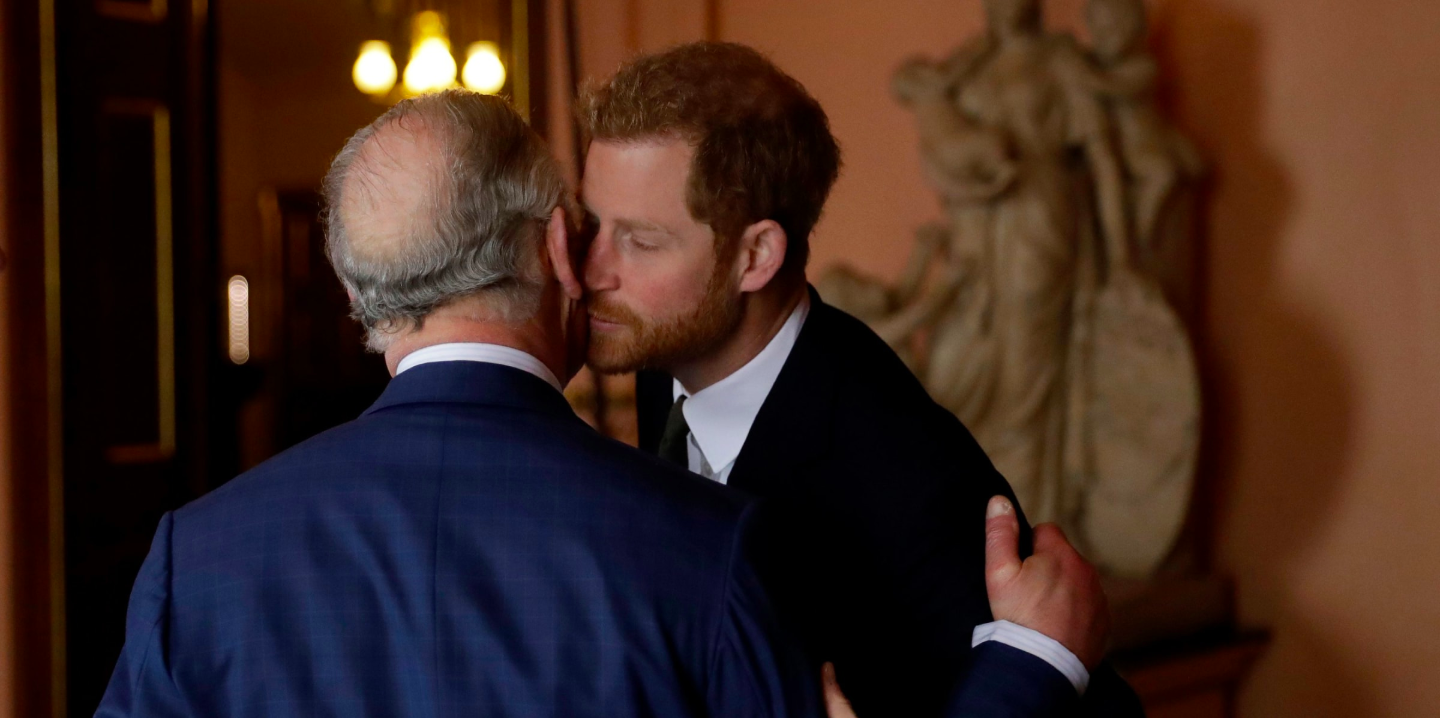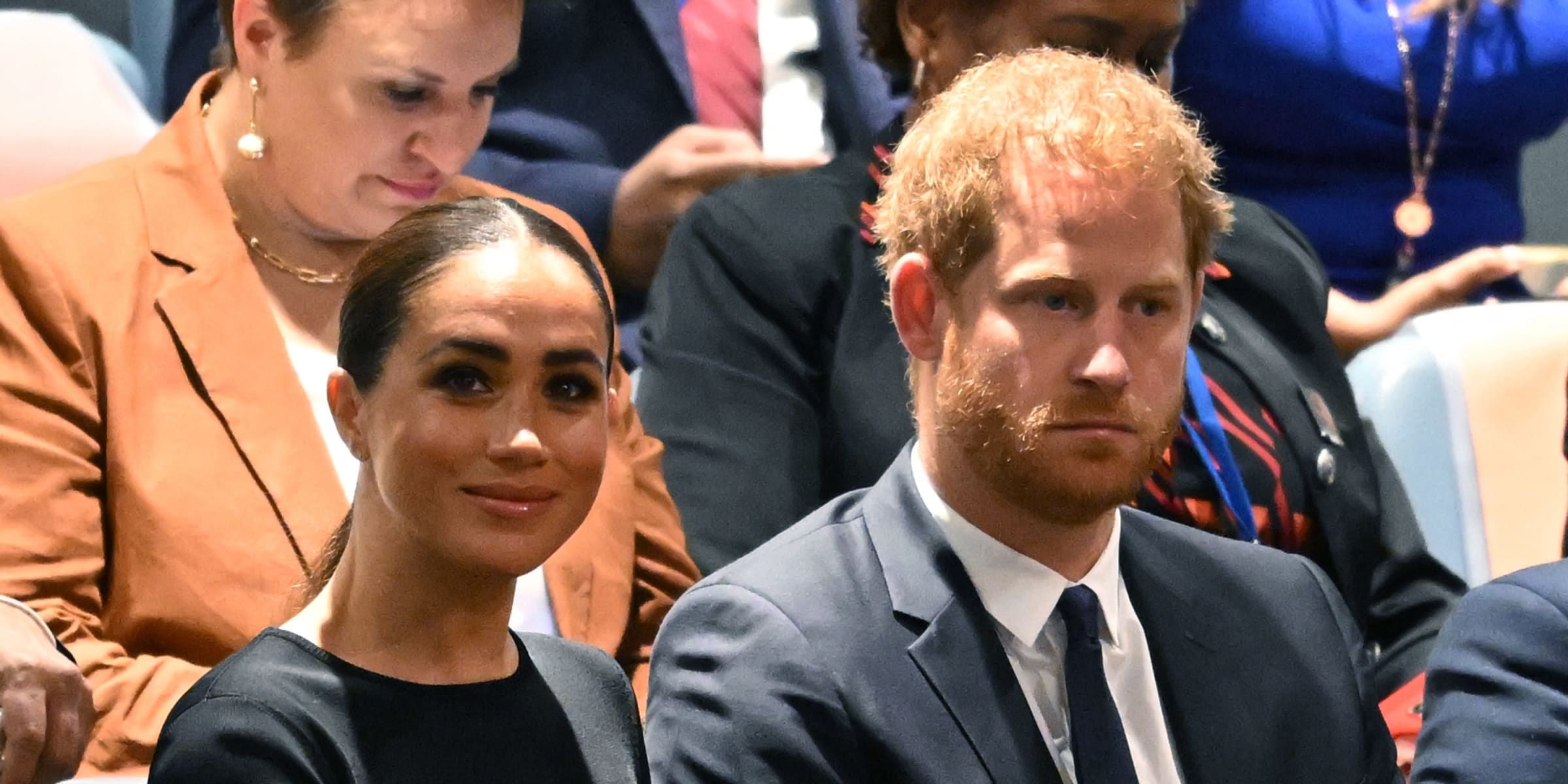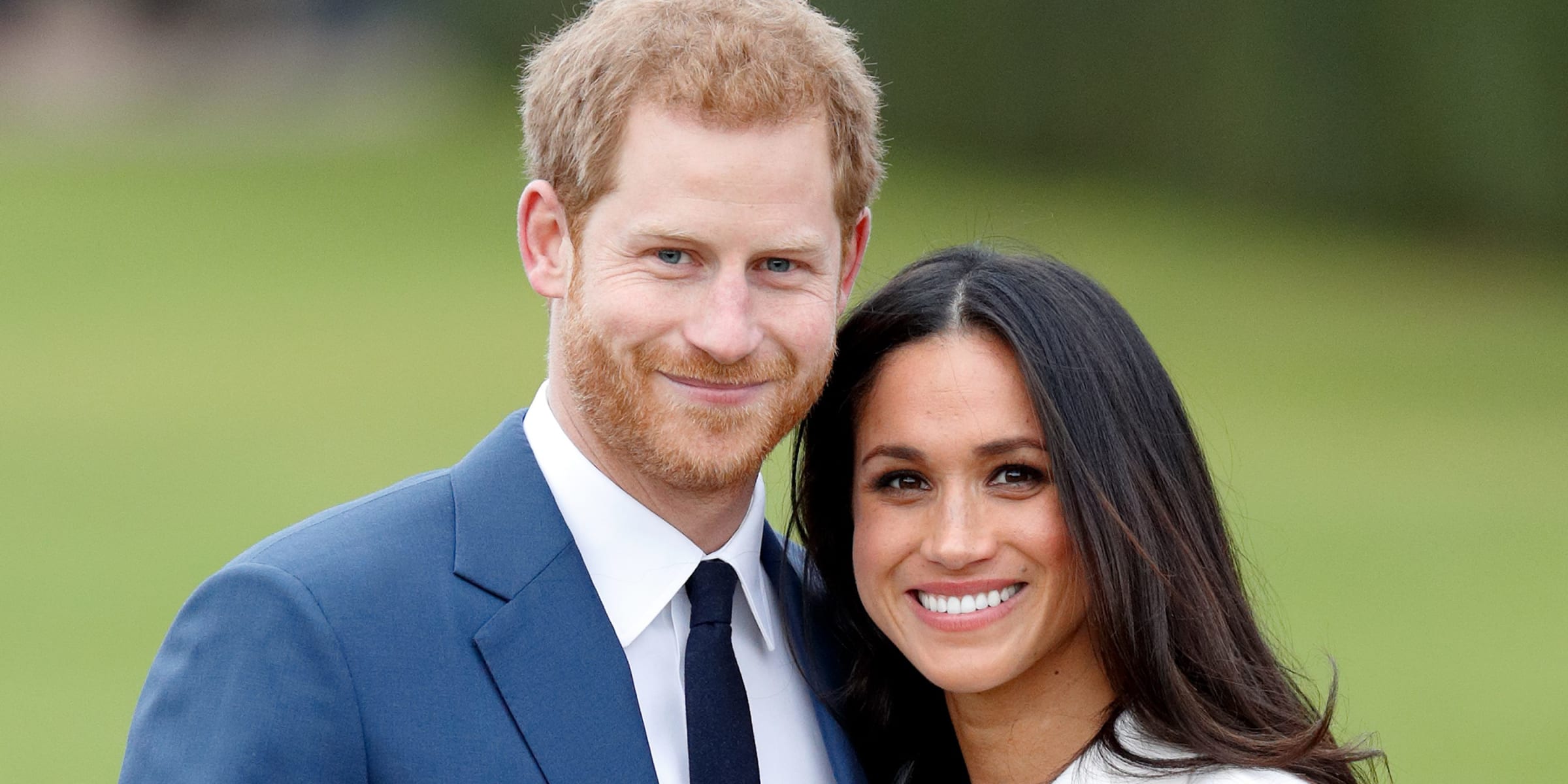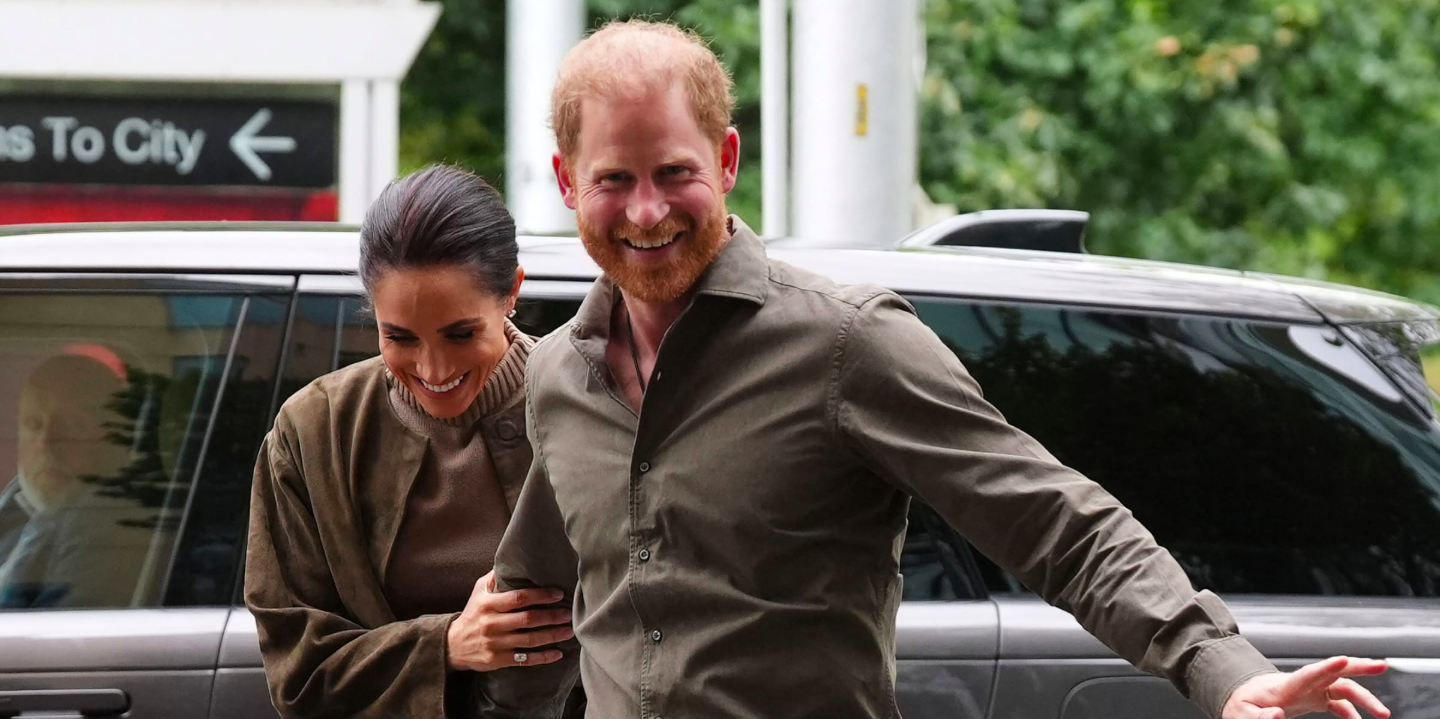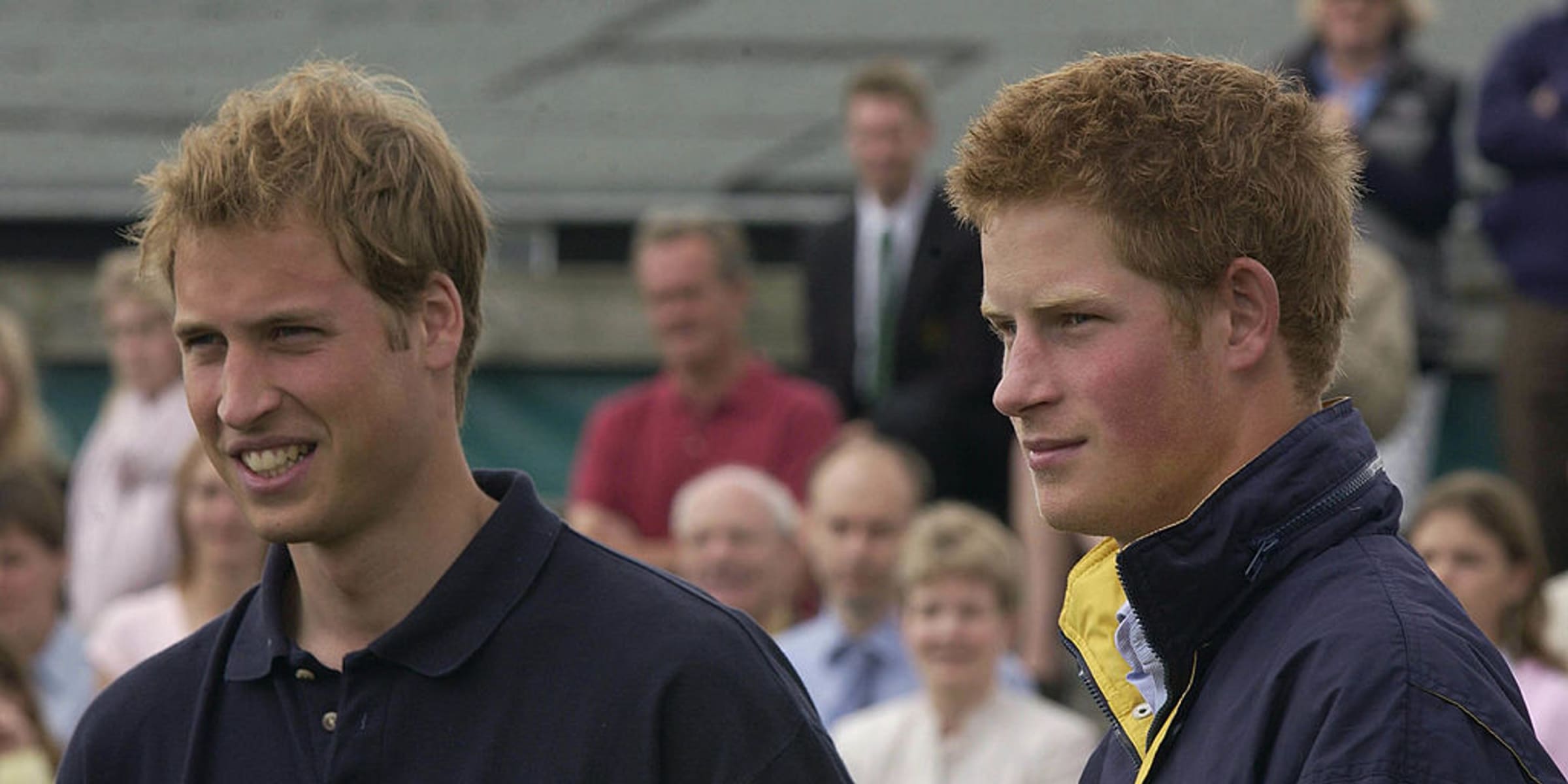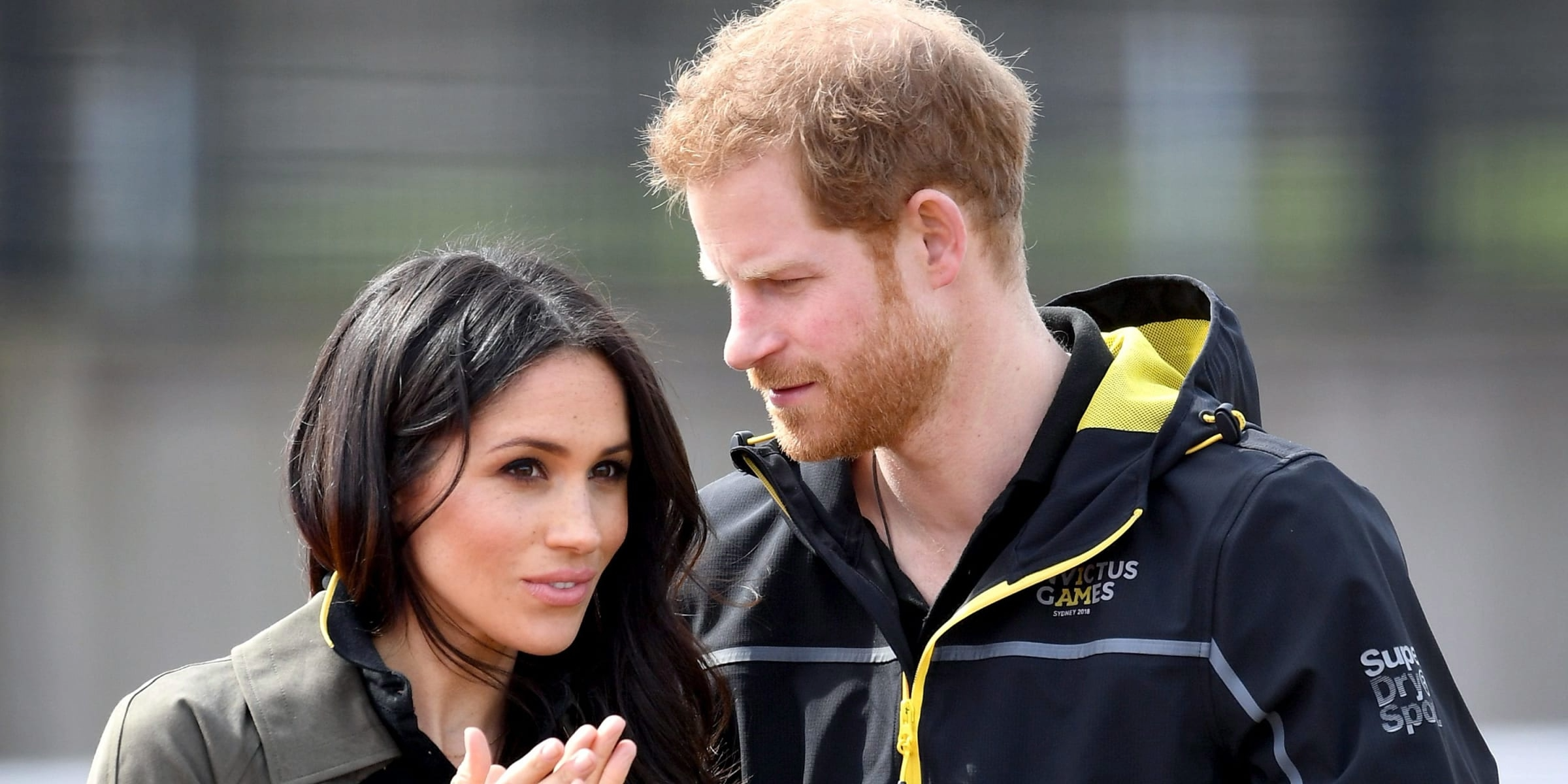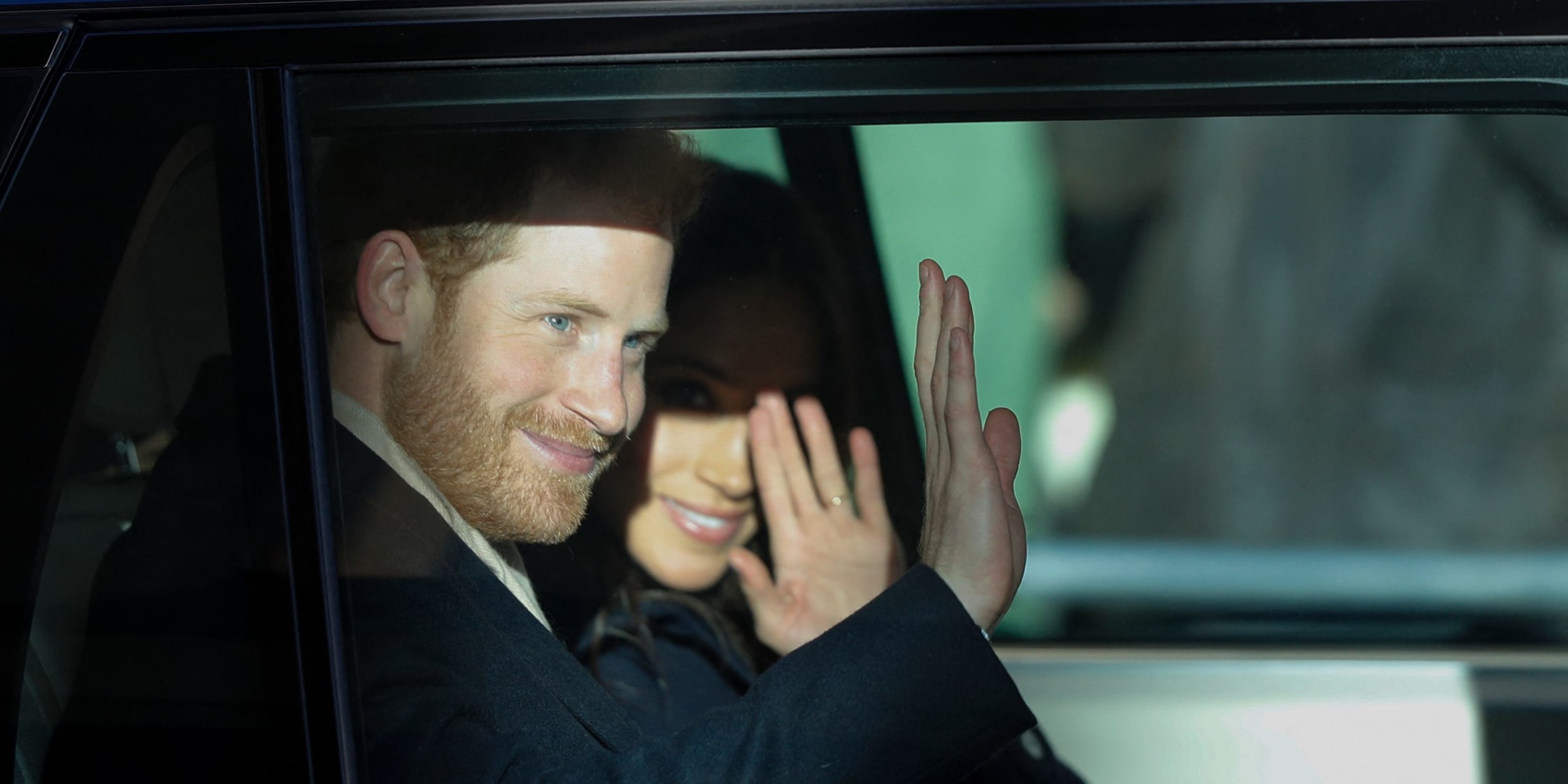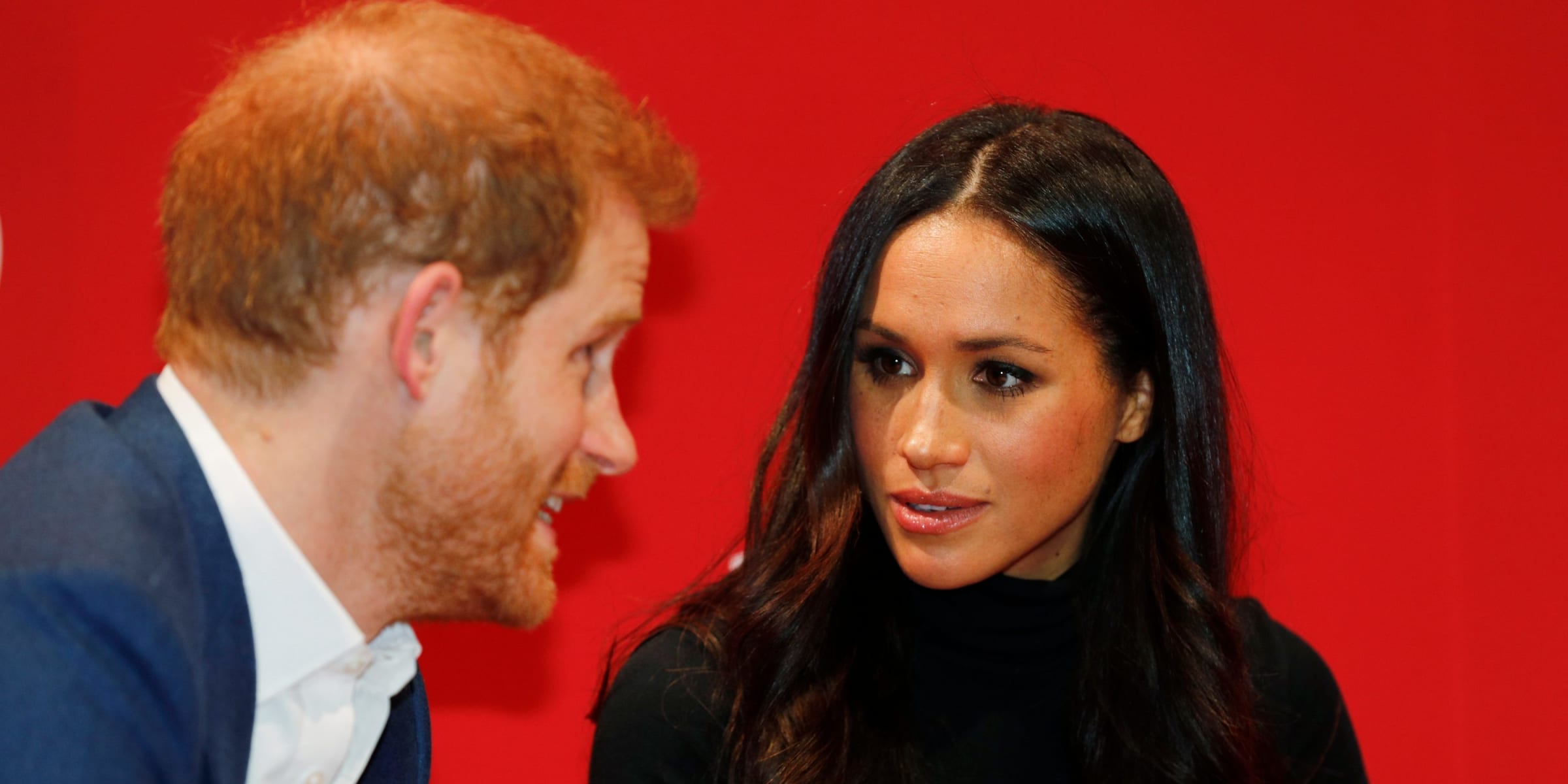

Prince Harry and Meghan Markle | Source: Getty Images
Harry and Meghan’s UK Return Reopens a Palace Dispute — All Because of One Phrase

By
Paula Moskal
Sep 10, 2026 - 01:03 P.M.
Harry and Meghan have barely settled back into life in Britain, and the Palace has already felt the need to clear something up. Their royal status hasn’t changed — but one small detail in the clarification reportedly became a point of dispute.
Advertisement
Their Return Put an Old Royal Question Back on the Table
Six years after leaving the UK for the United States, Prince Harry and Meghan Markle have returned to Britain with Archie and Lilibet. Their move naturally raised questions about what their place in the royal picture would look like now.
The answer from the Palace was clear: their royal status remains unchanged. They are back in the country, but they are not back as working royals.

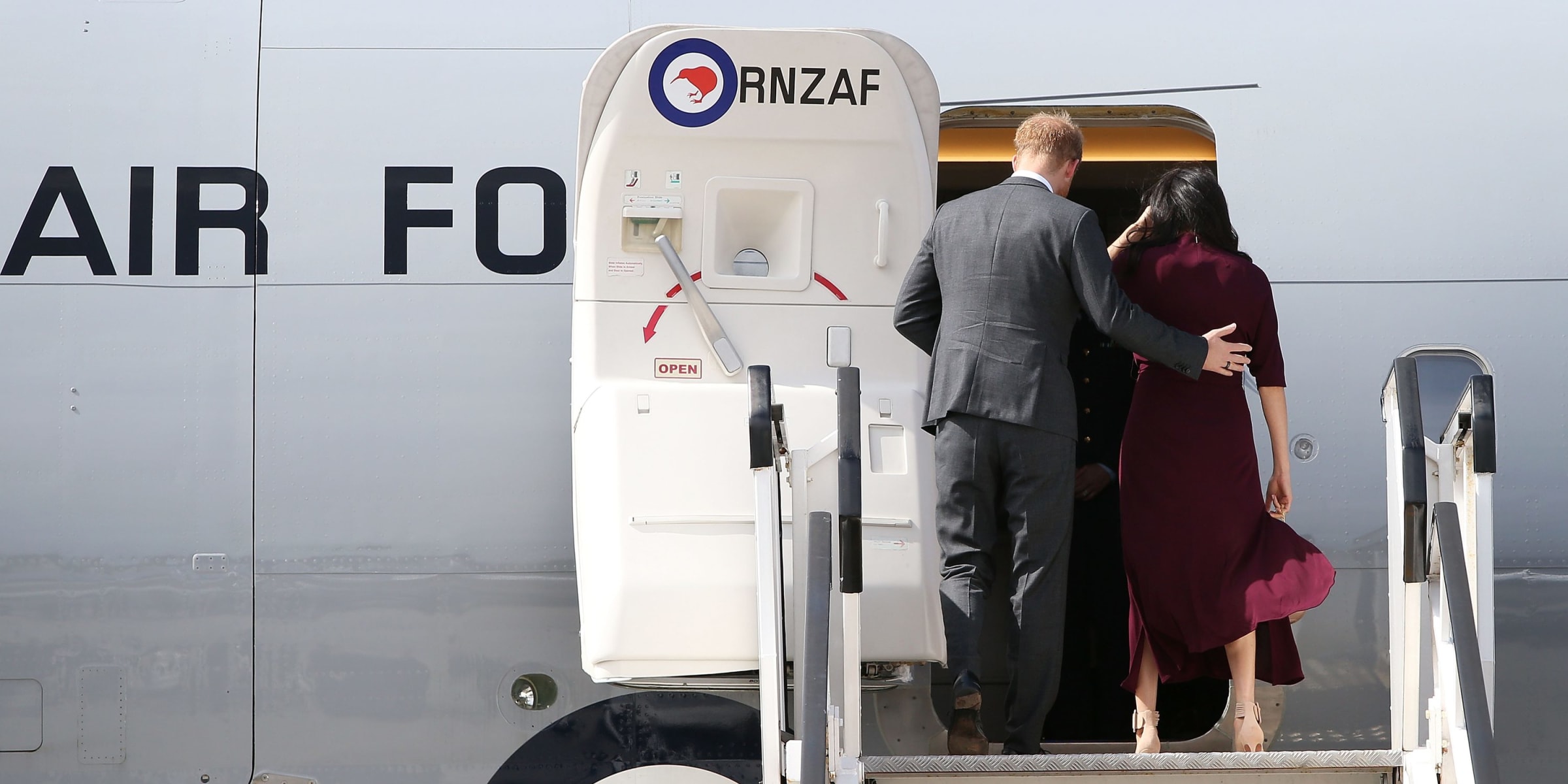
Prince Harry and Meghan Markle stepped back as senior working royals in 2020. Although they retained their Duke and Duchess of Sussex titles, they no longer carry out official engagements on behalf of the monarch. | Source: Getty Images
King Charles authorized guidance for senior officials to make sure Harry and Meghan’s public appearances were not mistaken for official royal duties. That distinction matters more now that the couple are expected to be seen more often at charity events and through their own projects in Britain.The couple still use their Duke and Duchess of Sussex titles, so the difference may not always be obvious from the outside. They remain members of the Royal Family, but they do not work on its behalf.
Advertisement

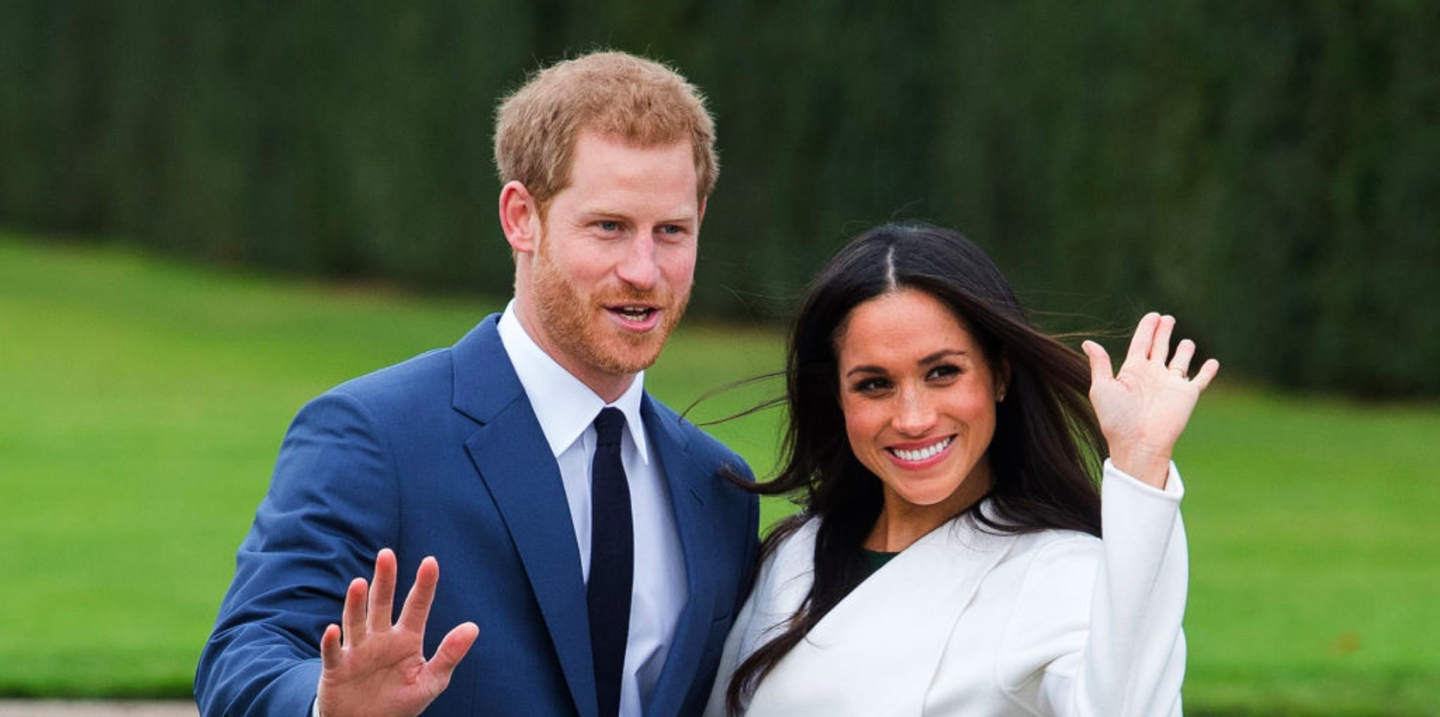
The King’s intervention was less about changing Harry and Meghan’s status than about preventing their future appearances in Britain from being treated as official royal engagements. | Source: Getty Images
That arrangement dates back to 2020, when Harry and Meghan stepped away from official duties and the “half-in, half-out” model was taken off the table. The original Buckingham Palace statement confirmed that they would no longer carry out official duties or receive public funding for them.
Queen Elizabeth still described Harry, Meghan and Archie as “much loved members of my family.” The family connection remained, but the official role did not.

Before stepping back in 2020, Harry and Meghan carried out official engagements as senior working members of the Royal Family. | Source: Getty Images
Advertisement
Their return to Britain has simply brought that distinction back into focus. Harry and Meghan can attend events, support causes and develop their own projects, but those appearances are not automatically royal engagements.
That is why the guidance sent to senior officials stressed that their activities remain separate from official royal work. The King’s letter stated: “There is no change to the current status of the Duke and Duchess of Sussex.”
There has also been concern about the appearance of a “parallel royal court” alongside the working Royal Family. Harry and Meghan have not announced anything like that, but the Palace appears keen to avoid that kind of confusion as they become more visible in Britain.

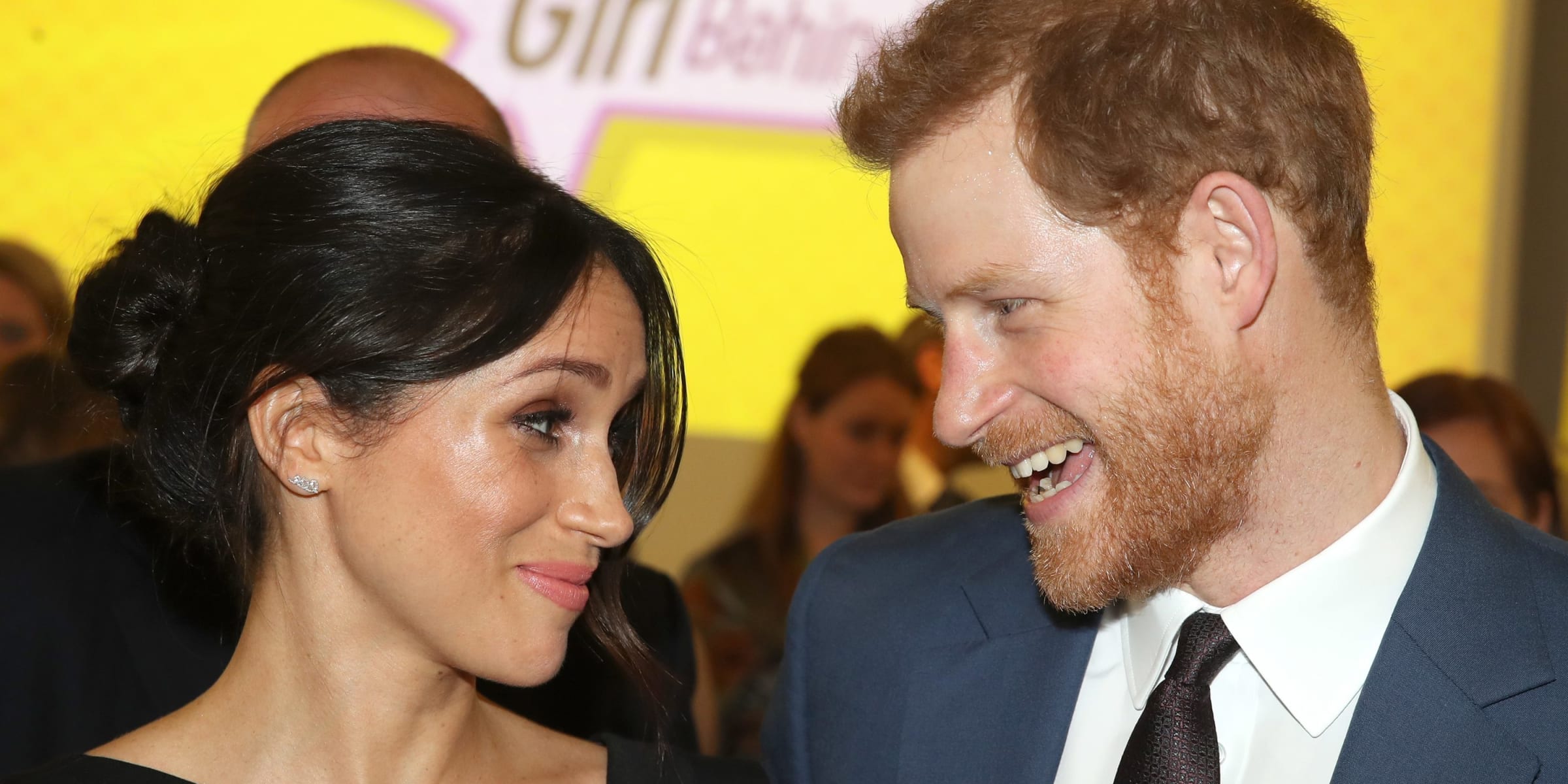
Harry and Meghan can still draw the kind of public and media attention associated with senior royals, even when appearing in a personal capacity. Their visibility has remained high despite their formal separation from official royal duties. | Sources: Getty Imeges
Advertisement
The message was therefore fairly simple: Harry and Meghan can remain highly visible and pursue their own work, but they do so independently from the Crown. That should have settled the question — until one part of the letter reportedly created a very different disagreement.
Then the Letter Created Another Problem
The first issue appeared to be the timing. Harry and Meghan were reportedly unhappy that they had not been given more notice before the clarification became public.
Their spokesman said: “We were a little surprised not to have been told about this [the letter] in advance.” The Palace position was that the couple had been informed before publication.

The dispute also highlighted the sensitivity around Palace communication with the Sussexes. Even when the substance of a message is unchanged, the timing and way it is shared can become a separate point of tension. | Source: Getty Images
Advertisement
That could easily have remained a minor disagreement about communication. There was no new ban, no change to their titles and no suggestion that their return to Britain itself was being challenged.
But once attention turned to the wording of the letter, another detail stood out. The issue was no longer simply what Harry and Meghan could or could not do — it was how their position was being described.
One Small Phrase Became the Main Issue
Charles’s letter described the couple’s position in very specific terms. “In short, their position is akin to private citizens with commercial and charitable interests,” the letter stated.
From the Palace point of view, the wording is practical. Harry and Meghan do not represent the King, and their professional and charitable work is separate from the monarchy.

Before their departure from official duties, Harry and Meghan even had a dedicated Household Office based at Buckingham Palace, with their own communications staff. Their current position is very different: they retain the Sussex titles, but no longer have that institutional machinery behind their public work. | Source; Getty Images
Advertisement
But the Sussexes reportedly prefer a different description. They would rather be referred to as “public figures”.
The difference may seem tiny, but it changes the emphasis. “Private citizens” focuses on their official distance from the monarchy, while “public figures” reflects the fact that Harry and Meghan remain extremely well known and continue to have very visible careers.
They have charitable projects, media work, interviews and high-profile appearances. So while they are private in the sense that they no longer work for the Crown, very little about their public profile could reasonably be described as private.

Harry and Meghan have built a public profile outside the monarchy through media projects, charitable initiatives and their own organizations, allowing them to remain internationally prominent without holding official royal roles. | Source: Getty images
Their titles make that position even more unusual. Harry is still the Duke of Sussex and the King’s son, while Meghan remains the Duchess of Sussex, so even work that has nothing to do with the Palace still carries an obvious royal connection.
Advertisement
That is something most people leaving a job never have to think about. Harry and Meghan left their working roles, but their names, titles, and family connections continue to follow them into every new project.
The Palace is therefore describing their formal status, while Harry and Meghan reportedly prefer language that reflects how visible they remain. They can be private citizens in an official sense and public figures in almost every practical sense at the same time.
That helps explain why two ordinary-sounding phrases became so important. For Harry and Meghan, “private citizens” may sound more removed from public life than the reality they have built since leaving the monarchy.
Fans Immediately Spotted the Irony
The reaction online was immediate — and mostly unforgiving. Many people treated the disagreement as unnecessary drama, especially because the difference between “private citizens” and “public figures” seemed so small compared with the much bigger tensions that have surrounded the couple and the Royal Family.
Social media quickly filled with blunt reactions like “Already starting drama.” and “And so it begins! 🙄”
Advertisement


A lot of the reaction came from one obvious contradiction. Harry and Meghan have been strongly associated with conversations about privacy since leaving royal duties, so some people found it difficult to understand why they would now care so much about a description that emphasizes their private status. For critics, the contrast was particularly easy to notice because Harry and Meghan have hardly disappeared from public view since moving to America. Their interviews, media projects, charity initiatives and other appearances have kept them firmly in the international spotlight.
Advertisement
That irony came up repeatedly in the comments, including: “The two that wanted privacy want to be known as public figures? Makes perfect sense 🙄👎”

That does not mean wanting privacy and being a public figure are mutually exclusive. Harry and Meghan can want boundaries around their family and children while still choosing to have careers that involve interviews, events and public campaigns.
But that distinction did little to soften the reaction. For many people, the idea that a couple so closely associated with wanting privacy would reportedly prefer to be called “public figures” simply sounded ironic. Others took it as a sign that Harry and Meghan remain very conscious of how their position is presented. They may have stepped away from the duties of being senior royals, but they have clearly not stepped away from having a public identity of their own.
Advertisement
The criticism also extended to the fact that the wording had become an issue at all, with comments such as: “They have a problem with the wording? After writing a book burning them, countless interviews defacing the family. And they have a problem with the wording?”

That is perhaps why this particular detail attracted more attention than the rest of the Palace guidance. Two simple phrases brought an old question about Harry and Meghan back to the surface: how private did they ever want their new lives to be?
This Is a Battle Over Where the Boundary Sits
While Harry and Meghan were living in California, the separation between their lives and the working Royal Family was easier to see. Now they are back in the same country as Charles, William and other senior royals, that line may need to be explained more often.
Advertisement
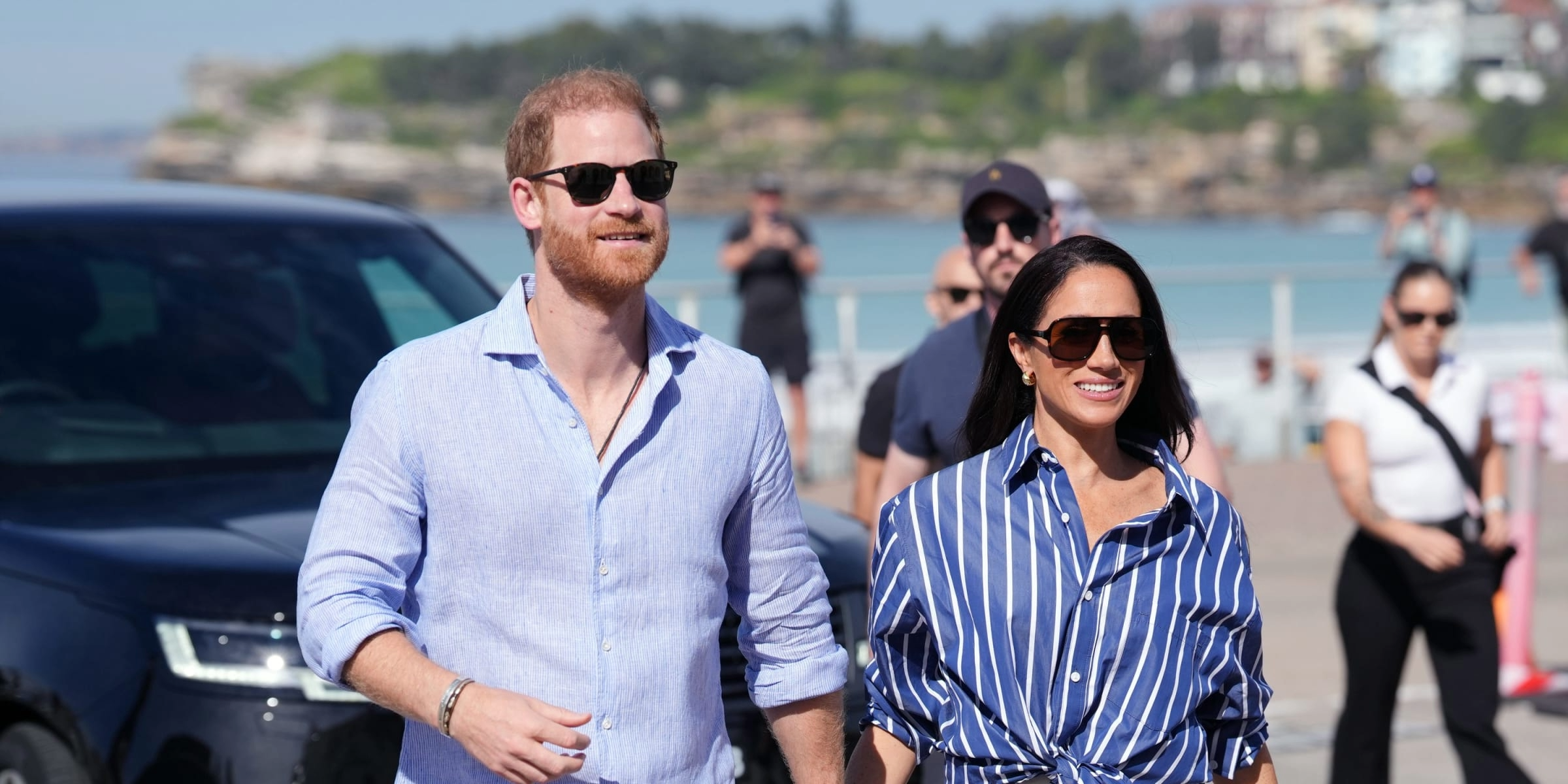
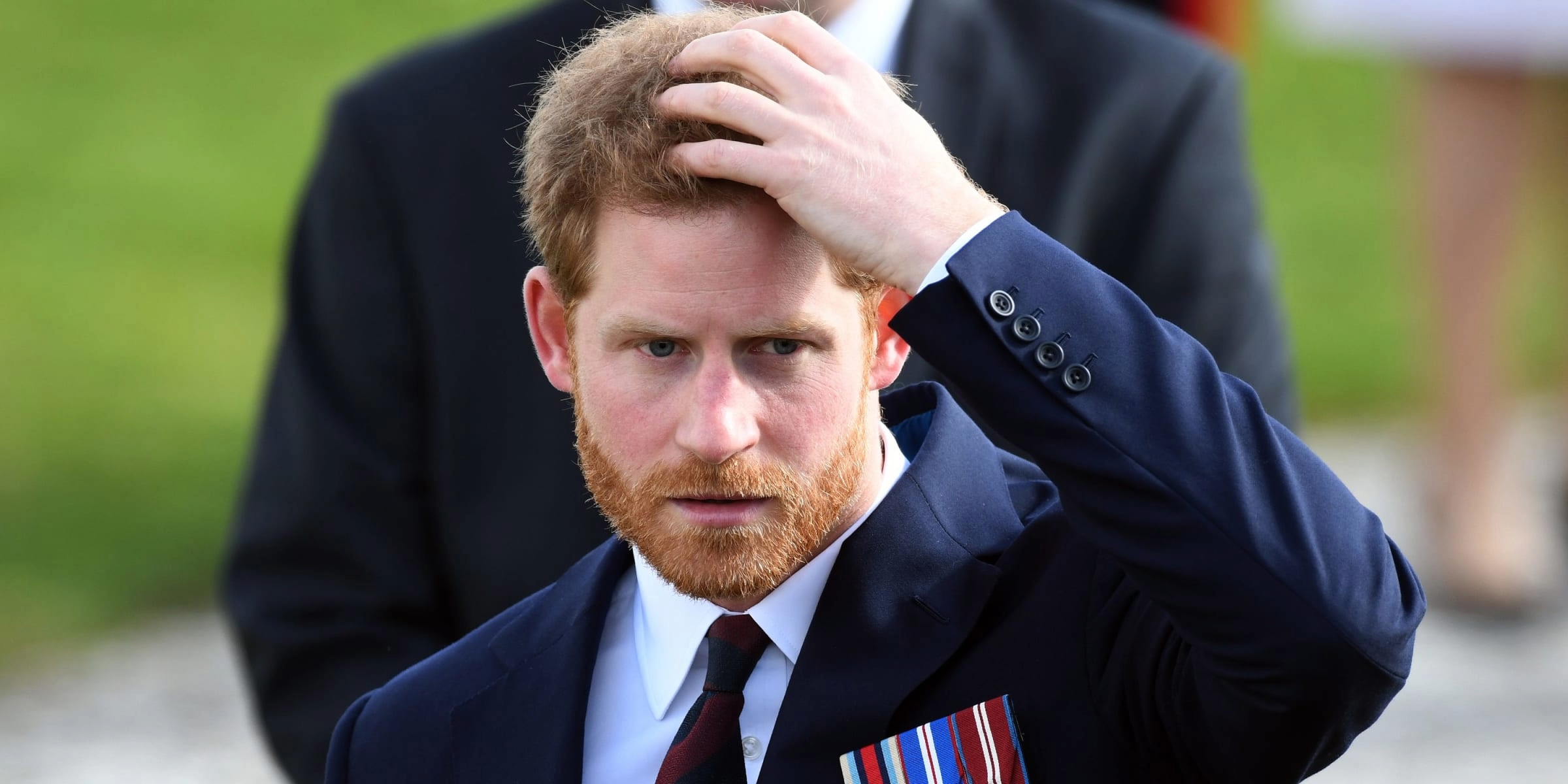
Harry can attend a charity event as the Duke of Sussex without appearing on behalf of the King, while Meghan can pursue her own projects without them becoming part of official royal work. The distinction is simple enough once explained, but it may not always look that simple from the outside.

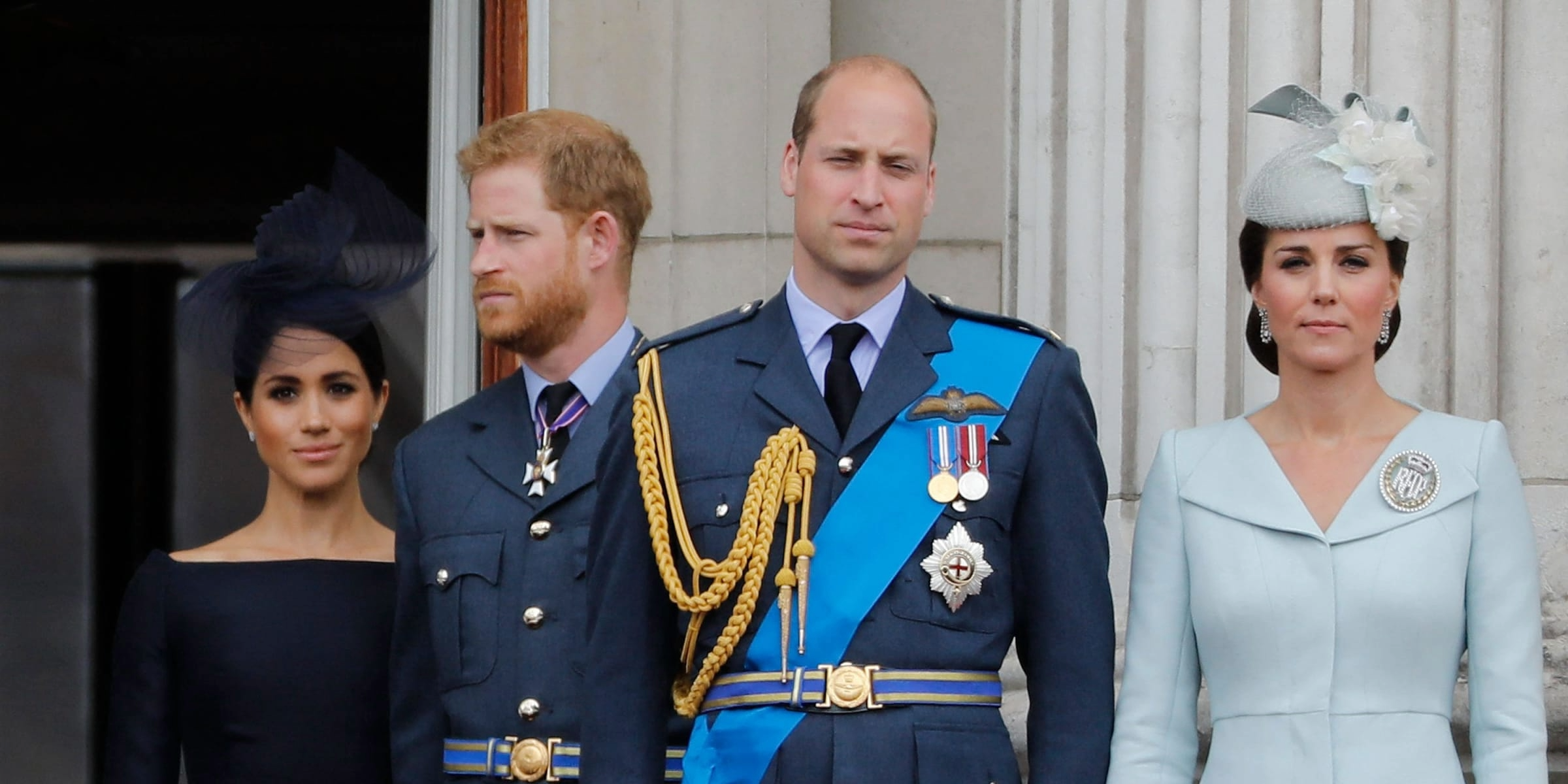
Being back in Britain places Harry and Meghan’s appearances much closer to the daily work of the monarchy. That makes comparisons with Charles, William, and other working royals far more likely, even when the Sussexes are attending events in a personal capacity. | Source: Getty Images
That is why the Palace appears keen to make the boundaries clear from the start. At the same time, Harry and Meghan reportedly do not want their independence from the monarchy to make it sound as though they have stepped away from public life altogether.
Their return has therefore created an awkward middle ground. They are physically closer to the Royal Family again, but their professional lives are still expected to remain separate from the institution.
Advertisement
Britain also puts Harry’s royal identity much more clearly in the foreground. In California, he could more easily be seen simply as a well-known figure pursuing his own projects; in Britain, almost any major appearance naturally sits closer to the family and institution he once represented.

Harry’s connection to the monarchy is not only personal. As fifth in line to the throne, he still holds a formal place in the line of succession, which gives his public role in Britain an added layer of royal significance. | Source: Getty Images
That could make even ordinary engagements feel more significant. A charity visit or public appearance may raise questions about whether it carries any royal meaning, even when the official answer is no.
Harry and Meghan are therefore in a position that does not fit neatly into one category. They are independent but not anonymous, outside the working monarchy but still closely connected to it, and private citizens whose lives remain very public.
Advertisement
Their return to Britain has not changed the rules. What it has changed is how often those rules — and the language used to describe them — may now come under attention.
And that may be the bigger challenge behind all of this. Harry and Meghan have come back to Britain without coming back to royal life, and finding the right place between those two realities may prove harder than simply changing their address.
If a few words in an official letter can cause this much discussion so early on, their new chapter in Britain may be anything but quiet.
Advertisement