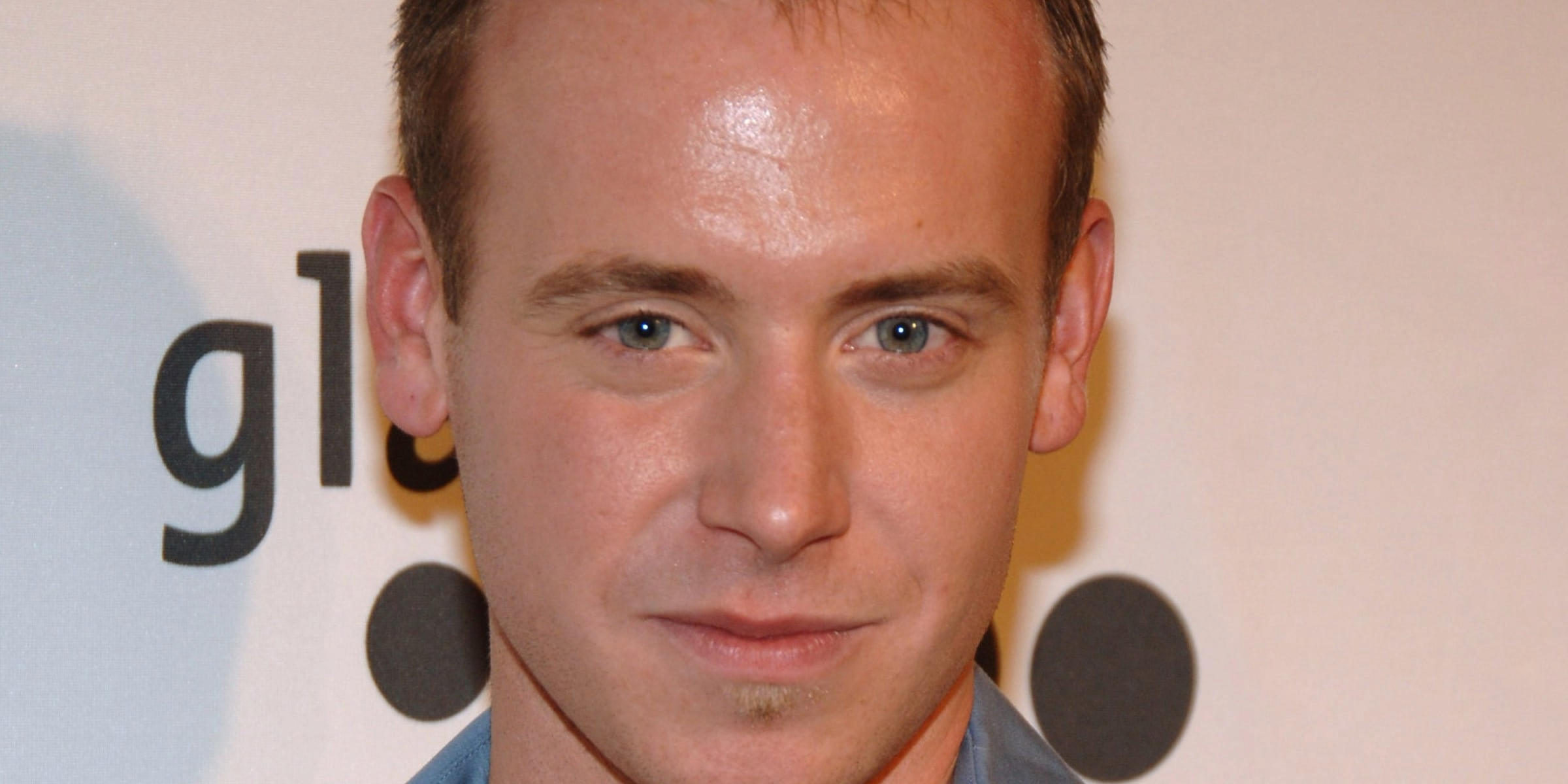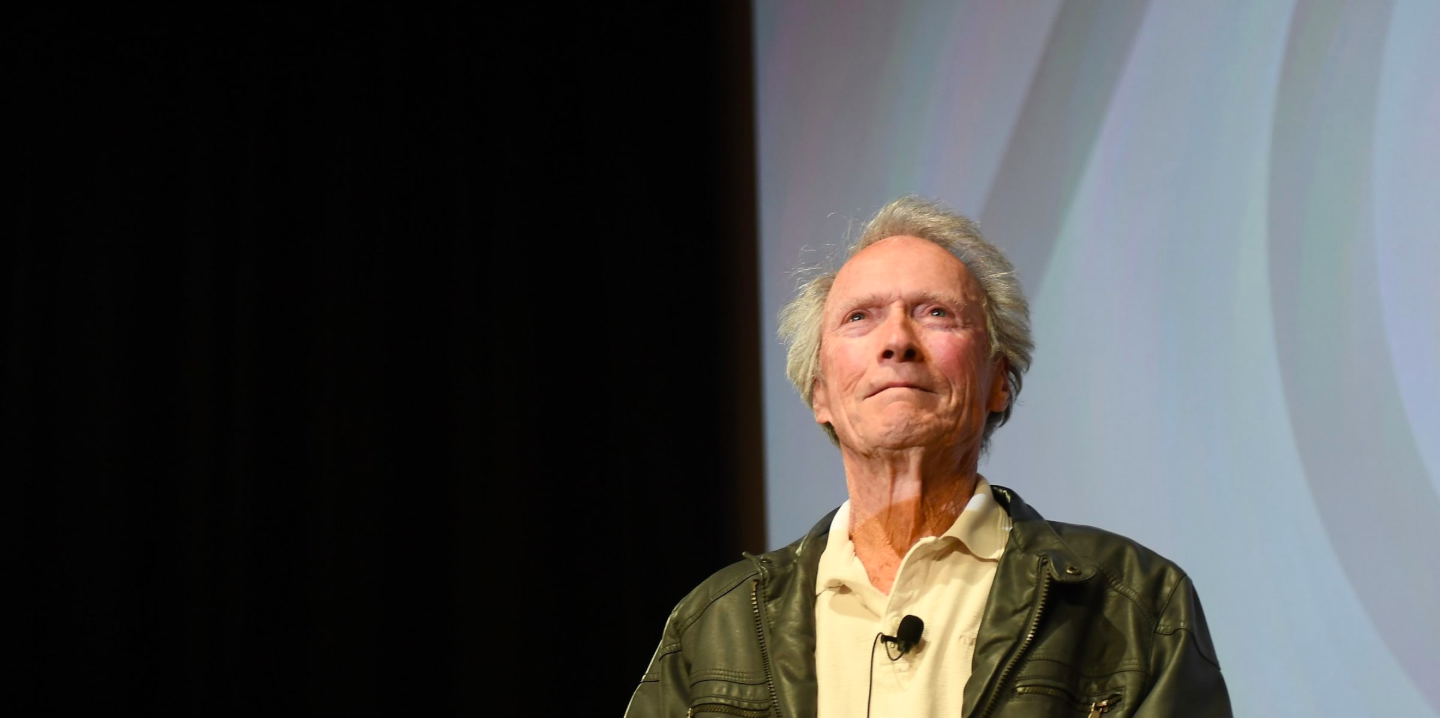

Marvin Gaye | Source: Getty Images
Marvin Gaye Gave His Father a Christmas Present – Four Months Later, It Led to His Death: Photos of the House the 'Prince of Soul' Died In

Aug 19, 2026 - 11:14 A.M.
Behind Marvin Gaye's celebrated career was a deeply troubled relationship with his father that stretched from the singer's childhood into adulthood. Their final confrontation unfolded inside the family home, photos of which are waiting at the end of the article.
Advertisement
Marvin Gaye became one of Motown's most celebrated singers, earning recognition as the "Prince of Soul" as his music made him a defining voice of his generation.
Yet behind his extraordinary success was a turbulent relationship with his father, Marvin Gay Sr., whose presence had shaped the singer's life long before fame arrived.
Gaye grew up in a deeply religious household. His father, born in Kentucky on October 1, 1914, was the eldest of 13 children and had experienced abuse during his own childhood.
Religion became an important part of Gay's life after his family joined the Pentecostal House of God, and he later moved to Washington, D.C., as a teenager to become a preacher.
There, he met Alberta Cooper, whom he married in July 1935. The couple eventually had four children together, including Gaye, but the household their kids experienced was reportedly troubled by their father's strict religious beliefs and abusive behavior.
Gay sometimes physically disciplined his children when they failed to recite Bible passages correctly and even withheld food on occasion under the belief that doing so would bring them "closer to God."
Advertisement
Although all the children were subjected to his treatment, Gaye was reportedly singled out for particularly severe abuse. The singer later recalled:
"By the time I was 12, there wasn't an inch on my body that hadn't been bruised and beaten by him."
Music provided an escape. Gaye showed an aptitude for the piano and singing while young, and those abilities eventually carried him to Motown Records and a level of success that transformed his life. His relationship with his father, however, remained difficult.
Reflecting on the importance of his mother during those years, the singer once said, "If it wasn't for Mother, who was always there to console me and praise me for my singing, I think I would have been one of those child suicides you read about in the papers."
As his career flourished during the 1960s, he tried to improve relations with his father through generous gifts. He bought his parents a better home in Washington, D.C., gave Gay a Cadillac, and eventually purchased another house for them in Los Angeles.
However, the material gestures did not resolve the tensions between them. By then, Gay was dealing with problems of his own.
Advertisement
His marriage to Cooper had deteriorated to the point that they slept in separate rooms, while a back injury and severe alcoholism affected his ability to continue working as a minister. At the same time, his son's career continued to soar.
Biographer Steve Turner described another source of resentment between father and son, explaining that Gay considered himself a religious messenger while watching his son become celebrated as a generational voice despite living a life his father did not consider godly.
When his father did not comply, the confrontation became physical, and Gaye struck him.
Years of unresolved tension followed them into the early 1980s. Then, during Christmas 1983, Gaye gave his father a present intended to help protect the family: an unregistered .38-caliber Smith & Wesson revolver.
At the time, the singer was struggling with a severe cocaine addiction and had become paranoid that someone intended to kill him. The gun was meant as protection. But within approximately four months, it would instead be used against him.
The circumstances that ultimately brought the weapon into play began on March 31, 1984, inside the family's Los Angeles home. Gay became involved in an argument with Cooper over documents that had apparently been misplaced.
Advertisement
The dispute continued the following day, April 1. Early accounts from neighbors suggested the father and son had been fighting about plans for Gaye's upcoming 45th birthday, which would have fallen on April 2.
Later reports indicated that the confrontation concerned the missing documents, which were reportedly connected to an insurance policy. According to Cooper, Gaye intervened as his father argued with her.
The singer had warned Gay to leave his mother alone or, at a minimum, speak to her respectfully. When his father did not comply, the confrontation became physical, and Gaye struck him.
Gay subsequently returned with the .38-caliber revolver his son had given him for Christmas. He fired twice, striking Gaye in the chest and shoulder. Police arrived at the house soon afterward, and the singer was transported to California Hospital Medical Center.
The first bullet had caused catastrophic damage to several vital organs, and Gaye was pronounced dead. He was 44, just one day away from his 45th birthday.
After his arrest, Gay maintained that he had acted in self-defense because his son attacked him first. During a jail-cell interview, he acknowledged firing the weapon and described retreating toward his room as the confrontation unfolded. He claimed:
Advertisement
"I pulled the trigger. The first one didn't seem to bother him. He put his hand up to his face like he'd been hit with a BB. And then I fired again."
Evidence subsequently complicated that version of events. Gaye was found to have been seated when he was fatally shot, while the second bullet had been fired from a closer distance than the first.
Gay's response when questioned about his feelings for his son was equally stark. Asked whether he loved Gaye, he replied, "Let's say that I didn't dislike him."
The legal case did not ultimately result in a murder conviction. Although Gay was initially charged with first-degree murder, the charge was later reduced. On September 20, 1984, he pleaded no contest to voluntary manslaughter.
He received a six-year suspended sentence and five years of probation, with his declining health contributing to the comparatively lenient sentence. Cooper also filed for divorce, bringing their marriage of nearly five decades toward its end.
Gay's health continued to worsen afterward, and he eventually required long-term care. He died from pneumonia at a nursing home in Culver City, California, on October 10, 1998, at 84.
Advertisement
The singer's death left an especially haunting detail in the history of his relationship with his father: the weapon Gay used on April 1, 1984, had entered the Los Angeles house as a Christmas gift from Gaye himself only months earlier.
The home became the setting for the final chapter of a father-son relationship troubled since childhood, and photos of the house where the "Prince of Soul" died can be found below.
Photos of the Los Angeles Home Where Marvin Gaye Died
Advertisement

In a post dated July 29, 2026, the Los Angeles home where Marvin Gaye's life came to a tragic end is pictured from the sidewalk, its Tudor-style facade rising behind a metal fence and layers of greenery. Dark timber detailing traces the light exterior, while steep gables, mature trees, and an enclosed front garden give the property a secluded appearance. | Source: Instagram/stephanosmoothlewis

A wider street-level photograph shows more of the sprawling residence where Marvin Jr. died on April 1, 1984. The house stretches behind a long metal fence, with a gated walkway marking the entrance and thick shrubs lining the perimeter. Towering trees frame the property, while its peaked roof and contrasting timber accents remain clearly visible from across the sidewalk. | Source: Instagram/stephanosmoothlewis

Seen from a closer angle, the gated entrance draws the eye toward the home where the fatal confrontation between Marvin Jr. and his father unfolded. The rust-colored gate sits between brick pillars as climbing vines, hedges, and dense garden plants surround the pathway, partially concealing the lower portion of the house while its sharply pitched gables dominate the view above. | Source: Instagram/stephanosmoothlewis
Advertisement

Another view from across the street provides a fuller look at the home's distinctive exterior, including its dark timber framing, pale walls, multiple gables, and deep front porch. Trees cast shade across parts of the property, while carefully shaped hedges flank the entrance and a metal fence separates the garden from the sidewalk decades after Marvin Jr.'s death. | Source: Instagram/stephanosmoothlewis
If you or someone you know is considering suicide, please contact the National Suicide Prevention Lifeline at 1-800-273-TALK (8255), text "help” to the Crisis Text Line at 741-741, or go to suicidepreventionlifeline.org.
Advertisement

The information in this article is not intended or implied to be a substitute for professional medical advice, diagnosis or treatment. All content, including text, and images contained on ondoho.com, or available through ondoho.com is for general information purposes only. ondoho.com does not take responsibility for any action taken as a result of reading this article. Before undertaking any course of treatment please consult with your healthcare provider.
ondoho.com does not support or promote any kind of violence, self-harm, or abusive behavior. We raise awareness about these issues to help potential victims seek professional counseling and prevent anyone from getting hurt. ondoho.com speaks out against the above mentioned and ondoho.com advocates for a healthy discussion about the instances of violence, abuse, sexual misconduct, animal cruelty, abuse etc. that benefits the victims. We also encourage everyone to report any crime incident they witness as soon as possible.