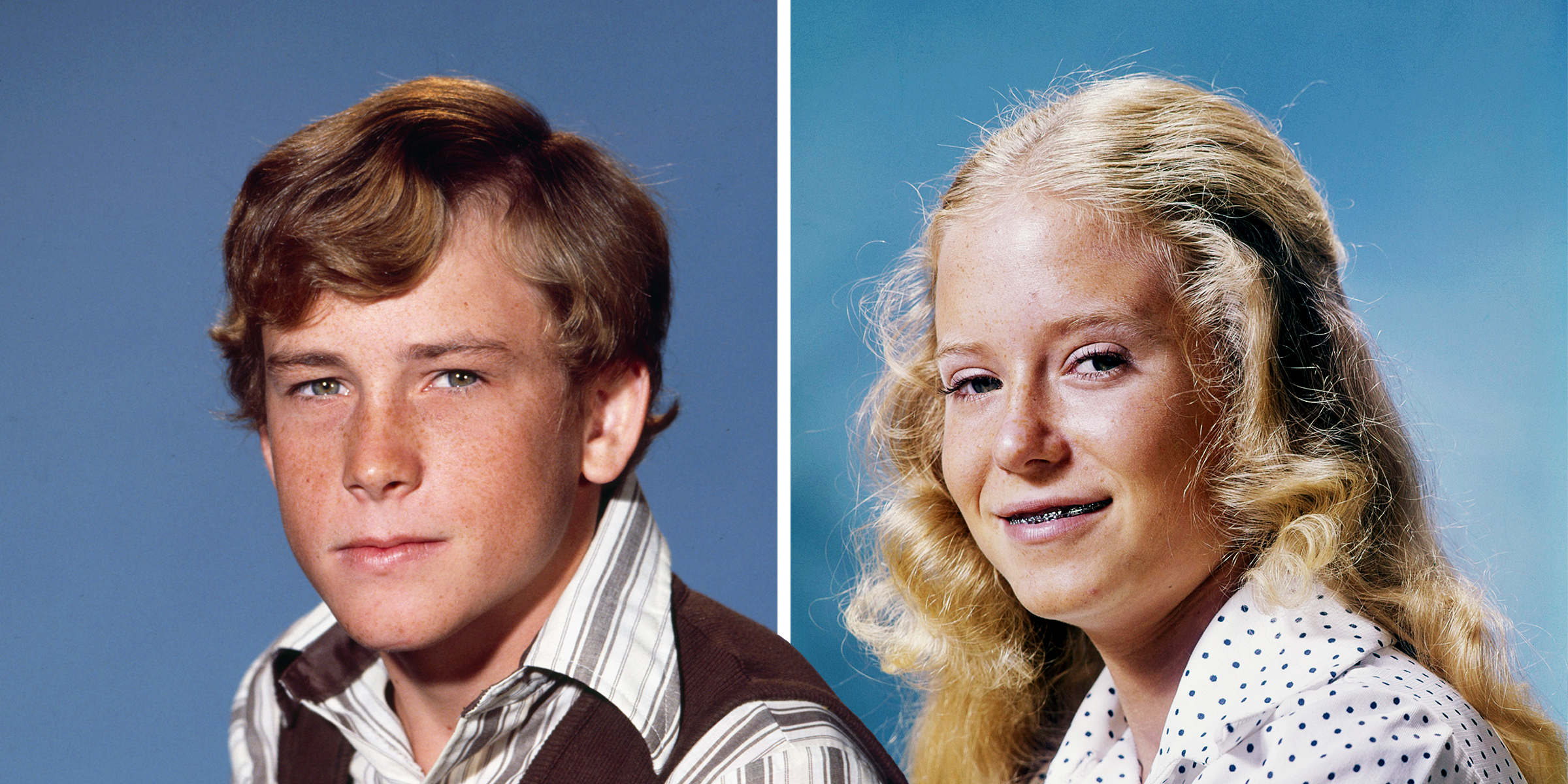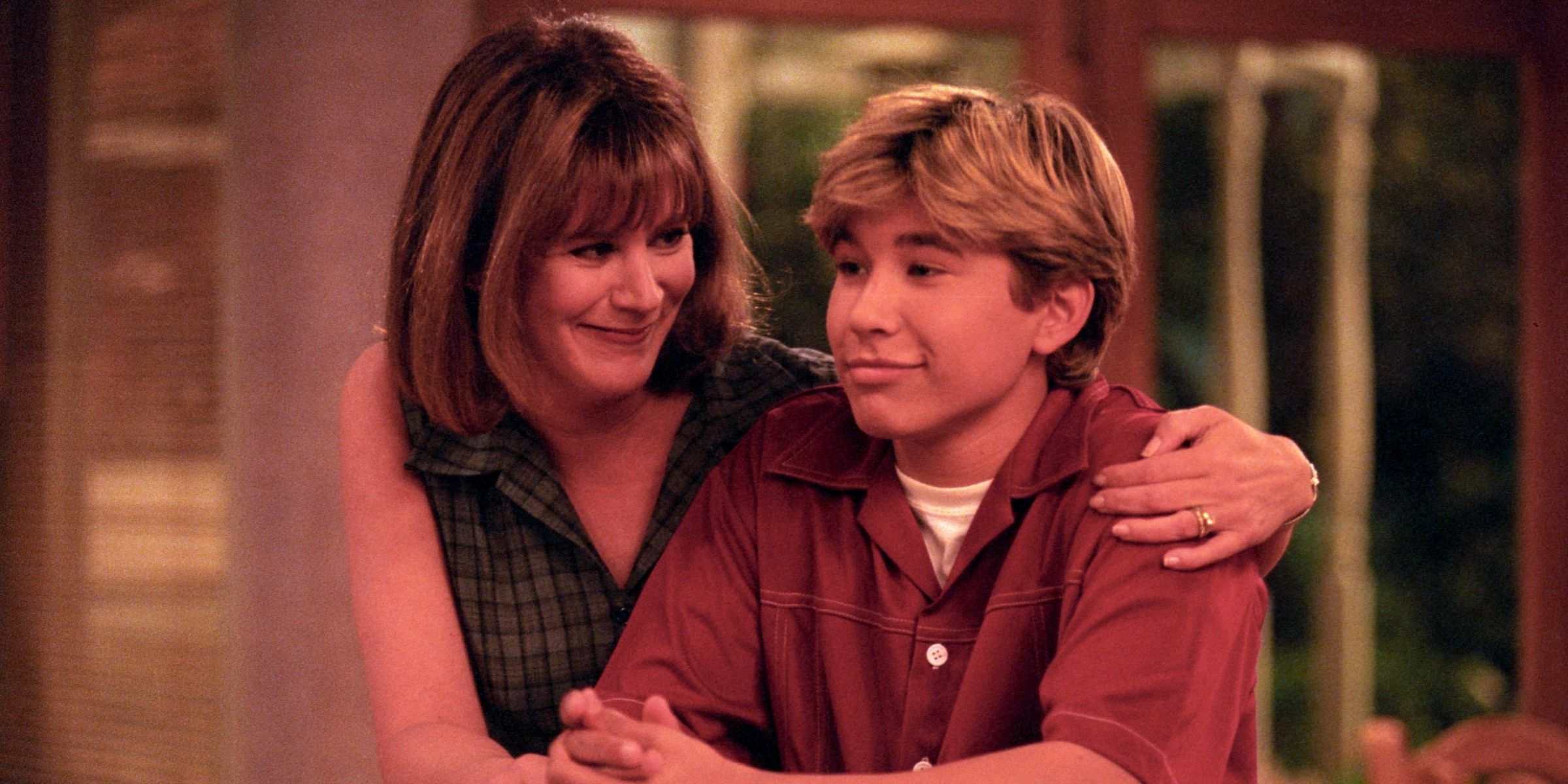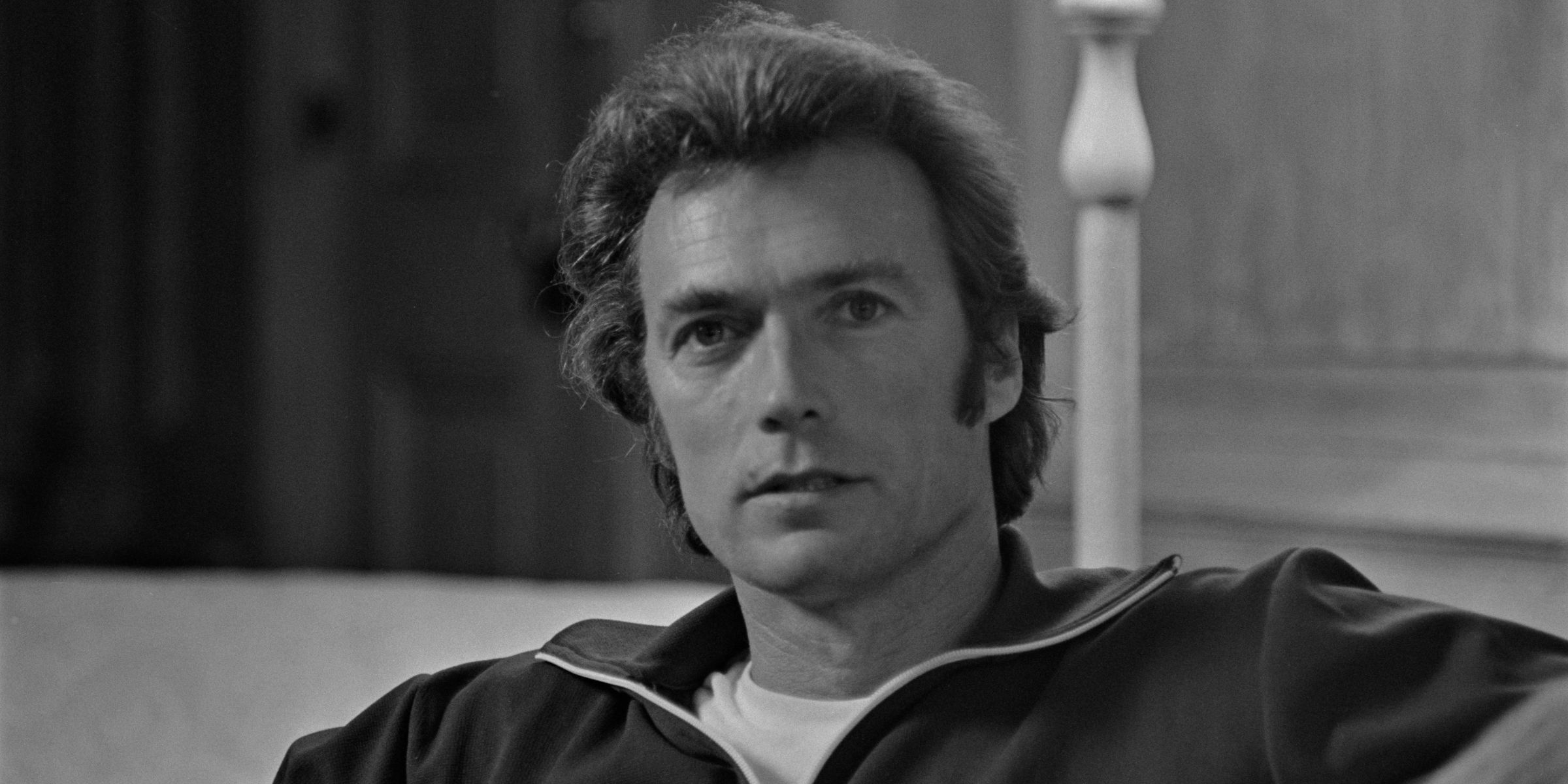

The actor and another cast member on "Happy Days" Season 1 in 1974 | Source: Getty Images
He Played a Beloved TV Character, Has 5 Daughters, and at 77 Is Refusing to Slow Down — His Latest Birthday Post Says It All — Photos

Oct 05, 2026 - 10:38 A.M.
A beloved Happy Days actor turned his fame into a career as a director, entrepreneur, and father of five. Now 77, his latest birthday post delivers a defiant message about aging, staying active, and refusing to become invisible.
Advertisement
Born in Los Angeles, California, on September 25, 1949, the actor grew up to become part of a television cast that defined an era. He became one of the stars of ABC's Happy Days, the sitcom that ran from 1974 to 1984 and presented an idealized version of life in the 1950s and 1960s.

The actor, pictured at Arnold's Diner alongside his "Happy Days" co-stars, was part of the beloved sitcom's ensemble cast during its 1974–1984 run. | Source: Getty Images
The TV Role That Made Him Famous
He played one of Richie Cunningham's best friends, appearing alongside Ron Howard as Richie, Donny Most as Ralph Malph, Henry Winkler as Arthur "The Fonz" Fonzarelli, Tom Bosley as Howard "Mr. C" Cunningham, and Marion Ross as Marion "Mrs. C" Cunningham. The role was Potsie Weber, and it turned the actor into a household name.

The actor is pictured with his Happy Days co-stars Ron Howard, Donny Most and Henry Winkler in a scene from the beloved sitcom. | Source: Getty Images
Advertisement
He did not, however, land the part without a struggle. He told Smashing Interviews Magazine that his agent sent him to audition at the last minute and he initially got the role, but the pilot did not sell. A second pilot was made a year later after American Graffiti became a hit, and the actor had to screen-test again with a group of other actors.
"Then I had a screen test with a bunch of people, and it took a month of not knowing to finally get the part again. Hundreds of people tried out for the role of Potsie."
That uncertainty eventually led to one of the most recognizable sitcom careers of the era.

The Happy Days cast is pictured together during the sitcom’s first season, with the actor appearing alongside the characters who would become central to the beloved series. | Source: Getty Images
He Knew Early That Acting Would Not Be His Whole Life
Advertisement
The success of Happy Days could easily have convinced the beloved actor to remain in front of the camera indefinitely. Instead, he had already started looking beyond acting.
"Early on in acting, I knew I wouldn't be doing it as a career my whole life. I first started creating and writing shows and selling them as a producer. Then it was Ron Howard who said, 'You really should direct.' I ended up attaching myself to shows that I had created because no one would give me a break as a director."

The actor is pictured alongside Ron Howard in a scene from the second season of Happy Days, during the years when the sitcom was establishing itself as a television favorite. | Source: Getty Images
The actor was Anson Williams. And Howard's suggestion ultimately opened another major chapter in his career. Williams began directing in 1985 and went on to direct episodes of Diagnosis Murder, Xena: Warrior Princess, Melrose Place, Beverly Hills, 90210, Star Trek: Deep Space Nine, Star Trek: Voyager, 7th Heaven, Sabrina, the Teenage Witch, Charmed, and Lizzie McGuire.
Advertisement

Anson Williams is pictured with Ron Howard during the first season of Happy Days, years before he would build an extensive career directing hit television series. | Source: Getty Images
His other directing credits included the 1990 television movie Quiet Little Neighborhood, a Perfect Little Murder, starring Teri Garr and Robert Urich, the 1991 direct-to-video thriller All-American Murder, starring Christopher Walken and Charlie Schlatter, and episodes of New York Undercover, The Pretender and The Love Boat: The Next Wave.
He also had feature films in development and said he had done a project for Chris Walken for HBO. Still, television remained overwhelmingly his territory. "I've had feature films in development. I did something for Chris Walken for HBO. But it has been 99.9% television."
1974

Anson Williams is pictured in a portrait from his "Happy Days" days, long before he expanded his career behind the camera with an impressive list of television directing credits. | Source: Getty Images
Advertisement
He Never Let Potsie Define Him
Interestingly, Williams said he did not worry much about being typecast after Happy Days. His reason was simple: he had already begun thinking beyond acting. "No, because I didn't care. I own two national product companies, so I've always been an entrepreneur and a realist. I didn't care about typecasting and didn't care about acting after Happy Days."
Instead, Williams said he wanted to work satisfyingly and use the opportunities he had been given to pursue other ventures. "I cared about working in a satisfying way and using what I had for positive things in future adventures and challenges for future profits, so I was able to use that and develop a lot more than acting."

Anson Williams is pictured as Potsie in a scene from "Happy Days," the role that launched his acting career before he turned his attention to entrepreneurship and other ventures. | Source: Getty Images
Advertisement
That same willingness to move on appeared in another part of his career: music. Williams said he pursued singing for more than a decade, co-headlining in Las Vegas and Reno before deciding that chapter had reached its limit. "I saw limitations, and I changed course." That phrase could almost serve as a summary of his entire career.
His Fame Was Huge — But He Says It Never Went to His Head
The success of Happy Days was enormous. Williams recalled that the cast had millions of people watching every week and compared their level of fame to The Beatles.
Yet he insisted that the success did not create massive egos among the cast. "We had millions of people watching us every week, and we were The Beatles for years, but it never went to our heads. We all used it constructively."
He said the cast remained involved in the entertainment business and also contributed to charities and society. Williams credited Garry Marshall, the creator and boss of Happy Days, with inspiring that approach.
1975

Anson Williams is pictured as Potsie in a scene from Happy Days, before his career expanded into music, directing and entrepreneurship. | Source: Getty Images
Advertisement
1979
His relationship with the cast also remained strong years after the series ended. Asked whether he was still in contact with his former co-stars, Williams responded, "Oh my gosh, yes. Everybody is very close."
His connection with Howard went beyond simply sharing the Happy Days set. Williams recalled working with Howard years earlier and noted that Howard executive produced the first television film Williams created, Skyward, which aired in 1980 and starred Bette Davis and Marion Ross.
He described Howard as "one of those major artists in film" and said they had worked together on numerous projects in the past.

Anson Williams is pictured with fellow "Happy Days" stars Donny Most and Ron Howard in a scene from the beloved sitcom. | Source: Getty Images
Advertisement
Henry Winkler Was Nothing Like The Fonz
Williams was particularly complimentary when asked about Henry Winkler. "Henry is the kindest, most decent person on earth. He's so not the Fonz. He's an intelligent, wonderful actor with an amazing heart and social conscience."
Williams said the Happy Days cast could easily have developed large egos given how many people watched them. Instead, he said, they tried to use their success constructively. The same affection extended to Tom Bosley, who played Howard Cunningham.
When interviewer Melissa Parker mentioned Bosley's death, Williams remembered him as a genuine father figure. "He didn't want any of us young guys taken advantage of. Tom was much more than a talented actor; he was a very kind and giving friend." Williams even remembered Bosley helping him negotiate his first mortgage.

Anson Williams attends a Primetime Emmy Awards event with fellow Happy Days star Scott Baio and his wife, Lorrie Mahaffey. | Source: Getty Images
Advertisement
He Also Had a Surprising Singing and Commercial Chapter
Long before his directing and business ventures fully developed, Williams spent years performing as a singer. But one of his earliest entertainment opportunities came from a commercial. When Parker mentioned seeing an old McDonald's commercial featuring a young Williams and a young John Amos on YouTube, Williams called it one of his greatest breaks.
1989

Anson Williams and his wife, Jackie Gerken, attend a gala event, marking one of the actor’s appearances during his years beyond Happy Days. | Source: Getty Images
"That was one of the greatest breaks ever! It was the first time I was able to get some money." During the interview, he explained that the commercial eventually became iconic enough that the company would call, renegotiate, and put it back on the air.
Advertisement
There was also the question of another Happy Days reunion. The cast had reunited in 2005, but Williams did not expect another one. "No. I don't think there'll be another one. It was fun, though."
Then He Took His Career in a Completely Different Direction
Williams eventually became an entrepreneur, founding two product companies: StarMaker Products and Physicians Prefer. His business interests were not simply an extension of celebrity branding. As the father of five daughters, he became particularly interested in women’s health and helped put those issues at the center of Physicians Prefer's agenda.
1992

Anson Williams is pictured during an interview for the Happy Days Reunion Special, reflecting on the sitcom that helped launch his long and varied career. | Source: Getty Images
One of the company's products was Cool Flash for the Hot Flash, which Williams described as an alternative approach to hot flashes associated with menopause and chemotherapy.
Advertisement
The story behind the product began while he was directing Melrose Place in 2000. The cast members had been raving about skin-care products in the makeup trailer, which led Williams to meet JoAnna Connell.
1994

Anson Williams and his wife, Jackie Gerken, arrive at a red-carpet event, years before his work on Melrose Place would inspire one of his entrepreneurial ventures. | Source: Getty Images
Connell had created skin-care products for actors before they went on camera and had also created skin care for Baywatch. Williams and his partners turned that connection into StarMaker Products, which eventually became a nationwide company. "We've been on QVC for 8 years," Williams said.
His interest in alternative healing also had a family connection. He explained that his uncle — technically his cousin, whom he called his uncle — was Dr. Henry Heimlich, known for the Heimlich Maneuver.
Advertisement
Heimlich's wife, Jane Heimlich, wrote What Your Doctor Won’t Tell You, and Williams said that background contributed to his longstanding interest in alternative medicine.
1999

Anson Williams and his wife, Jackie Gerken, attend the Melrose Place series finale wrap-up party, where Williams’ work behind the camera had helped shape another chapter of his television career. | Source: Getty Images
His Passion for Women's Health Had a Personal Side
Williams and his business partner eventually connected with doctors who were concerned about hormonal treatments and wanted to develop alternative products that were clinically proven.
2005

Anson Williams attends the Happy Days 30th Anniversary Reunion at The Museum of Television and Radio, as he continued building a career that extended well beyond his acting days. | Source: Getty Images
Advertisement
They used profits from StarMaker to fund the work. The first product was Cool Flash for the Hot Flash, which Williams described as a drug-free, hormone-free, and estrogen-free topical gel. He explained that users applied it to two areas of the body when a hot flash began — the back of the neck and the bottom of the neck in front.
Williams said the product had become a phenomenon and was available through Costco and drugstore.com. He also highlighted its use among chemotherapy patients because hot flashes can be a side effect of treatment.
2009

Anson Williams poses with fellow Happy Days stars Erin Moran and Donny Most at a Hollywood collectors and celebrities event, reflecting the enduring connection he shared with his former castmates. | Source: Getty Images
"Women can basically use these liquid ice cubes instead of going through hormone treatments that cause cancer. It costs less than $10 and lasts about a month." He said thousands of chemotherapy patients were using the product. "That just blows me away, and it is one of the main reasons I'm so passionate about Cool Flash."
Advertisement
2014

Anson Williams visits the SiriusXM Studios in New York City, continuing to share his work and experiences with audiences long after his Happy Days days. | Source: Getty Images
He Has Five Daughters — And Kept Them Out of Hollywood
While Williams was juggling directing and his companies, he was also raising five daughters. At the time of the interview, he described having two 8-year-olds, a 3-year-old, a 12-year-old, and a 21-year-old.
And despite their father’s long Hollywood career, he said none appeared particularly interested in show business. "I would say no. They're all unique, but I don't think anyone has a passion for show business, and I don't push it on them. I don't think they've seen a whole episode of Happy Days."
2015
Advertisement

Anson Williams attends a Star Trek convention in Las Vegas, where he appeared as both an actor and director while balancing his busy career with life as a father of five. | Source: Getty Images
For Williams, being a father meant putting the children first. "I'm daddy, and when I'm with them, I'm with them. It's their time, and it's not my time." He described show business as a very difficult road for young people. "Writing may be a little easier, but being an actor is a very difficult road."
2016

Anson Williams attends the Daytime Creative Arts Emmy Awards in Los Angeles, as he continued balancing his entertainment career with his role as a devoted father. | Source: Getty Images
Advertisement
2020

Anson Williams attends the Hollywood Museum’s 40th Anniversary of Knots Landing costume exhibit, showing that his connection to television remained strong decades after Happy Days. | Source: Getty Images
Williams was especially critical of the risks surrounding child actors, pointing to what he called numerous sad stories involving young performers and questionable parenting. He considered Ron Howard an exception because, in his view, Howard's parents provided him with a balanced upbringing.
"Most child actors have a terrible time because there is questionable parenting. Ron Howard is healthy because his parents were amazing, and it was a balanced life. Numerous times it is not that way. The highs are too high, and the lows are too low. I don't recommend it."
He Had Strong Opinions About What Television Should Be Doing
Advertisement
Williams' years on Happy Days also shaped his thoughts about television's role in society. When asked about The Secret Life of the American Teenager, which he was directing at the time, he said he had joined the show during its first six episodes.
He directed almost half the episodes, while Keith Truesdell directed the others. Williams praised the ensemble for being experienced and prepared, saying that the production's discipline helped save time and keep working hours reasonable.
He also defended the show's controversial pregnancy storylines. Although he described himself as "just a hired director," Williams said the studio and producers received positive mail about the storylines. He believed the show encouraged parents and children to discuss difficult subjects rather than portraying teenage parenthood as glamorous.
2024

Anson Williams attends a Los Angeles Lakers game, years after his Happy Days experience shaped his perspective on the challenges young performers can face in the entertainment industry. | Source: Getty Images
- The 'Married with Children' Cast: One Left for Broadway Mid-Run, One Made TV History, and Christina Applegate Has a New Chapter — Photos
- 'All That' Actress Christy Knowings, 46, Dies After Sudden Health Crisis — Cast Members React
- He Played D.J. Conner on 'Roseanne' for 9 Seasons — You Won't Recognize Him Today — Photos
Advertisement
When asked whether the storylines were educational, Williams replied: "Very educational. Parents' groups love the show. Any parent who has intelligence will say, 'Wow! This is helping to prevent it!' The show deals with teenage issues very honestly. It says, 'This is not cool because look what your responsibilities are going to be.'"
He also pushed back on the idea that the show sent the wrong message to young viewers, saying its storylines were meant to encourage thoughtful conversations, better communication, and responsible choices.
His Views on Television Had Changed Since Happy Days
Williams acknowledged that Happy Days belonged to a very different era of television. While some subjects were rarely discussed openly at the time, he remembered that the sitcom still had episodes that pushed boundaries for its audience.
He also pointed to All in the Family and Maude as examples of earlier shows that tackled difficult social subjects and helped bring topics that were rarely discussed into mainstream television.
Williams recalled that Happy Days also addressed racial issues during its first season, including a storyline involving neighbors who wanted to marry at the Cunningham family home.
Advertisement
Television itself had changed dramatically since Williams' Happy Days days. When he was on the sitcom, viewers had only a few major networks to choose from, whereas the television landscape had expanded enormously by the time of his interview.
Advertisement
Williams believed that the growth of media had also changed the culture surrounding fame. He felt that the constant pursuit of attention had contributed to a society increasingly focused on brief moments of publicity rather than lasting accomplishments.
He was also critical of the modern celebrity-news cycle, particularly the way photographers and media outlets could contribute to manufactured attention. In his view, sensational material often attracted more interest because audiences continued to consume it.
All of those ideas — staying active, changing direction, refusing to be defined by age and continuing to pursue new challenges — make his latest birthday message particularly fitting.
Advertisement
And Then Came the Birthday Post
At 77, Williams took to Instagram with a message aimed directly at fellow Baby Boomers. "My yearly reminder to every Boomer: NEVER let anyone diminish us because of our age. I'm 77. More creative, healthier, busier, more curious — and more alive than I was at 40."
He credited a combination of love, kindness, adventure, and discipline for the way he feels today. "Why? A partner who sees the best in me. Good lovin'. Kindness. Adventure. A little discipline — eat right, move, take care of yourself. Mountains still worth climbing."
Then he made the central point of the post unmistakable. "And the absolute refusal to let anyone else decide my worth." Williams finished with a declaration that sounds remarkably consistent with the career choices he has made since Happy Days. "We didn't come this far to become invisible."
Advertisement
"We came this far to become unstoppable. We're not winding down. We're still winning — and we haven't even played our best hand yet." After a career that moved from Happy Days fame to directing, singing, entrepreneurship, women's health advocacy and fatherhood, Williams is still talking about mountains worth climbing.
And perhaps the most revealing part of his birthday message is that he does not sound like someone looking back at what he has already accomplished. He sounds like someone who believes his best hand may still be waiting to be played.
Advertisement

The information in this article is not intended or implied to be a substitute for professional medical advice, diagnosis or treatment. All content, including text, and images contained on ondoho.com, or available through ondoho.com is for general information purposes only. ondoho.com does not take responsibility for any action taken as a result of reading this article. Before undertaking any course of treatment please consult with your healthcare provider.