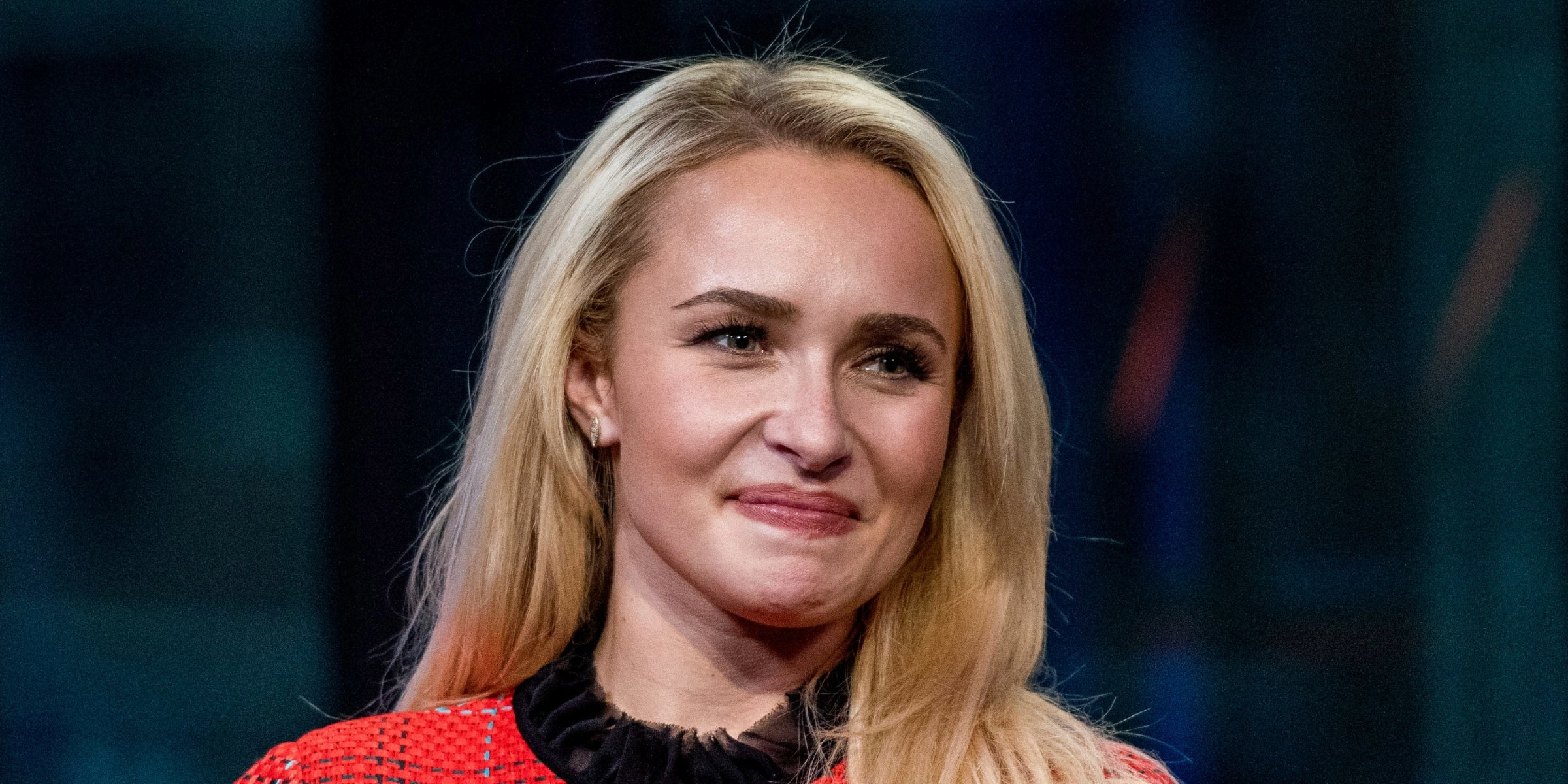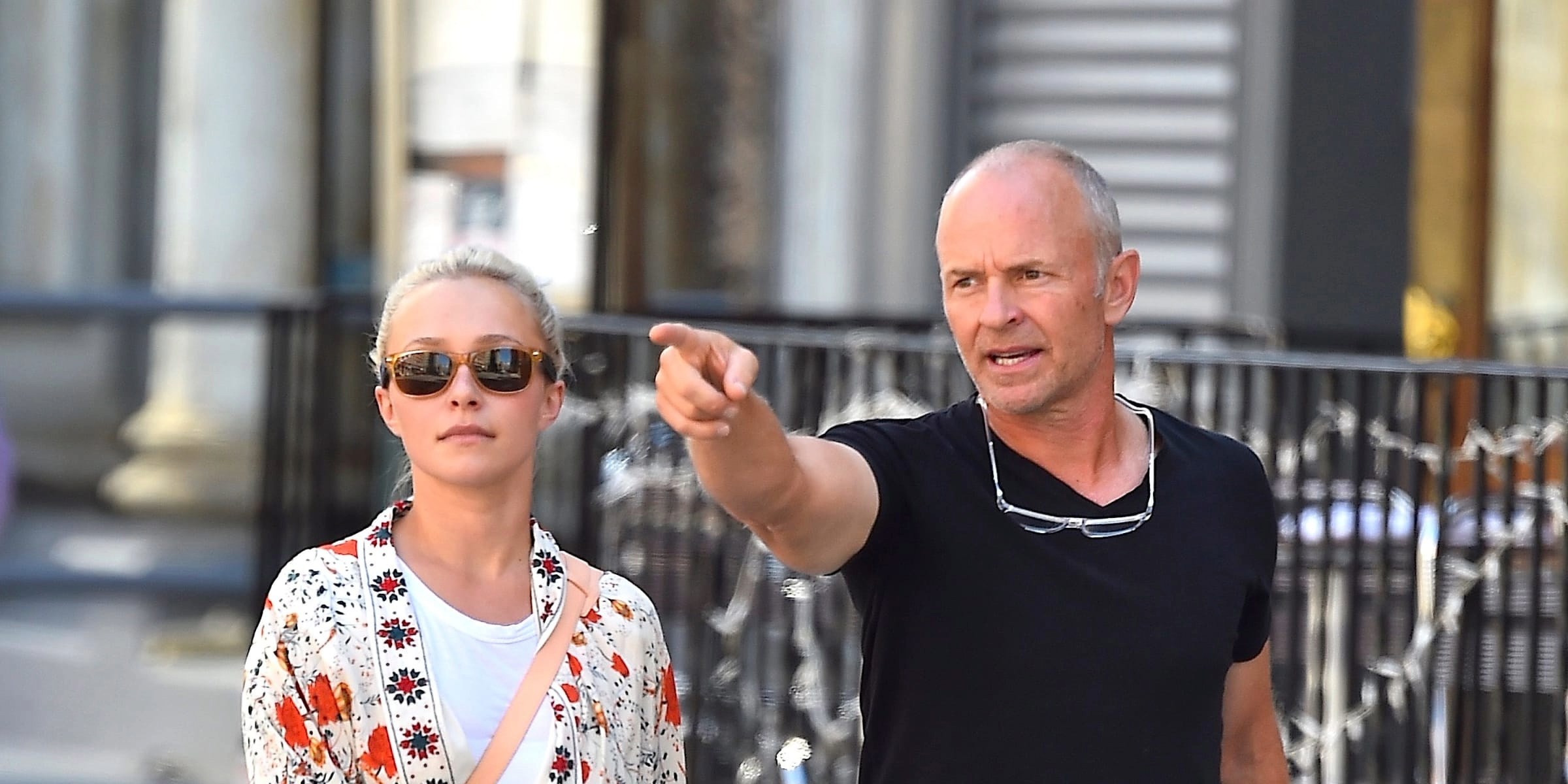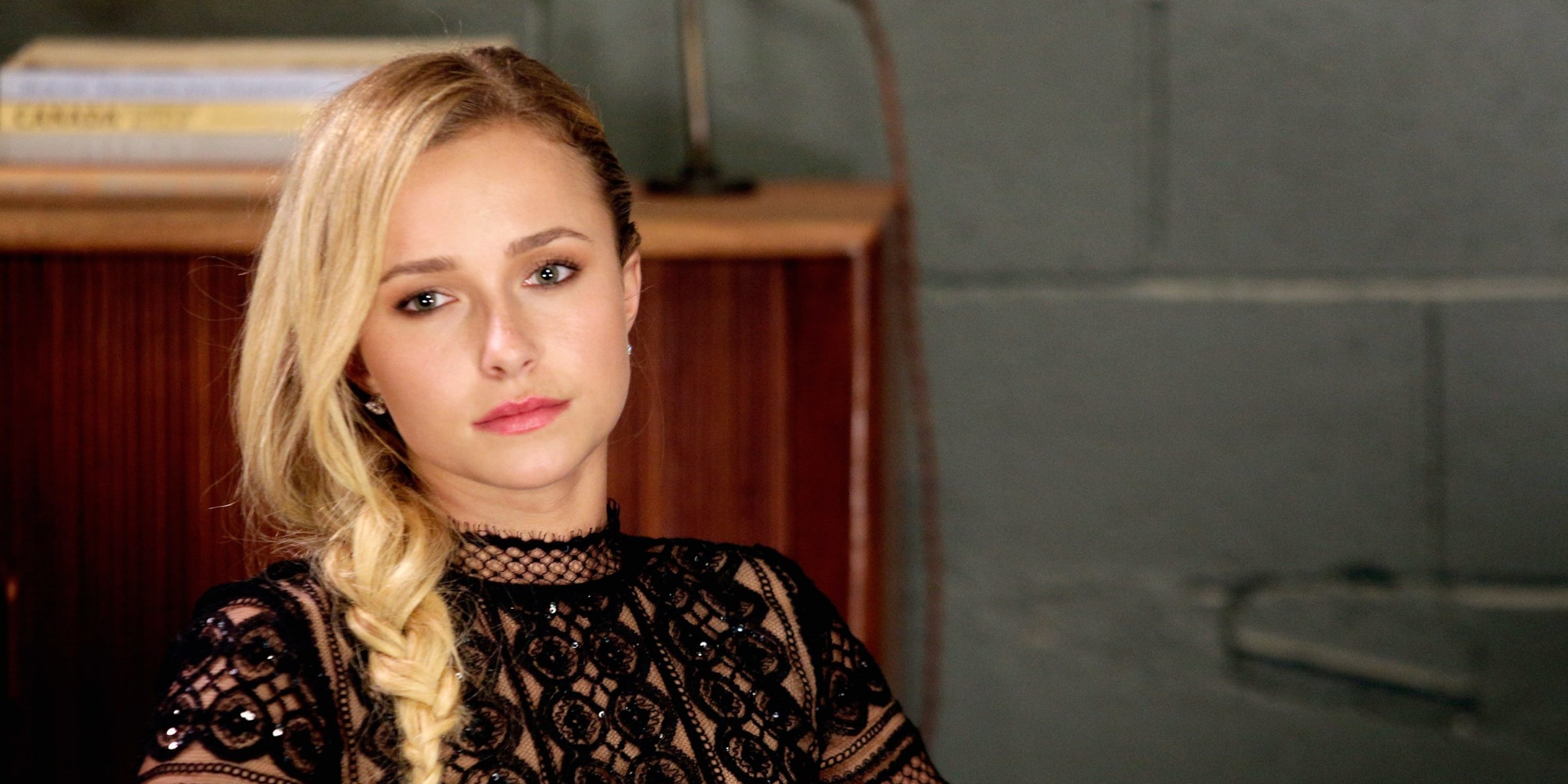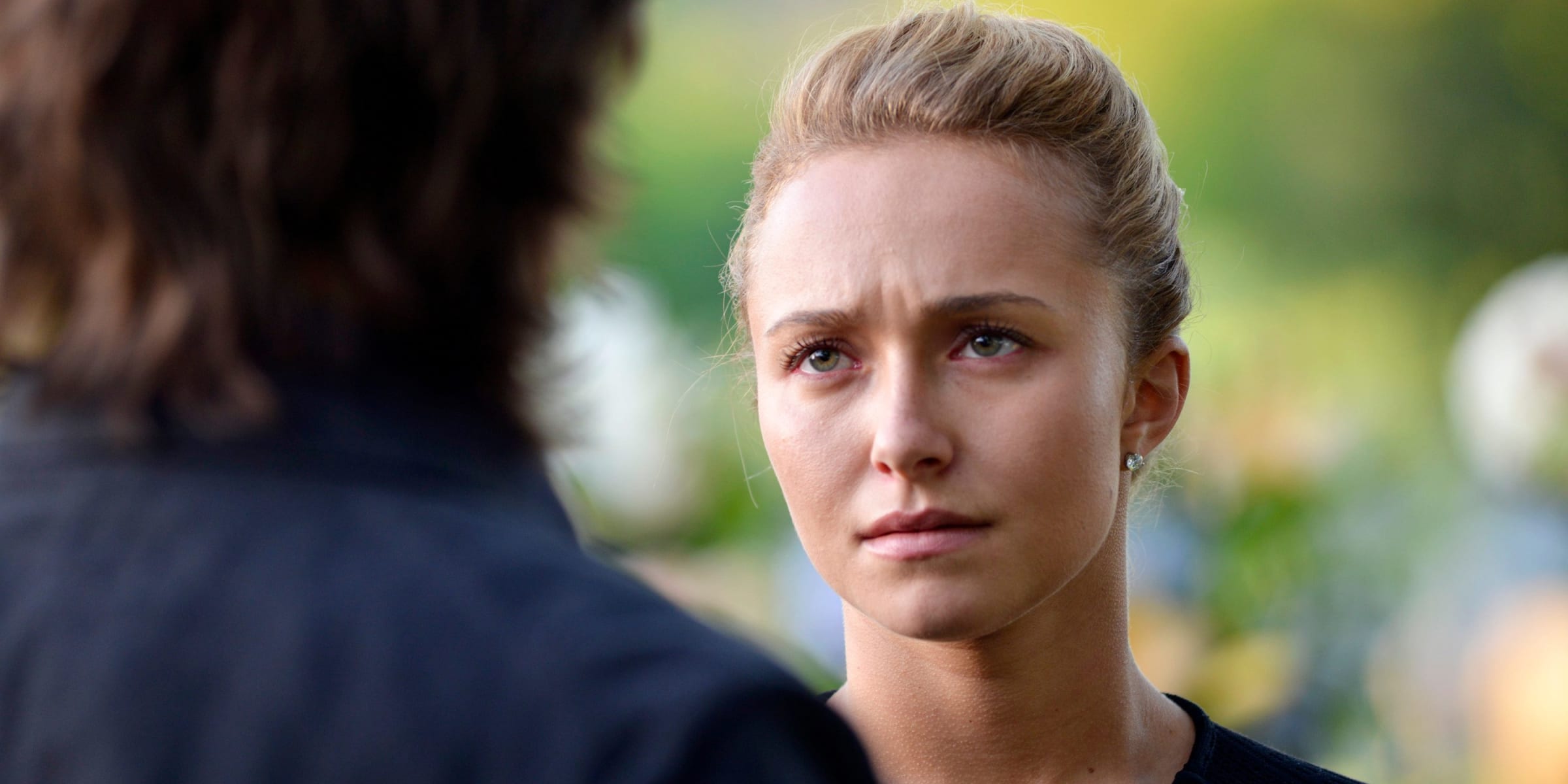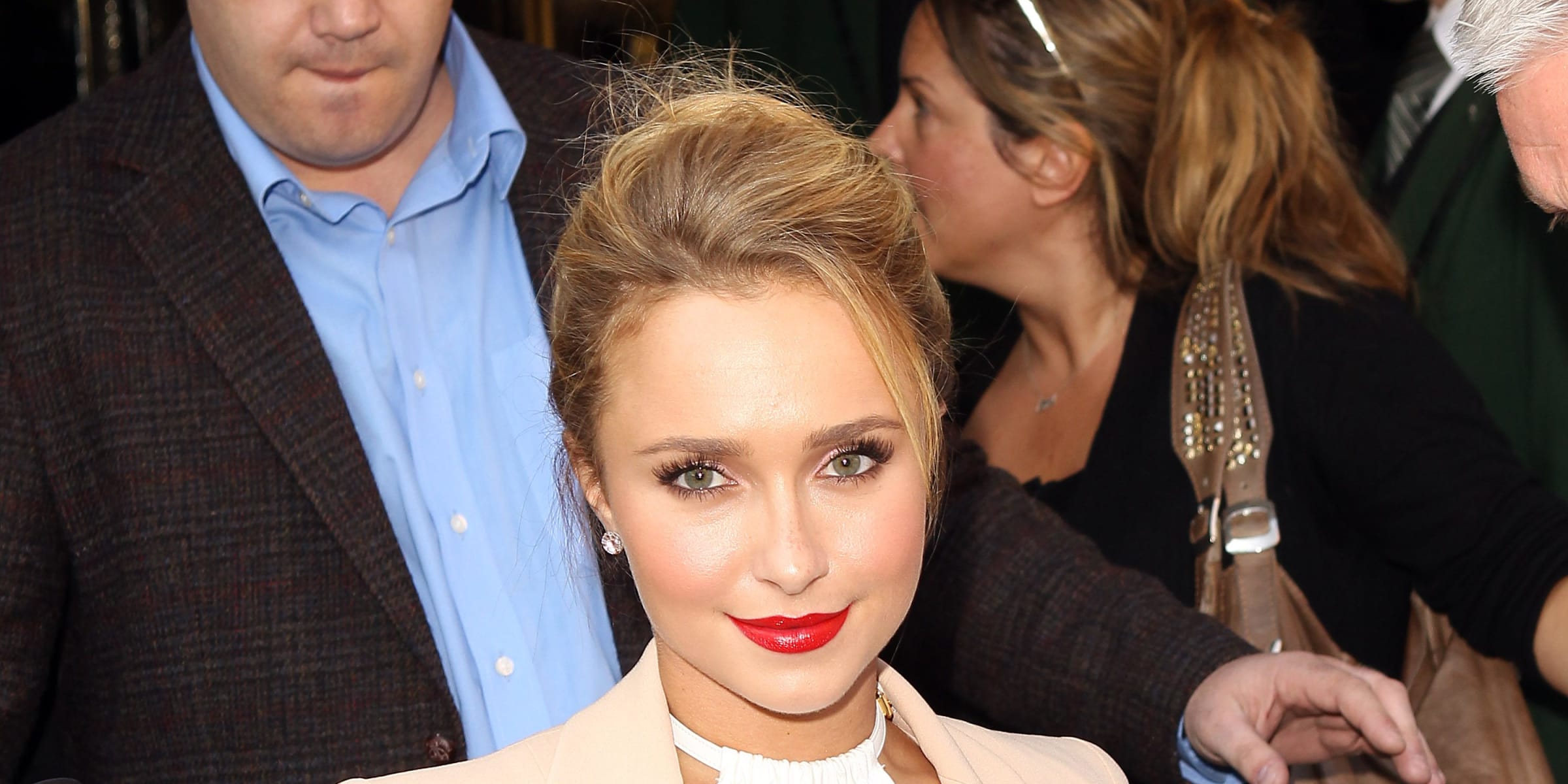

Presley Gerber | Source: Getty Images
Cindy Crawford’s Son Presley Gerber Was Trying to Change His Life Before His Death at 27 — What His Family Revealed About His Private Struggles

By
Paula Moskal
Sep 21, 2026 - 11:52 A.M.
When Cindy Crawford’s son Presley Gerber died at just 27, his family’s first public words were simple: they wanted privacy during an unbearably painful time. Yet Presley himself had spent the months before his death moving in almost the opposite direction — talking more openly than ever about what was happening in his life.
Advertisement
He spoke about changing his habits, reconsidering the people around him, struggling with his mental health, and trying to find a treatment routine he could understand. The polished son of one of the world’s most famous supermodels was increasingly willing to let people see the part of his life that was anything but polished.
Presley died on September 20 at a rehabilitation facility, according to records cited after his family confirmed his death. “The family is asking for privacy during this very difficult and painful time,” a representative for Cindy, Rande Gerber, and Kaia Gerber said, leaving the family’s earlier words about Presley to tell much of what came before.

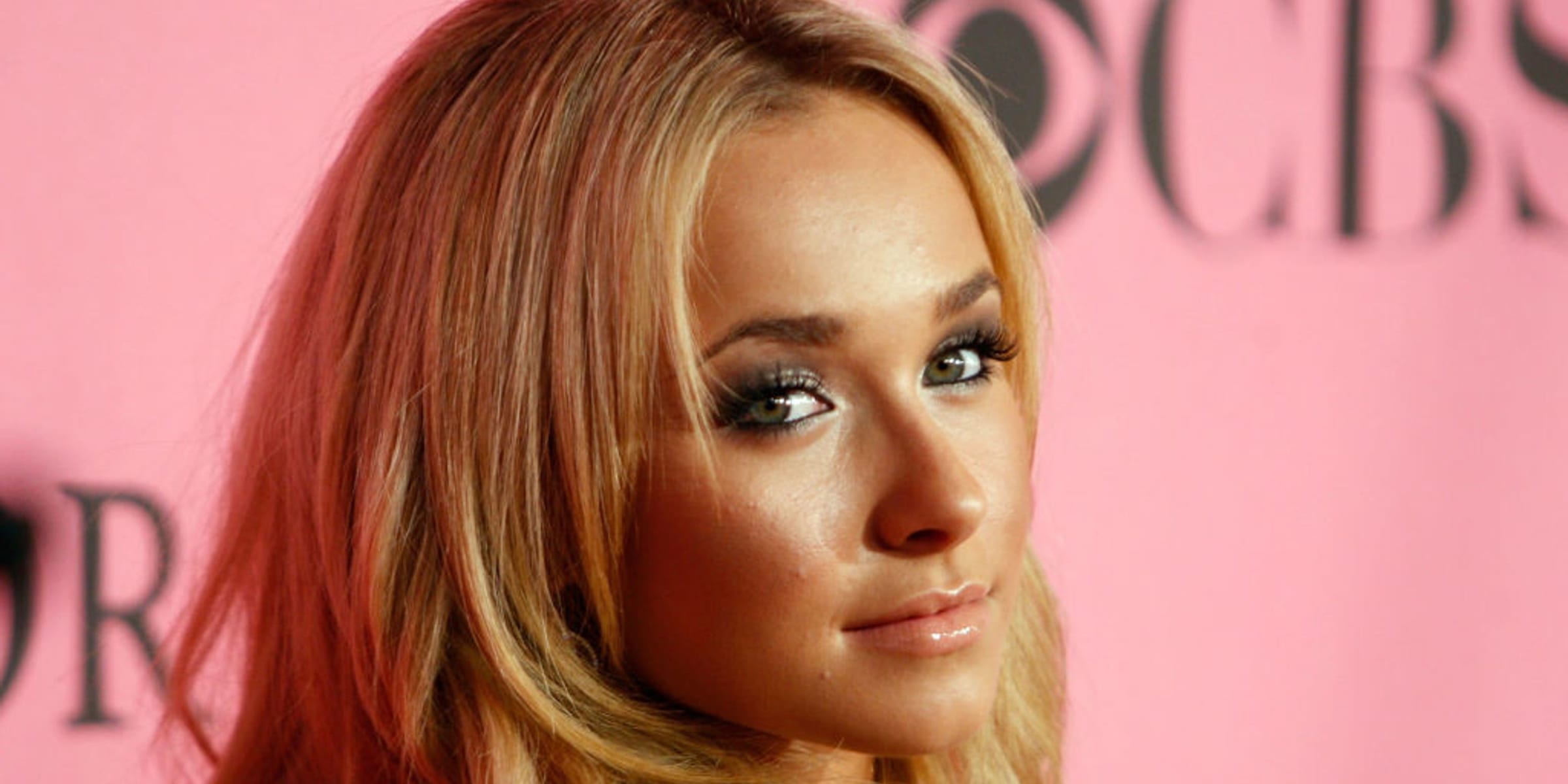
Presley entered modeling young and was signed with IMG Models, later walking for major fashion houses before mental-health advocacy became a much bigger part of his public life. | Source: Getty Images
At First, the Changes Were Easy to Miss
Advertisement
By December 2025, Presley was talking publicly about things that can sound surprisingly ordinary when someone is trying to reset his life. He revealed in an update about his routine that he had stopped drinking alcohol after his birthday in July, explaining simply, “That is no longer serving me.”
He was also working out, using the sauna, taking baths, and paying closer attention to the people around him. Presley said there were people from the Hollywood world he loved “to death,” but he was deliberately spending less time around some of them while trying to surround himself with better influences.
There was no sweeping announcement that he had suddenly become a different person. He was changing alcohol, routines, friendships, and his environment one piece at a time, but behind those everyday adjustments was another problem that sounded far harder for him to control.

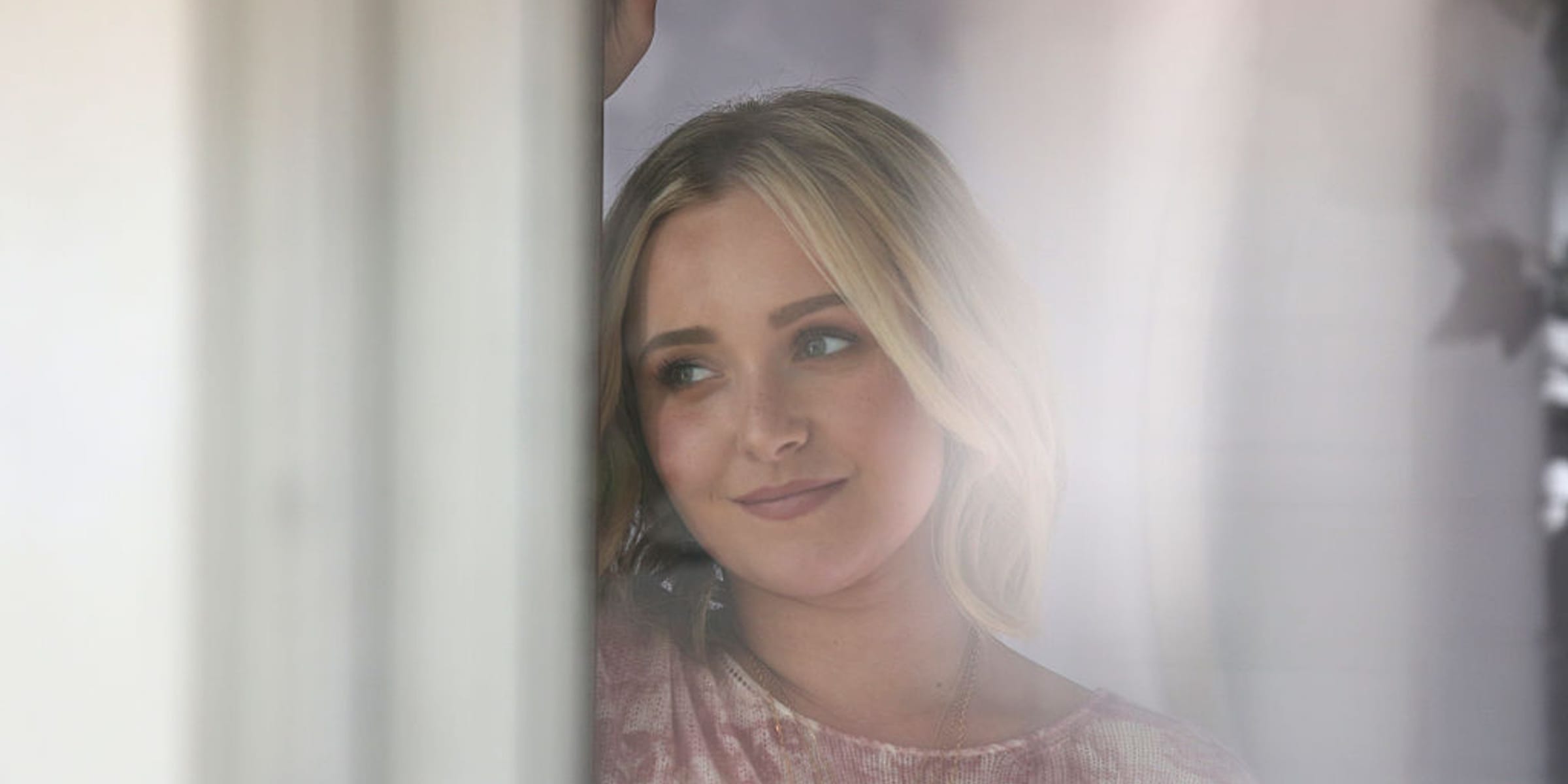
Presley had already talked about combining advocacy with his creative life, including considering a mental-health-inspired clothing line as he searched for ways to reach other people. | Source: Getty Images
Advertisement
He Kept Looking for the Help He Needed
In the same period, Presley opened up about panic attacks, medication, and the number of doctors he had seen while trying to find stability. Once, he said he had already been to 15 psychiatrists, yet still felt he did not have as much direction as he wanted. He had kept going back for help, but he still described a process that often left him unsure of what was actually supposed to work for him.
“Every psychiatrist I’ve had — I’ve had 15 — are like, ‘Here’s 20 medications and take this if you feel like this,’” he said, explaining that he wanted doctors to give him clearer instructions. He was also frank about the uncertainty surrounding his medications: “The doctors say a lot of different things, so it’s kind of scary.” That uncertainty remained part of his search for an approach that worked for him.
Presley said he hoped that between his own research, his doctors’ research, his faith, and time, they could “figure this out.” He was not presenting himself as someone who had found the answer, and a few months later, he allowed people to see how far he was still willing to go looking for one.

Presley debuted the word “Misunderstood” beneath his eye in February 2020, explaining, “I don’t feel very understood I guess.” By August 2021, he was photographed with no visible trace of the face tattoo, leading to reports that he appeared to have had it removed. |n Source: Getty Images
Advertisement
By Spring, the Tone Had Changed
In March 2026, Presley posted one of the rawest updates he had ever shared about recovery. He documented undergoing ibogaine treatment and wrote that he had been “absolutely terrified” before the experience began.
Advertisement
“Letting go of control didn’t come easy,” he wrote, before adding, “I faced what I had been running from, and somewhere in all of it, I started finding my way back to myself.” Presley ended the thought with a hope that sounded much less certain than a victory lap: he was “praying it’s the last time I have to come back.”
His family immediately appeared beneath the post. Cindy told him, “You are a warrior! Walked thru the fire to find yourself! So proud!” while Kaia wrote, “That’s my brother I am so damn proud,” and Rande praised his son’s courage.

Presley ended his treatment post by thanking the people who had cared for him and noting that he had made friends there — another small detail tucked inside a much heavier update. | Source: Getty Images
This Time, His Parents Were Right There
Presley answered his father with a short message of his own: “thank you pops learned it from you.” Weeks later, Presley, Kaia, Cindy, and Rande were photographed together again, with the entire immediate family appearing side by side less than 4 months before his death.
Advertisement
Then came June 11. Cindy and Rande accompanied their son to a mental-health-focused event in Malibu, where Presley joined a panel and made what would become his final public appearance, but this time he was not simply standing beside his famous parents for photographs.
Presley spoke about reaching a turning point around age 23 and trying to distinguish the noise he had been experiencing internally from the person he believed himself to be. “The most free I felt was when I was finally honest with myself,” he said, before offering simple advice for difficult days: move, go outside, get some sun, or simply lie on the grass if that is all you can manage.

The June event was tied to a bracelet collaboration whose proceeds were directed toward mental-health organizations, placing Presley’s own story inside a fundraiser for the same subject he was discussing onstage. | Source: Getty Images
Kaia Had Been Carrying Her Own Part of It
Advertisement
Only about 1 month before Presley’s death, Kaia spoke publicly about what his struggles had looked like from inside their family. In an interview, his history was described as a “decade-long struggle with drug addiction,” while Kaia explained that a problem affecting 1 child could quietly reshape life for the other.
“When something like that happens in a family, it kind of levels everyone,” she said. Kaia admitted that she began identifying herself as “the easy one” and became reluctant to ask her parents for help because it already felt as though they had 1 child who needed so much of them.
At the same time, she had watched Presley begin dismantling the privacy the family had lived with for years. Kaia called him an “absolute teacher” and recalled his attitude as: “I’m gonna be very human for everyone,” saying that trying to put a lid on difficult things could leave the person struggling feeling ashamed.

Kaia later said she deliberately avoided partying as a teenager because she never wanted to be the child who embarrassed her parents or jeopardized everything they had worked to build. | Source: Getty Images
Advertisement
Eventually, He Put a Reason Into Words
By the end of 2025, Presley was no longer leaving people to interpret a tattoo, a difficult public moment, or a change in his behavior on their own. He was speaking directly into a camera about what had been happening to him, even when he did not have a tidy answer for how to fix it.
While discussing his medication and mental health in a December video, Presley finally offered another piece of that story: “I’ve had a lot of loss in many different forms.” Then he immediately drew a line between explaining his situation and excusing it.
“That is not an excuse, but it’s a reason or a part of why I am where I’m at now,” Presley said. He never named every loss behind those words. But he was clear they were part of the story, even as he still called his choices his own responsibility.

Long before those adult conversations, Cindy was raising Presley and Kaia together; Kaia would later describe how having a sibling in crisis affected even the moments when she herself needed support. | Source: Getty Images
Advertisement
But He Didn’t Want the Story to Stop With Him
Presley had already begun explaining what he hoped to do with those difficult years back in 2023. During the Studio 22 podcast, he said, “[Mental health] is an issue. It is such a big part of my life. It’s a 24/7 job, and there’s so much to it.”
Then he explained what he hoped that openness could offer someone else: “That’s really what I want to do: help people, whether you’re depressed, you’re struggling with something that is having a negative effect on your body. I mean it could be anything, and there’s no judgment.” For Presley, talking openly was becoming part of the same process as trying to understand his own struggles.
And when he spoke about what kept him personally invested in that goal, his answer became even more specific. “That’s what’s getting me out of bed these days … is that hope that I’ve made the mistakes for a lot of people,” Presley said. “If they’re like me, well, then they’re going to want to do it the hard way. But if they want to listen, then I could save them a lot of hardship and a lot of struggling.”
Advertisement
By the End, Those Plans Had Moved Off His Phone
Presley’s advocacy was developing alongside his own attempts at recovery, not after them. The same experiences he was still trying to work through — therapy, medication, treatment, fear, and mistakes he wished he had avoided — were becoming the experiences he hoped might help someone else.
That had started with conversations, social-media posts, and a project called Mental Health Mondays, where he wanted to involve professionals who had helped him. By June 2026, he was sitting on a public mental-health panel with Cindy and Rande nearby, doing in person what he had said 3 years earlier he hoped to do for other people.
He was still describing fear, medication, recovery, and days when simply getting outside felt like an accomplishment. But he was also staying away from alcohol, reconsidering his circle, returning to treatment, talking about loss, and putting fewer walls around a struggle his family had once handled much more privately.
Presley died at 27 with much of that work still in motion. His own words leave the clearest thread running through those final years: he wanted people going through something similar to know someone else had been there. He hoped what he’d learned the hard way might spare somebody else the same struggle.
Advertisement

By June 2026, Presley had taken that advocacy beyond social media, joining a public mental-health panel in Malibu while Cindy and Rande sat nearby — just 3 months before his death. | Source: Getty Images
Advertisement

The information in this article is not intended or implied to be a substitute for professional medical advice, diagnosis or treatment. All content, including text, and images contained on ondoho.com, or available through ondoho.com is for general information purposes only. ondoho.com does not take responsibility for any action taken as a result of reading this article. Before undertaking any course of treatment please consult with your healthcare provider.