
Elden Campbell | Source: Getty Images
Former NBA Champion Elden Campbell Dies at 57
Dec 03, 2025 - 08:33 P.M.
He died without warning after a peaceful day out — now, his family's words and the league's grief reveal just how deeply the athlete was loved and respected.
Advertisement
Elden Campbell, the towering center known as "Easy E," has died unexpectedly at 57. The sudden loss of the former National Basketball Association (NBA) star has shaken the basketball world — and now, someone close to him is speaking out about his final moments.
As tributes pour in from teammates, coaches, and legends of the game, Campbell’s strength and lasting impact are being remembered by all who knew him.

Elden Campbell looks on during warmups as a member of the Charlotte Hornets before a game against the Raptors in Toronto on November 20, 2000 | Source: Getty Images
Basketball Team Confirms Sudden Death of Beloved Champion
The Detroit Pistons confirmed his passing on Wednesday, December 3, 2025, in a heartfelt Instagram post, remembering him as a key figure in their title-winning team who played a vital role in one of Detroit's most successful seasons.
Advertisement
In their tribute, the Pistons called him a "proud member of our 2004 NBA Championship team" who "patrolled the paint with strength and skill." They also praised his impact off the court, "Elden's calm presence and warm personality made him beloved by teammates, fans, and the community alike."
Advertisement

Elden Campbell shares a laugh with Detroit Pistons teammates Corliss Williamson and Lindsey Hunter during Game 3 of the NBA Finals in Auburn Hills on June 10, 2004 | Source: Getty Images
Final Hours Revealed: Family Breaks Silence on Elden Campbell's Sudden Death
According to the New York Post, Campbell's sister, Sandra, revealed the heartbreaking final moments of his life: he had gone fishing in Florida on Monday, December 1, and collapsed suddenly after returning to shore. "It was all of a sudden," she said. "He wasn't sick. He was out fishing."
Advertisement
The family now awaits results from the medical examiner and refuses to speculate. "We don't know what happened," she added. "He was such a big pillar and a staple to our family. He's going to be terribly missed."

Detroit Pistons' Elden Campbell in Auburn Hills, Michigan, on November 2, 2004 | Source: Getty Images
In a touching family statement released through the NBA, Campbell was remembered as a man defined not just by stats, but by faith, love, and character:
"Elden was a man of faith who trusted in his lord and savior Jesus Christ. Husband, father, brother, cousin and friend. He was a man to whom family meant everything -- generous, funny, disciplined and kind, but could shut you down if required. A man of God, he passed doing what he loved; fishing out on the ocean, enjoying his idea of an ideal day."
Advertisement

Elden Campbell battles Kwame Brown of the Wizards while playing for the Charlotte Hornets in Charlotte on April 5, 2002 | Source: Getty Images
Heartfelt Tributes From Coaches, Legends, and Former Teams
Following news of his tragic passing, tributes flooded in from across the basketball world, honoring Elden Campbell’s legacy both on and off the court.
Clemson University, where Campbell starred from 1986 to 1990, mourned the loss of their all-time leading scorer. In a heartfelt Instagram post, the school hailed him as "an All-American," a three-time All-ACC selection, and one of the program's greatest players.
Advertisement
On X, the Los Angeles Lakers paid tribute to their former center by posting a striking close-up photo of Campbell, accompanied by a short, heartfelt message expressing their sorrow over his passing.
NBA icon Earvin "Magic" Johnson, who played alongside Campbell in Los Angeles, shared a deeply personal message on the same platform.
He remembered Campbell as a gentle soul blessed with extraordinary athleticism, fondly recalling the thrill of throwing alley-oops to him during their time together. Johnson also offered prayers to Campbell's family and to Lakers Nation, united in grief over the loss.
Advertisement
A Quiet Giant With a Lasting Legacy on the Court
Nicknamed "Easy E," Campbell's NBA journey spanned 15 years. He played 618 games for Los Angeles, averaging 10.4 points, 5.8 rebounds, 1.1 assists, and 1.7 blocks per game.
He would go on to play for the Charlotte Hornets (1999–2002), New Orleans Hornets (2002–03), Seattle SuperSonics (2002–03), Detroit Pistons (2003–05), and New Jersey Nets (2004–05).
Advertisement

Elden Campbell passes the ball while playing for the Los Angeles Lakers against the Clippers at the Great Western Forum in Inglewood on January 29, 1999 | Source: Getty Images
His time with Detroit was especially memorable, 95 games across two seasons, including a crucial role in the Pistons' 2004 NBA championship run.
Advertisement
At Clemson, Campbell built a legacy that endures to this day. He remains the school's all-time leader in career points (1,880) and field goals made (754).
His name is still all over the record books — tied for first in double-figure scoring games (97), second in blocked shots (334), and third in 20-point games (34). He also ranks seventh in made free throws (369) and eighth in career rebounds (836).

Elden Campbell shoots the ball while playing for Clemson University during a game in the late 1980s | Source: Getty Images
During his senior year, he helped lead the Tigers to their first — and only — ACC regular-season title, and a Sweet 16 appearance in the National Collegiate Athletic Association (NCAA) Tournament.
Alongside teammate Dale Davis, he earned Honorable Mention All-American honors—the only time two Clemson players achieved that in the same season.
Advertisement
Just days before Campbell's passing, the basketball world lost another beloved figure — former NBA forward and Wake Forest star Rodney Rogers. He was 54.
Advertisement
The heartbreaking news was confirmed by his wife, Faye Rogers, who shared a deeply personal and moving statement.

Rodney Rogers. | Source: Getty Images
Wake Forest Athletics, where Rogers built his early legacy, also confirmed the news, honoring him as "one of the most transformative players in program history."
"He made his transition peacefully, surrounded by the endless love of his devoted wife, Faye," his wife's statement read, a rare look into the tender final chapter of a man whose presence was once as commanding as his heart was steady.

Rodney Rogers during his career days as a basketball player, as seen from a video post dated July 19, 2018. | Source: YouTube/PhoenixSuns
Advertisement
A Crash That Changed Everything
Rogers' life took a tragic and irrevocable turn on November 28, 2008. While riding dirt bikes with a friend, he was flung over the handlebars and into a ditch he hadn't seen in time to brake.
The impact shattered the C3 and C4 vertebrae in his neck, leaving him instantly paralyzed from the neck down. It was a moment that marked the end of one kind of career — and the beginning of another life entirely.
He was rushed to Duke Hospital before being transferred to the Shepherd Center in Atlanta, where doctors stabilized his blood pressure, heart rate, and breathing.

Former Wake Forest Demon Deacon men's basketball coach Dave Odom (right) talks with former basketball player Rodney Rodgers at BB&T Field in Winston Salem, North Carolina on September 19, 2009. | Source: Getty Images
The road ahead was grueling. Months of intensive rehabilitation followed, along with a complete reliance on medical care. But through it all, Rogers fought.
Advertisement
Eighteen Years of Resilience and Quiet Strength
Returning to Durham just three months after the crash, Rogers slowly began to adapt to a new reality — one that required constant care — and a deep well of courage. His wife stood by him every step of the way.

Rodney Rogers after his accident, as seen from a video post dated March 15, 2013. | Source: YouTube/ACCDigitalNetwork
Even in paralysis, Rogers' voice never went silent. He became a powerful advocate for spinal cord injury awareness and resilience, showing the same grit off the court that once defined his play.
In a 2013 interview with the ACC Network, when asked what he wanted people to take from his journey, he grinned and said, "It's hard to keep a good man down."
Advertisement
From Durham Bull to NBA Sixth Man
Meanwhile, before the accident, Rogers had been a fearsome presence on the court. Nicknamed the "Durham Bull" during his high school days, he burst onto the college basketball scene at Wake Forest in the early 1990s. He was named ACC Freshman of the Year in 1991, First Team All-ACC in 1992, and ACC Player of the Year in 1993 after leading the Demon Deacons to the Sweet 16.
According to the university, he remains the only player in Wake Forest history to receive both major ACC honors. Rogers left Wake Forest after his junior season and entered the NBA Draft, where the Denver Nuggets claimed him with the ninth pick in 1993. His career stretched across seven teams and a dozen seasons, during which he averaged 11 points a night.
One of his brightest peaks came in 2000, when his spark off the Phoenix Suns' bench earned him the NBA Sixth Man of the Year award. He retired in 2005.

Rodney Rogers shakes hands with NBA Commissioner David Stern after being selected ninth overall by the Denver Nuggets. | Source: Instagram/nbahistory
Advertisement
Wake Forest Remembers Its Giant
However, his impact went far beyond stats. In a 2018 tribute video, former teammate Jason Kidd described him as the type of player who "was kind of your bodyguard," commending both his toughness and shooting finesse. Eddie Johnson praised his unmatched versatility, while Stephon Marbury highlighted the way defenders had to guard him far beyond the arc.

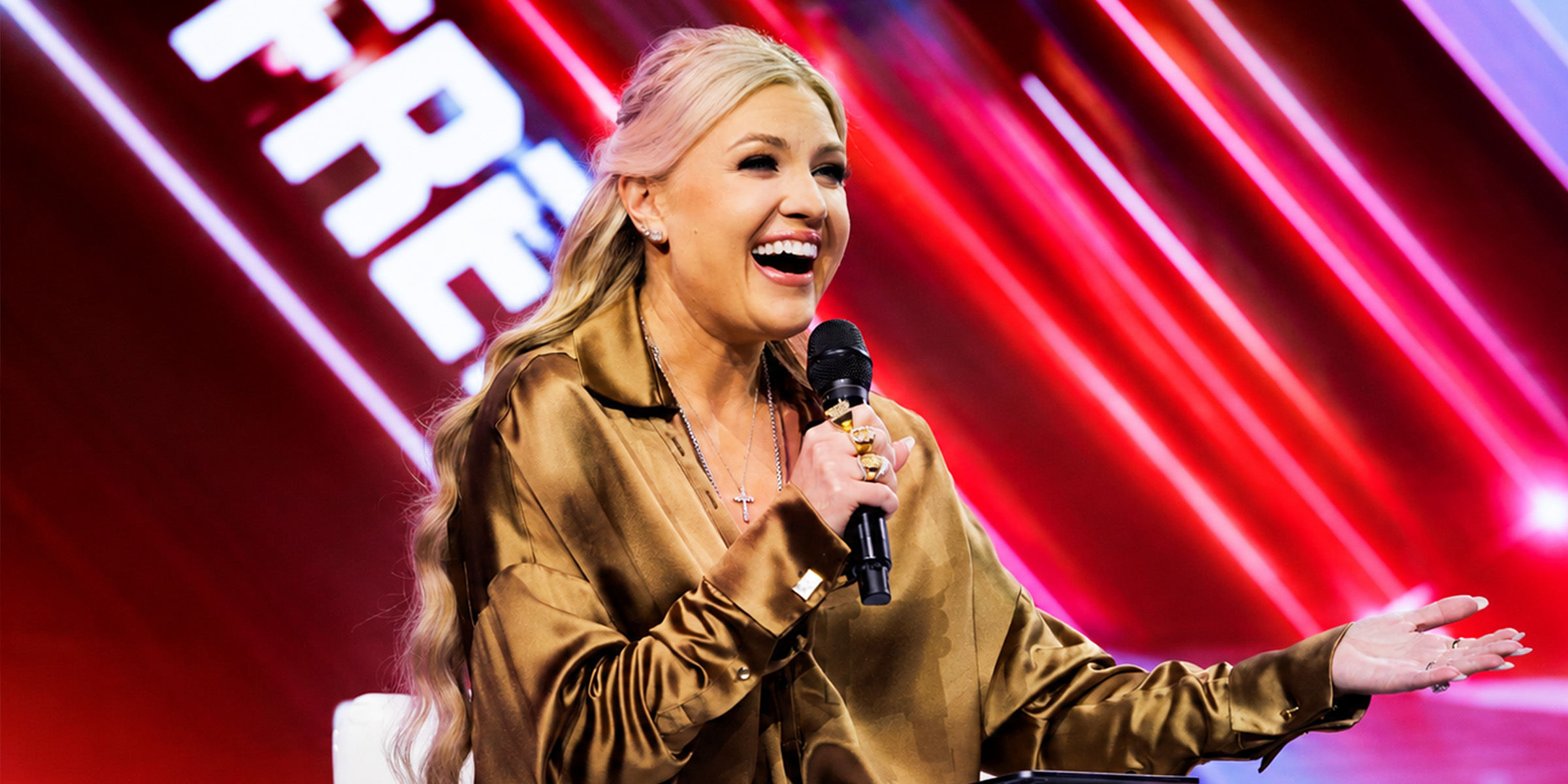
In 2022, the university recognized him with its Distinguished Alumni Award and an honorary Doctor of Humane Letters, a pair of honors meant to acknowledge not only his impact on the court but the resolve he showed long after leaving it.

Stephon Marbury talks about Rodney Rogers, as seen from a video post dated July 19, 2018. | Source: YouTube/PhoenixSuns
After his death on November 21 from natural causes related to the catastrophic spinal cord injury from the dirt bike accident, his wife noted how the Wake Forest and NBA communities had quietly carried their family through the hardest moments.
Advertisement
Current and former Wake Forest leaders have also emphasized the magnitude of his impact. In statements published by the school's athletics department, Vice President and Director of Athletics John Currie credited Rogers with dramatically advancing the university's trajectory.
President Susan R. Wente further emphasized the strength and humility he carried into every part of his life. And in remembering him, former head coach Dave Odom said athletes of his stature were exceedingly uncommon in the ACC.

A photo of Rodney Rogers's number 54 jersey, as seen from a video post dated July 19, 2018. | Source: YouTube/PhoenixSuns
Rogers' Number 54 jersey remains retired at Lawrence Joel Veterans Memorial Coliseum, a permanent tribute to his irreplaceable role in Wake Forest history.
A Family's Loss, a Community's Mourning
Advertisement
Shortly after his passing, the NBA honored him across its social platforms, sharing messages that reflected the widespread admiration and gratitude he inspired throughout the basketball community.
His family includes his wife, his daughters, Roddreka and Rydeiah; his sons, Rodney II, Devonte, and Eric Hipilito; and his mother, Estelle Spencer, all of whom carry his memory forward.
Advertisement
The university's athletic department expressed its sympathy to the Rogers family and to everyone who drew inspiration from Rogers' life and career.
His passing closes a remarkable chapter, but the legacy he built — in competition, in recovery, and in every moment that demanded strength — will endure.
Advertisement