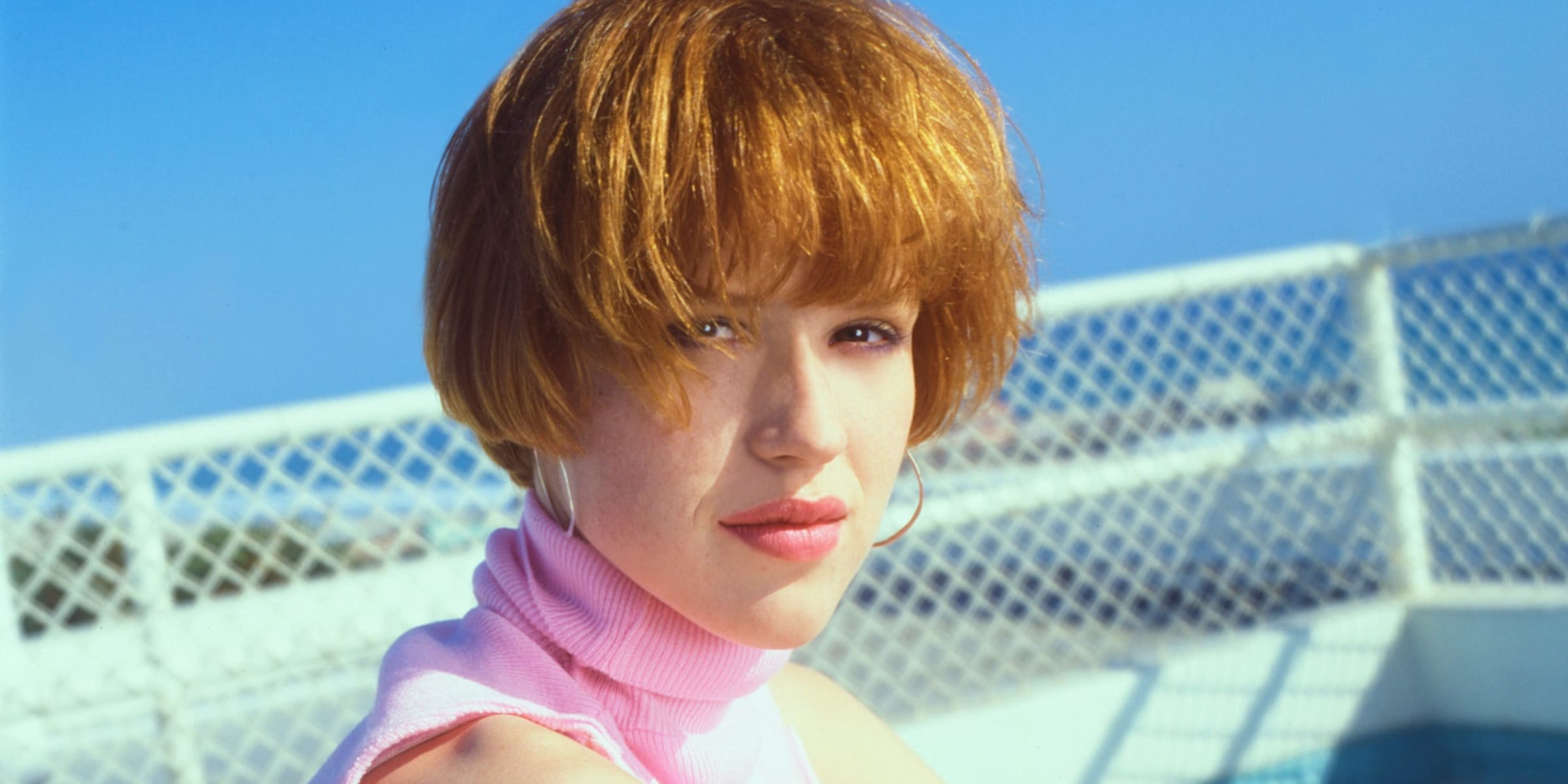

Pamela Anderson | Source: Getty Images
Pamela Anderson Got People Talking With Her New Magazine Cover

Dec 10, 2025 - 11:01 A.M.
A lesson in quiet power: Pamela Anderson's barefaced era is really about letting herself be seen.
Advertisement
Pamela Anderson's latest People magazine cover isn't simply a beauty moment. It's the continuation of a quiet revolution she's been building for years — one rooted in letting herself be seen without the armor she once needed to survive a culture that loved her image more than her humanity.
The real tension here isn't whether her eyebrows have been adorned with the faintest hint of an eyebrow pencil or whether the photo was lightly edited.
It's that Anderson is rewriting a decades-long narrative in real time, and not everyone knows what to do with a woman who refuses the performance they're accustomed to.
Advertisement
A Barefaced Image That Sparked a Loud Conversation
On the cover, Anderson appears with a bare face, tousled slightly copper-red curls, and a soft blue knit sweater — a far cry from the high-glam, high-maintenance bombshell persona she carried through her "Baywatch" and Playboy years.
The magazine calls it a "new era," and it arrives as Anderson steps into a seasoned, self-assured professional chapter, with projects like "The Last Showgirl," "The Naked Gun," and a new comedy directed by Michael Cera. She says she's "ready for action."
Switching up her looks and style, while surprising, isn't entirely new — earlier this year, she debuted a short bob while attending an industry event — but on this cover, the calmness and vulnerability feel amplified.
Advertisement
Her expression is open, almost unguarded, offering the kind of intimacy that rarely survives the machinery of Hollywood image-making.
And yet the internet's reaction followed a familiar script. One commenter wrote, "@pamelaanderson but is it really no make up? Genuine question because when I zoom in I definitely see the faintest eyebrow pencil. 🙇🏻♀️🌹❤️ [sic]."
Another chimed in with, "Just a facelift in the past," while someone else similarly claimed, "But lots of filters 😂." The skepticism escalated as another viewer insisted, "No makeup but plenty of botox [sic] and fillers 😂," while others questioned the validity of coloring her hair if the goal was full naturalism.
Still, not all reactions were critical — one admirer simply praised her appearance with an enthusiastic message expressing how fabulous they thought she looked.
Advertisement
Why This Strikes a Nerve
To understand why this moment creates so much chatter, you have to zoom out and look at the path Anderson has been on.
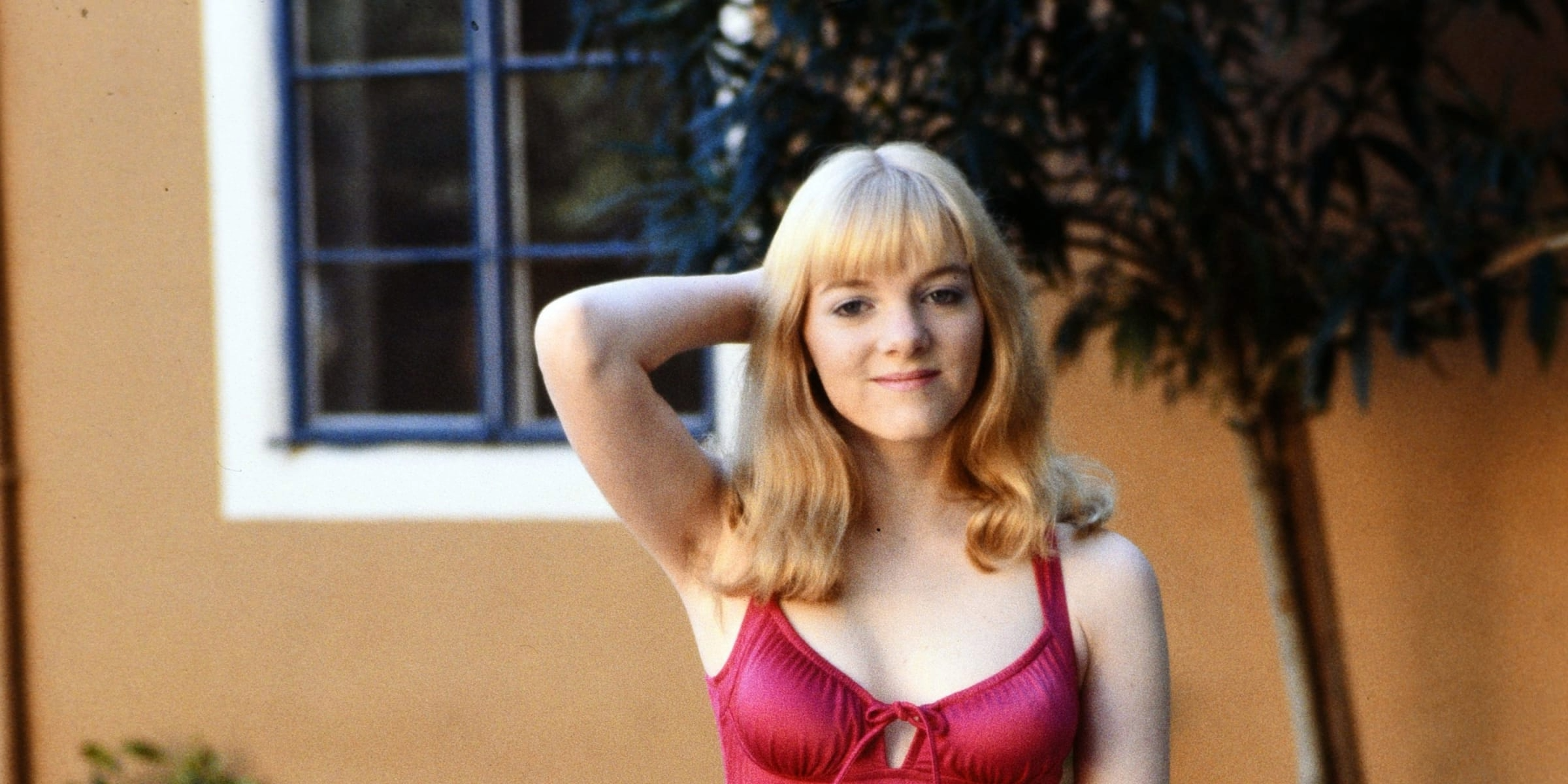
Her face has long been a cultural flashpoint — an icon of 90s fantasy, the woman whose look became a Halloween costume, a shorthand for a certain kind of impossible femininity. That kind of spotlight doesn't just shape a career; it shapes an identity.
So when Anderson strips things back, it disrupts the familiar. Suddenly, she's not offering the image people built their nostalgia around — she's offering herself.
Her pivot began gaining traction at Paris Fashion Week in 2023, when she walked in without makeup and unintentionally set off a media storm. She later told Allure, "At fashion week, I did that for myself. It wasn't to make a political statement. I just wanted to have my little weird face sticking out of the top of those great clothes… why am I playing the game?"

Pamela Anderson at the Vivienne Westwood Womenswear Spring/Summer 2024 show during Paris Fashion Week in France on September 30, 2023. | Source: Getty Images
Advertisement
That last question — Why am I playing the game? — tells you everything about the internal recalibration happening. It's not rebellion for the sake of spectacle. It's a woman choosing honesty over presentation, even while knowing the internet may dissect her every pore.
In that same interview, Anderson explained her sense of coming home to herself:
"I've been on this journey, from Playboy to 'Baywatch' — all these Halloween costumes, I like to say — and now come back home to self-love and self-acceptance. It's not just about makeup, taking off the mask, but it's about why am I here, what's my purpose, why do I resonate with people, can I help in any way?"

Pamela Anderson at the CCAM Awards in Sydney, Australia in December 1994. | Source: Getty Images
The vulnerability resonated with many. When a writer questioned whether her barefaced fashion-week look was a publicity stunt, readers pushed back fiercely. Some comments essentially said: Leave her alone, she's doing something great for womanhood.
Advertisement
Unlike her loyal fanbase, Anderson didn't take the bait. She responded to the writer's comment with humility, "I don't think you should give me the credit of [sic] it being a stunt because that's not how I think." She framed her shift as a "conscious choice" — something earned through years of inner work, not a single Instagram-ready moment.
"I feel much more sensual in my own skin…it's much more intimate and vulnerable…kind of like this is how your boyfriend sees you, without makeup. It's almost sexier, I think," Anderson divulged.
Advertisement
And importantly, she never casts herself as anti-beauty. "My intention is to accept where you are in your beauty journey. I love makeup, too, by the way," she admitted at another point during the interview.
She's clear about what she's tried, too:
"I've tried Botox, I've tried filler, but I haven't had anything like that for over three or four years. My skin is very sensitive [...] I've done Botox where my eyebrows just fall immediately and I look like a different person… and I thought why am I doing this [expletive]? So I'm free and clear of that stuff and I look like myself again [sic]."
This transparency is what sets her apart. Anderson isn't posturing as the untouched woman with mystical genetics. She's acknowledging experimentation, mistakes, discomfort, and the deep desire to feel authentic — a journey many women quietly relate to.
And her evolving hair tells a similar story. Months before the People cover, she debuted a short bob while attending the 2025 Tory Burch Foundation Founders Breakfast honoring Martha Stewart — though the cut was hidden beneath a bucket hat, leaving fans unsure if she had truly committed to the chop.
By May's Met Gala, there was no doubt. She stepped onto the carpet in a shimmering silver gown and her then-new hairdo, telling interviewers, "It's very fitted, very exciting. I love it because I feel like I'm the best version of me right now."
Advertisement
Hair, makeup, skin — all these tiny, highly visible choices are becoming her way of pulling away from the over-glammed version of herself the world created. She's replacing spectacle with sincerity, layer by layer.
Advertisement
A Fair Observation About Modern Naturalism
Advertisement
Some observers argue that calling any major magazine cover makeup-free feels misleading, given that lighting, retouching, and professional styling play an undeniable role.
From that perspective, the skepticism isn't always cruel — it leans more toward confusion about where authenticity fits in a hyper-edited world. If the public has trouble trusting what they see, that distrust didn't come from Anderson; it came from an industry built on illusion.
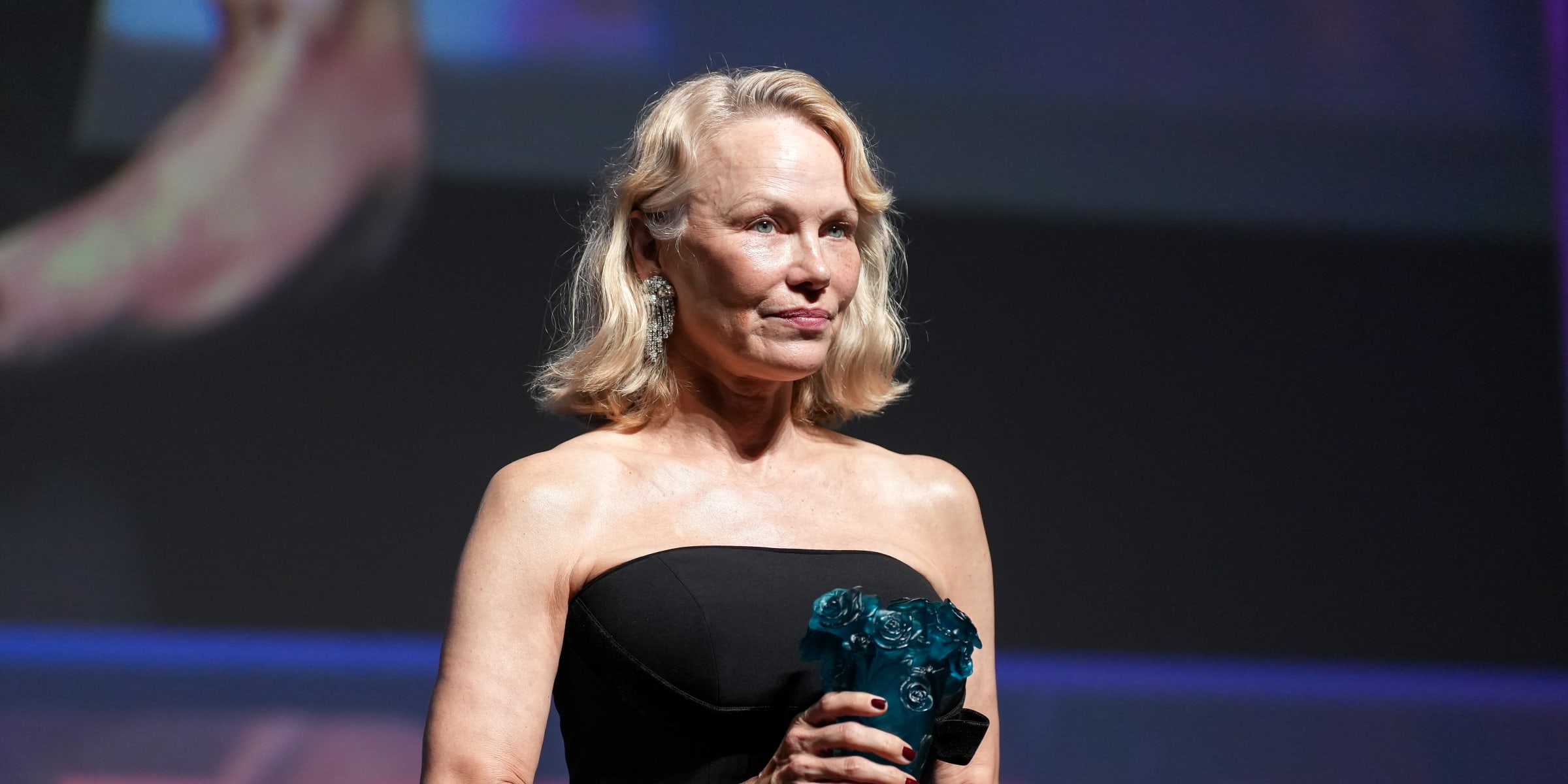
But even this counter-take underscores the larger point: we're still learning how to talk about women who step outside perfection culture without demanding proof of purity.
Advertisement
The Point Isn't Purity. It's Permission.
Pamela Anderson isn't asking to be seen as a paragon of untouched beauty. She's modeling something quieter and more meaningful: permission to evolve. Permission to soften. Permission to revisit your reflection and choose a different relationship with it.
Advertisement
At 58, she's dismantling the idea that aging requires camouflage — and doing it with a tenderness that feels surprisingly radical in a world obsessed with reinvention-by-force. Her bare face isn't the message. Her comfort is.
What Her Shift Invites Us to Consider
Anderson's new era taps into that quiet courage. And maybe that's why people can't stop talking about it.
Have you ever had a season of life where simplifying your routines — or simply dropping the performance you once thought was required — felt like breathing again?
Advertisement

The information in this article is not intended or implied to be a substitute for professional medical advice, diagnosis or treatment. All content, including text, and images contained on ondoho.com, or available through ondoho.com is for general information purposes only. ondoho.com does not take responsibility for any action taken as a result of reading this article. Before undertaking any course of treatment please consult with your healthcare provider.