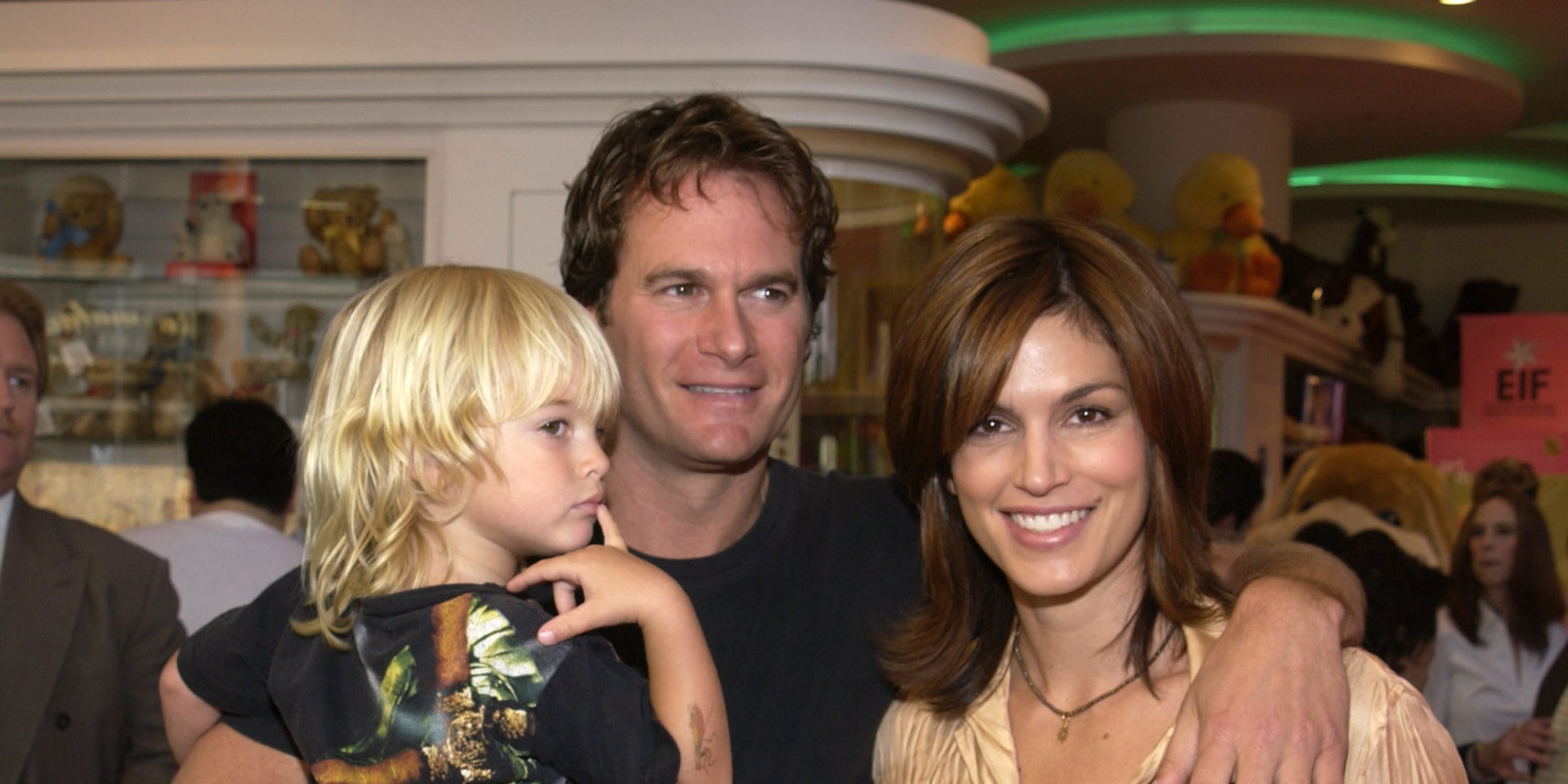

Presley Gerber, Cindy Crawford, Rande Gerber | Source: Getty Images
Inside Presley Gerber’s Final Days as New Details Raise Questions About His Last Hours

By
Paula Moskal
Sep 22, 2026 - 10:41 A.M.
For years, Presley Gerber did something many people find difficult even in private: he admitted when he was not doing well. He talked about depression, addiction, treatment, mistakes, and the days when simply trying again became part of his routine.
Advertisement
Only months before his death at 27, he was still speaking publicly about recovery with Cindy Crawford and Rande Gerber nearby. By September, though, people around him had begun noticing that something about Presley seemed different.
Then came 1 more attempt to get help. Presley entered a Santa Monica recovery residence on a Saturday night, and before the following morning was over, police, firefighters, and paramedics would all be at the same address.

Presley once recalled realizing how unusual his childhood was through the way strangers reacted to his mother: “It was definitely the attention,” remembering people saying, “Oh my God, that’s Cindy Crawford.” He grew up accustomed to being recognized through his famous family — years before he began speaking publicly about the much more private struggles happening behind that familiar image. | Source: Getty Images
The Pictures Never Told This Part
Presley had grown up in a family that looked almost effortlessly polished in photographs. Cindy was already 1 of the world’s best-known models, while Presley and his younger sister, Kaia, eventually entered the fashion world themselves.
Advertisement
But as Presley moved through his 20s, the surrounding conversations became less about runways and red carpets. In 2023, he spoke openly about depression, therapy, and mistakes he had made while trying to understand what was happening to him.
He was not talking from the other side of a perfectly finished recovery story. Presley was still figuring things out, and he increasingly chose to let people see that process while he was living it.

Even after becoming more open about his mental health, Presley admitted that talking so publicly about what he was going through could feel “kind of scary.” He had also said there were periods when he was not drinking alcohol as he tried to take better care of himself. | Source: Getty Images
Depression, panic attacks, medication, therapy, addiction, and the work of staying well all became subjects he was willing to discuss. Some stretches of his life appeared steadier than others, while treatment, sobriety, setbacks, and another attempt at recovery kept appearing in the same story.
Advertisement
Presley did not talk as though recovery had happened once and then stayed fixed. There were periods when he seemed to be making progress, followed by moments when the problems he had been trying to leave behind returned.
By the time he was speaking so openly, drugs had already brought him frighteningly close to death once before. It was an experience he would later choose to discuss rather than bury.

Presley described mental health as “a 24/7 job,” saying it had become “such a big part of my life” even during periods when things appeared steadier from the outside. | Source: Getty Images
Advertisement
This Wasn’t the First Time
In 2024, Presley revealed that his opioid addiction had once led to a near-fatal fentanyl overdose. He said he ended up in a coma for several days.
He survived the immediate medical crisis and eventually spoke publicly about what had happened. The overdose became another part of his life that he no longer wanted to keep completely hidden.
His problems with substances had surfaced publicly years earlier as well. In 2019, when Presley was 19, a DUI case resulted in 3 years of probation, a DUI program, and community service.

After Presley’s 2019 DUI case, his attorney said the then-19-year-old “takes this very seriously.” | Source: Getty Images
What followed was not a single uninterrupted period of recovery. Presley moved through treatment, periods of sobriety, and renewed problems while continuing to talk about what he was going through.
Advertisement
His family remained visible around him during many of those years. Cindy, Rande, and Kaia still appeared with Presley publicly, even as his conversations about life became much more personal than anything people could see in a family photograph.
By the summer of 2026, Presley was preparing to talk about recovery in front of an audience again. This time, both of his parents were there to hear him, and the appearance would become his last public one.
Then Came One of His Most Honest Moments
On June 11, Presley made what would become his final public appearance at a mental health event in Malibu. He spoke on a panel about addiction, medication, vulnerability, and what he had learned during treatment.
Cindy and Rande were there, and Presley was photographed smiling between his parents. A little more than 3 months later, the same family would be facing his death.
Presley also talked about what he did when his own thoughts became difficult. His advice was simple: move, go outside, get some sunlight, and do something physical rather than staying stuck in 1 place.
Advertisement
That appearance came after Presley had tried another form of treatment earlier in 2026. He underwent ibogaine treatment in Mexico as part of another effort to address his addiction.
Before doing it, Presley admitted he was “absolutely terrified.” Afterward, he wrote, “I faced what I had been running from.”
He ended the post with a line that sounded hopeful at the time. “Praying it’s the last time I have to come back,” Presley wrote.

Kaia once called Presley “an absolute teacher” in their family because of how openly he shared what he was going through. She recalled him essentially saying, “I’m gonna be very human for everyone.” | Source: Getty Images
Something Was No Longer the Same
By September, someone who knew Presley had begun noticing a shift. The change was not described as a single dramatic incident or an obvious public breakdown.
Advertisement
“He seemed a little off in recent weeks. Something was just not there,” the person said. Then came another observation: “Energetically, he didn’t seem like himself.”
The same person described 3 uncertainties Presley was reportedly wrestling with. He “felt like he was lacking purpose in his life,” “hadn’t really found his place,” and “didn’t really know where he wanted to go and what he wanted to do.”
Presley had tried to follow Cindy and Kaia into modeling, but by 27, he was reportedly still trying to figure out what direction felt like his own. Those questions were unfolding alongside the addiction and mental health struggles he had already been discussing publicly for years.
Advertisement
The place Presley entered next was described as a “structured recovery residence” rather than a traditional hospital or detox unit. It catered to people dealing with substance use, mental health conditions, trauma, and co-occurring disorders.
The 7-bedroom residence was reportedly worth around $7.7 million and advertised staff on-site around the clock. Other amenities included prepared meals, a gym, and a movie theater.
Presley arrived there on Saturday night for another attempt at treatment. By the following morning, that attempt to get help had become an emergency.

n a 2025 video, Presley said he had seen as many as 15 psychiatrists and was deliberately distancing himself from some people in Hollywood because he wanted “good influences” around him while working on his mental health. | Source: Getty Images
The Clock Was Already Running
Presley had entered the Santa Monica residence seeking help with substance-use problems. He had been there only a matter of hours when emergency services were called the following morning.
Advertisement
At approximately 9:35 a.m. on Sunday, police and other first responders were sent to the property. The dispatch audio included 2 striking terms: “cardiac arrest” and “overdose.”
Those few words were among the first public details to emerge from the morning. The official cause and manner of Presley’s death have not yet been determined.
Sunday Morning Brought a Different Reality
When officers reached the residence, they found an unresponsive person at the property and began life-saving measures. Firefighters and paramedics also responded, but Presley could not be revived.
The 27-year-old was pronounced dead. Police have said they do not suspect foul play, while the medical examiner continues additional testing.
Authorities are also trying to determine whether a substance played a role and where any suspected drugs may have come from. Presley had entered the residence only hours earlier, leaving questions about what happened during his brief stay.

Presley had said that speaking publicly about what he was going through could be “kind of scary,” yet he continued returning to those conversations instead of presenting his recovery as simple or complete. | Source: Getty Images
Advertisement
For Cindy, Rande, and Kaia, the emergency came after years of watching Presley try different ways to get better. He had survived an overdose, returned to treatment, spoken about depression, and continued searching for another way forward.
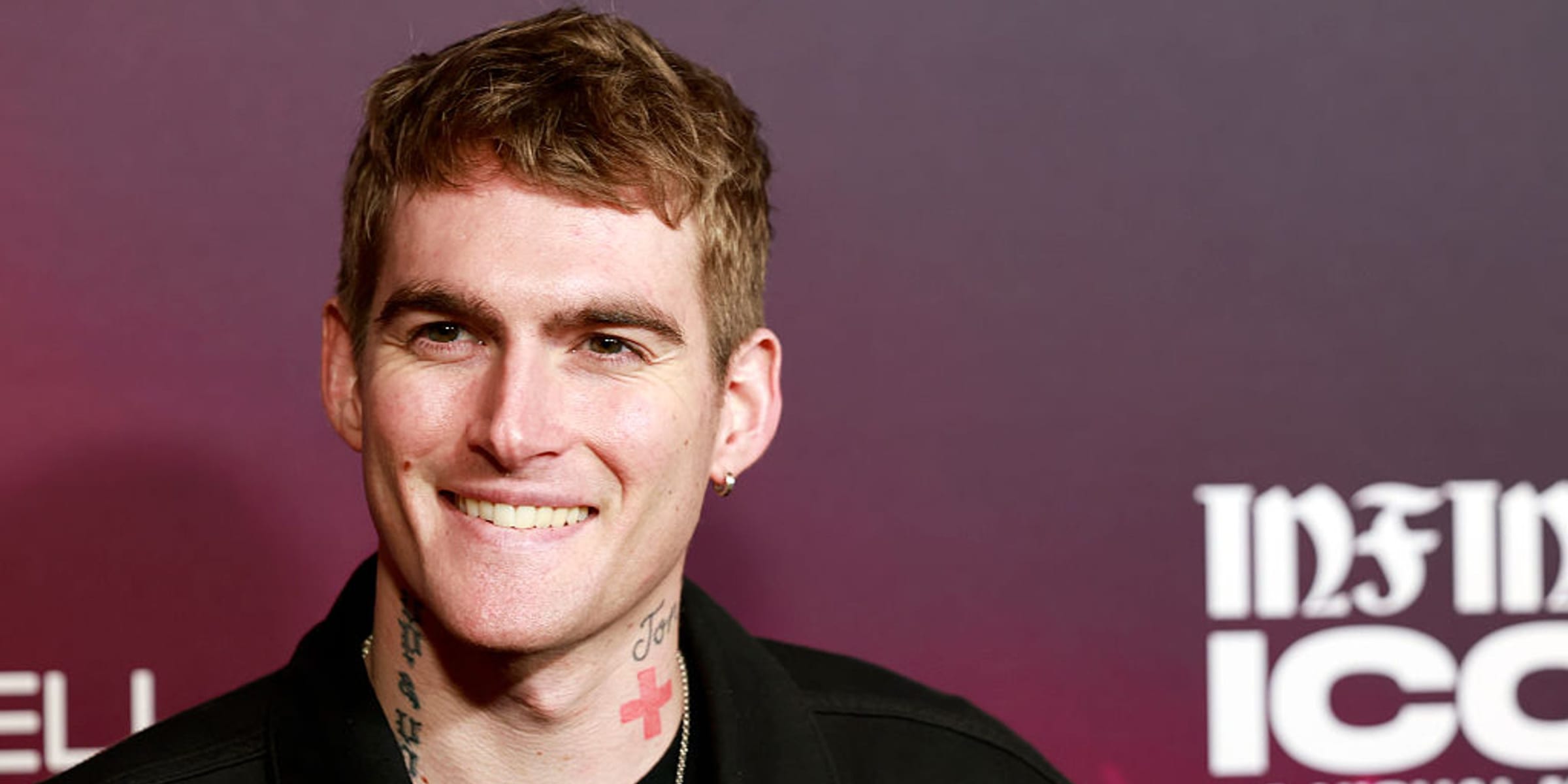
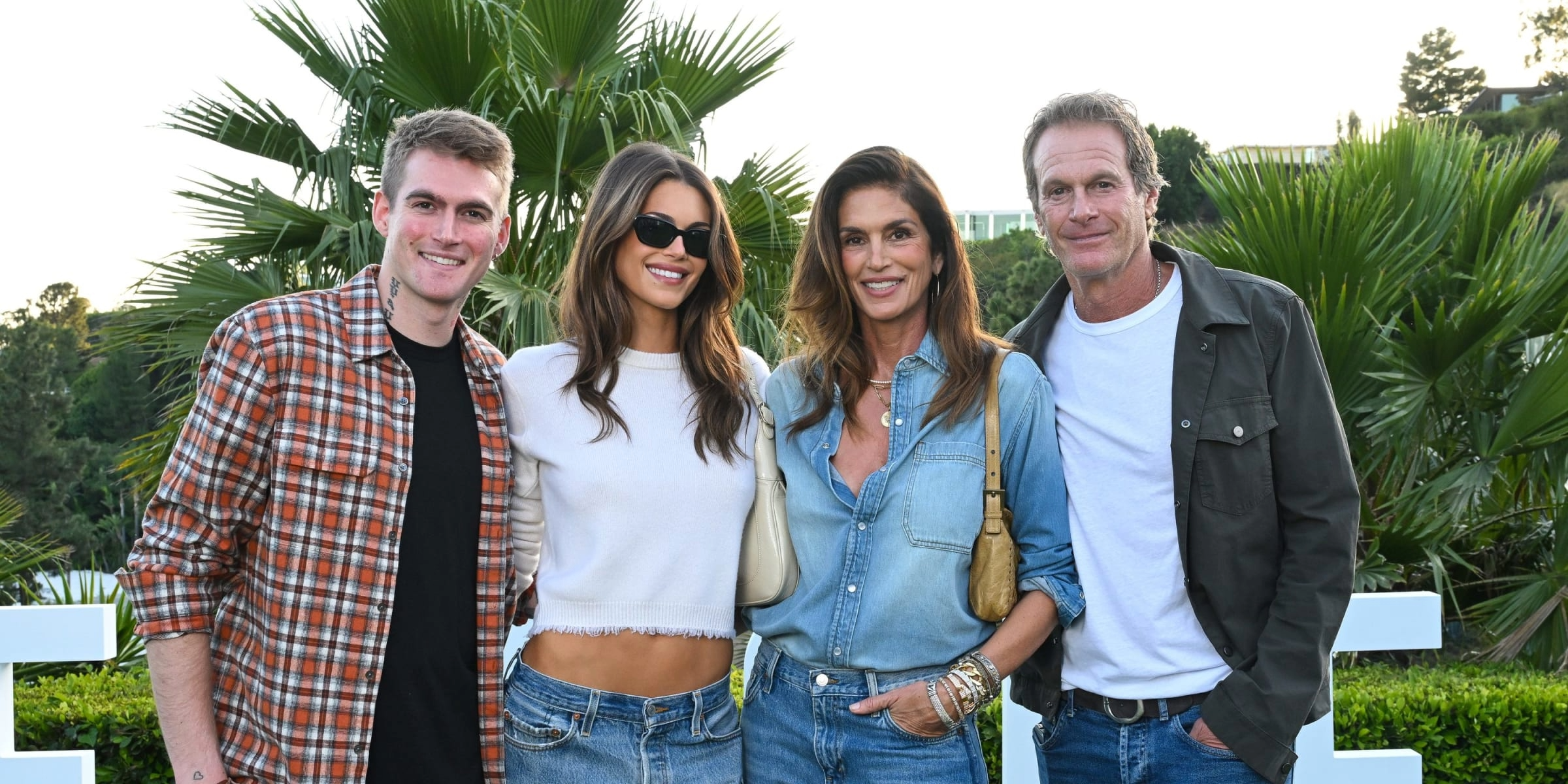
The investigation may eventually provide a clearer medical timeline. For his family, however, Presley’s final morning was only a few hours at the end of years of therapy, treatment, setbacks, conversations, and repeated attempts to start again.
And some of the clearest words he left behind were not about the circumstances of his death. They were about what he hoped to do with the life experiences he had already survived.
Advertisement
The Words He Kept Returning To
Presley never spoke about his struggles as though every bad period belonged safely in the past. His own story included therapy, sobriety, relapse, fear, addiction treatment, and another attempt to recover when previous attempts had not been enough.
He also kept returning to the idea that speaking about it might help somebody else. Rather than hiding the overdose that had left him in a coma, he told people what had happened and what he hoped they might learn from it.
Presley once explained that even helping 1 person would be enough for him. His mistakes were not stories he appeared eager to erase; they became part of what he hoped somebody else might hear before reaching the same point.
Advertisement
Only months before his death, Presley stood with his parents and described what had changed when he stopped hiding from himself. “The most free I felt was when I was finally honest with myself,” he said.
That honesty had taken him through conversations about addiction, depression, medication, fear, treatment, and recovery. It also meant admitting that feeling better did not always mean the struggle was finished.
Even after a near-fatal overdose, another treatment, and more setbacks, Presley was still seeking help during his final night. The young man who had spent years talking publicly about trying again was still doing exactly that when his story came to an end.
Advertisement

The information in this article is not intended or implied to be a substitute for professional medical advice, diagnosis or treatment. All content, including text, and images contained on ondoho.com, or available through ondoho.com is for general information purposes only. ondoho.com does not take responsibility for any action taken as a result of reading this article. Before undertaking any course of treatment please consult with your healthcare provider.