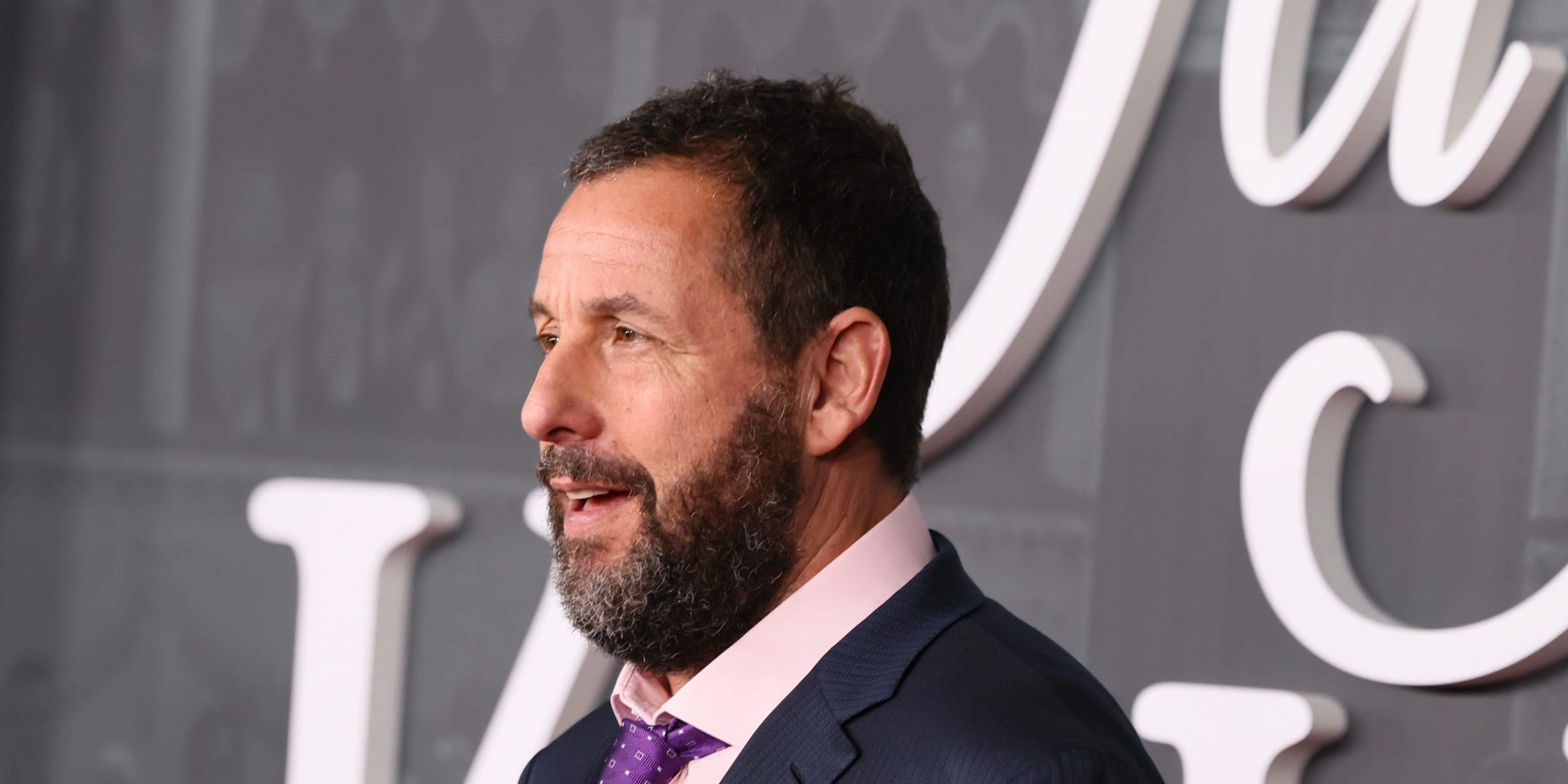

Rob McElhenney | Source: Getty Images
From Fat Mac to 6-Pack Abs: 'It's Always Sunny in Philadelphia' Actor Rob McElhenney Gained 60 Pounds for Comedy Before Getting 'Ripped' – See His Transformation

Aug 14, 2026 - 08:57 A.M.
The actor took his body from one extreme to another, first putting on weight to make his character funnier, then completely changing his physique once more. His dramatic before-and-after photos, waiting at the end of the article, show just how far he went.
Advertisement
"It's Always Sunny in Philadelphia" follows the outrageous exploits of the deeply dysfunctional gang behind Paddy's Pub, including actor Rob McElhenney's character, Ronald "Mac" McDonald.
Over the show's run, Mac's body became part of the comedy itself, most notably when McElhenney deliberately gained 60 pounds because he believed a heavier version of the character would be funnier.
That transformation took place between the comedy's sixth and seventh seasons, when the actor spent seven months gaining weight. He ate four 1,000-calorie meals a day to achieve the look, dramatically changing a character audiences had already come to know.
Years later, however, he took Mac's appearance to the opposite extreme. By June 2018, the extra weight was gone, and in its place was a remarkably lean, muscular physique that quickly had people talking.
His description of the diet and training process, however, made it clear that the transformation involved circumstances far removed from an ordinary fitness routine.
The change became particularly visible during the Los Angeles Pride Parade, where McElhenney appeared on a float alongside "It's Always Sunny in Philadelphia" co-star Danny DeVito.
Advertisement
Instead of resembling the beer-bellied Mac of Season 7, he looked noticeably ripped. His transformation impressed people online and even caught the attention of former Philadelphia Phillies second baseman Chase Utley, one of Mac's favorites on the show.
While gaining 60 pounds had been done with comedy in mind, McElhenney was candid about what motivated him to go in the other direction. "The truth is [that] I have more dedication to the paycheck," he explained.
When discussing how he became so muscular, the actor used humor to address what went into maintaining that appearance. He shared:
"I'm not going to get into the medical science. Let me just tell you something — increased levels of testosterone is just a cross I have to bear."
His description of the diet and training process, however, made it clear that the transformation involved circumstances far removed from an ordinary fitness routine.
McElhenney jokingly began by suggesting that anyone with a nine-to-five job should quit and anyone who enjoyed food should forget about that pleasure. Alcohol was out, too.
The actor said a personal chef prepared plenty of chicken breast while his caloric intake remained controlled. He also described visiting a physician two or three times a week to monitor his testosterone levels and working with "Magic Mike" trainer Arin Babaian.
Advertisement
His schedule included two daily trips to the gym, with muscle-building in the morning followed by cardio in the afternoon. The actor even joked that having a family would complicate the process because there would be little time left for them.
Then came another crucial part of his explanation: someone else footing the considerable bill. "So that's really all you have to do. And make sure you have a studio pay for the entire thing, because it could become exceptionally expensive," he humorously said.
"So, I think if you just do all those things, then you too can have an absolutely unrealistic body type, such as me," McElhenney continued. His comments put the finished physique in context rather than presenting it as an easily replicated result.
The actor also spoke about the expectations surrounding male bodies and revealed that the people most interested in his muscular appearance were not necessarily the people he might have expected. He revealed:
"The people who were most fascinated by my body when I was in great shape were dudes. Women could give two [expletive]."
He added that his wife disliked the look because she believed he was trying too hard, an assessment with which he agreed. For McElhenney, that reaction pointed toward a broader fascination with muscular physiques among men.
Advertisement
"There's this fascination that men want to look like that and men want to be that aesthetically pleasing to other men," he explained, noting that he was referring to straight men as well as gay men. He believed the interest extended beyond sexuality or sex appeal and into established ideas about body image.
The actor also discussed how Hollywood's standards had changed, pointing in particular to the influence of superhero entertainment. He contrasted the increasingly muscular ideal with Brad Pitt's appearance in "Fight Club," which was released in 1999.
"Aesthetically, the superhero stuff hasn't helped. We now have this ideal of being the biggest dude or the most ripped guy in the room," he stated.
Although he described Pitt's "Fight Club" body as one men frequently discussed, he estimated that the actor had weighed around 150 pounds and was defined by lean muscle.
In his view, that same physique might appear relatively slight beside the much larger muscular bodies that later became an onscreen ideal.
After enjoying a vacation, McElhenney maintained that he could make them visible again with three or four months of what he described as "starving" himself.
Advertisement
The drastic change in McElhenney's own appearance inevitably prompted questions from people online, ranging from requests for his methods to speculation about exactly how he achieved the results.
One person directly asked him for answers, commenting, "@robmcelhenney can you please tell me how in the hell you got so ripped.... putting us all to shame after that transformation.. [sic]😱😱😱"
Another person brought a disagreement with their partner straight to McElhenney, typing, "@robmcelhenney my partner said you did steroids. I said you did keto with intermittent fasting. Please tell me I win so I get a prize!"
Others focused more simply on the finished result. One person declared, "Ripped Mac," while another shared, "2 things: 1. hella inspiring. 2. I see this being a move toward the growing action/comedy world. Respect."
Still, not everyone preferred the muscular incarnation. One commenter praised McElhenney while admitting to having a soft spot for his earlier appearance, saying, "You inspired a lot of people you know!, [sic] I liked the character more in season seven 😂❤️."
Maintaining the extremely lean physique indefinitely was another matter. McElhenney later joked that his abs had not disappeared when he relaxed his routine; they had simply become less visible while he enjoyed himself. He joked:
Advertisement
"I'm gonna give you a little lesson in biology — the abs are always there. They're in there. They're just behind a bunch of tacos and tequila."
After enjoying a vacation, McElhenney maintained that he could make them visible again with three or four months of what he described as "starving" himself.
From gaining 60 pounds for a joke to building the muscular physique that became "Ripped Mac," McElhenney's transformations represented two dramatically different physical versions of the same character.
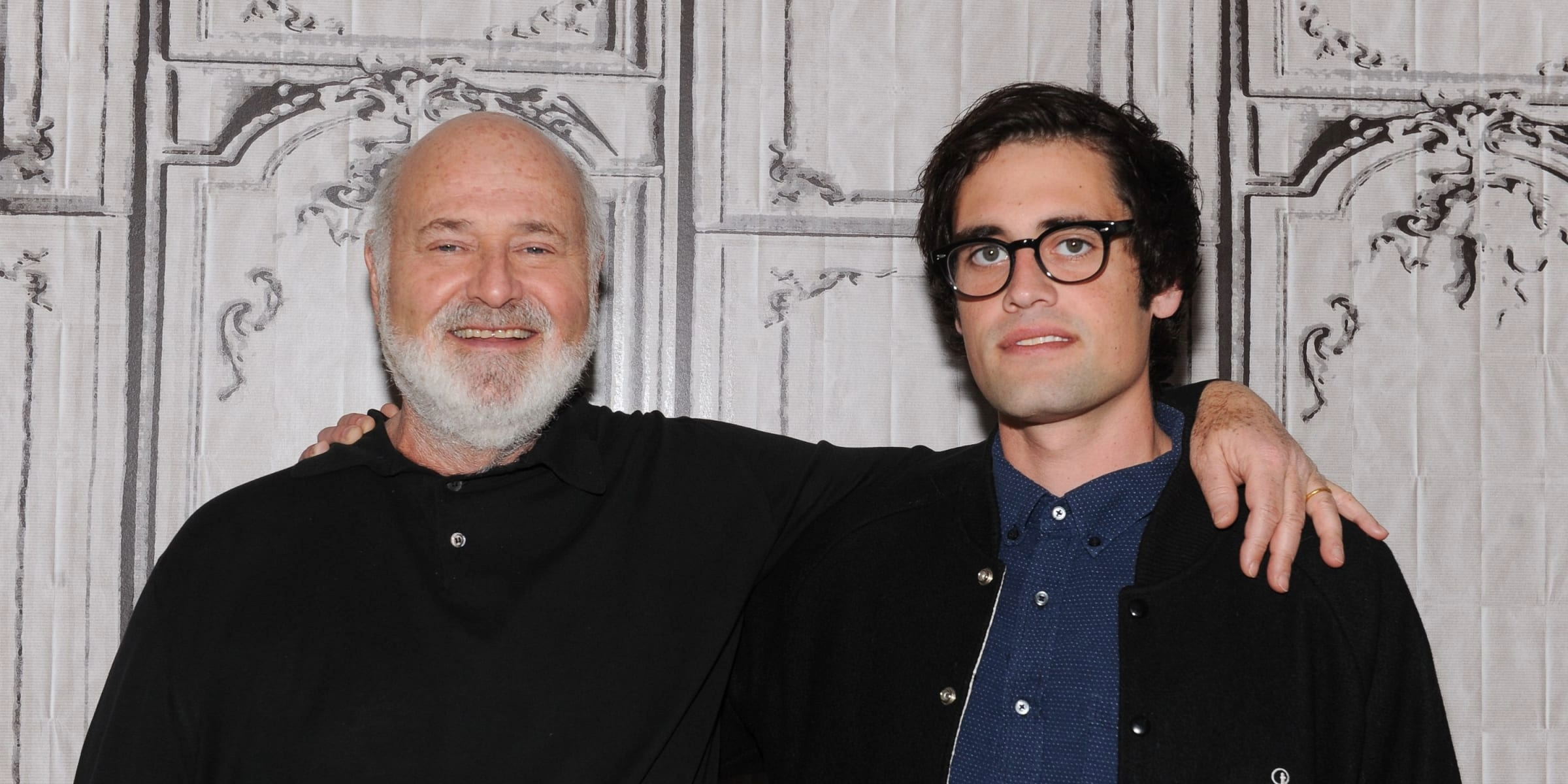
His own account also detailed the time, money, diet, training, and professional support behind the leaner one rather than presenting it as an everyday standard. The photos below document just how dramatically his appearance changed along the way.
Rob McElhenney's Transformation

Advertisement
Advertisement
Advertisement
Advertisement

The information in this article is not intended or implied to be a substitute for professional medical advice, diagnosis or treatment. All content, including text, and images contained on ondoho.com, or available through ondoho.com is for general information purposes only. ondoho.com does not take responsibility for any action taken as a result of reading this article. Before undertaking any course of treatment please consult with your healthcare provider.