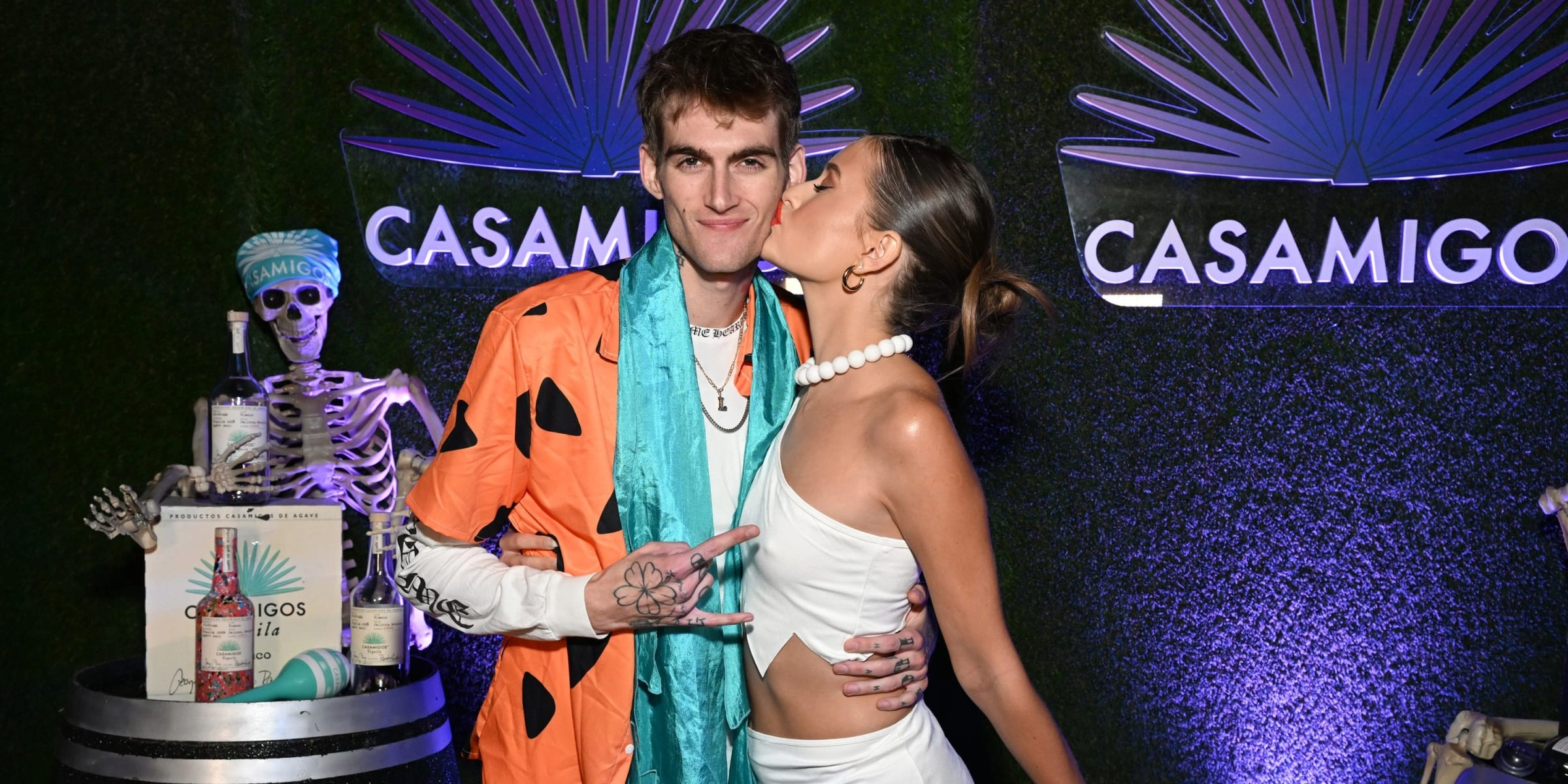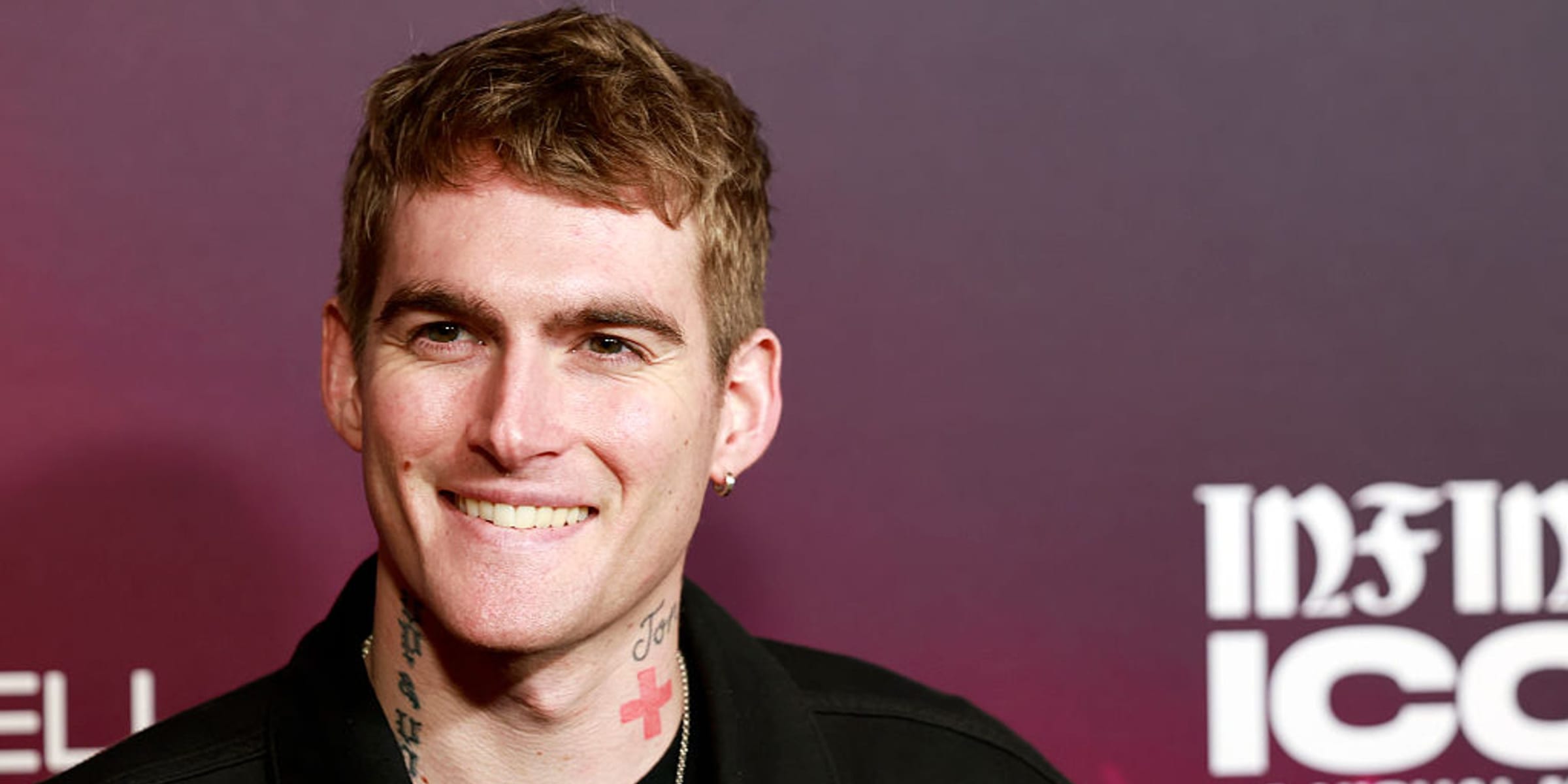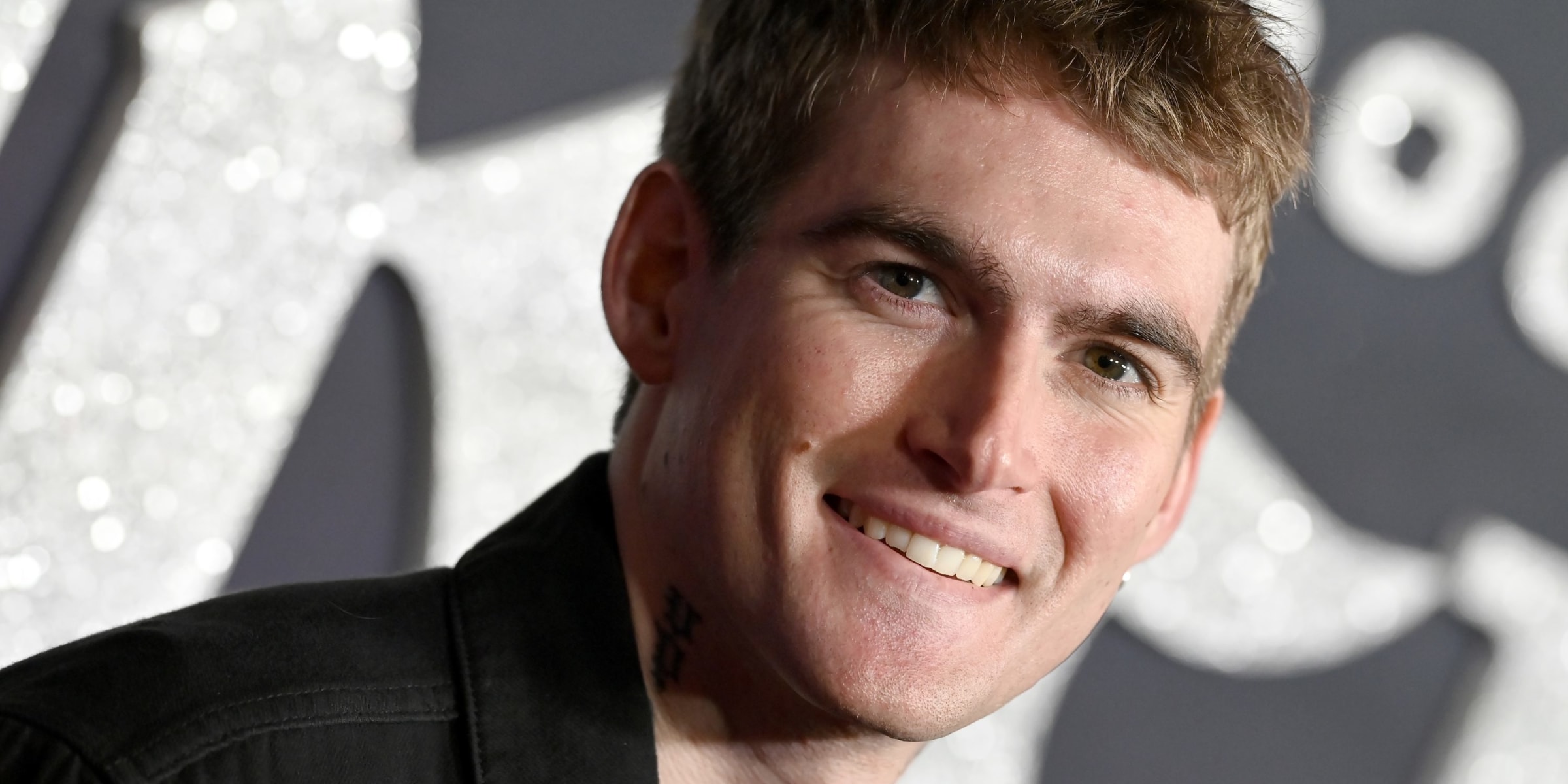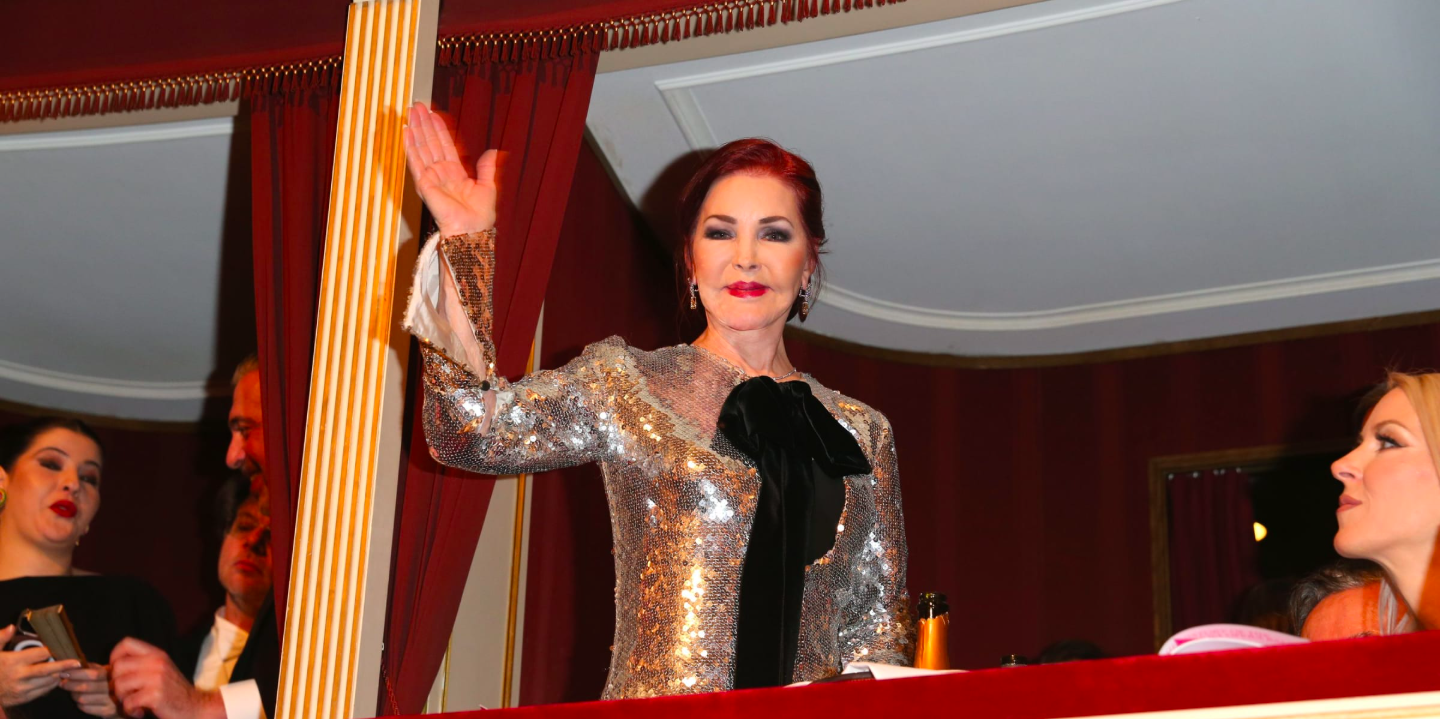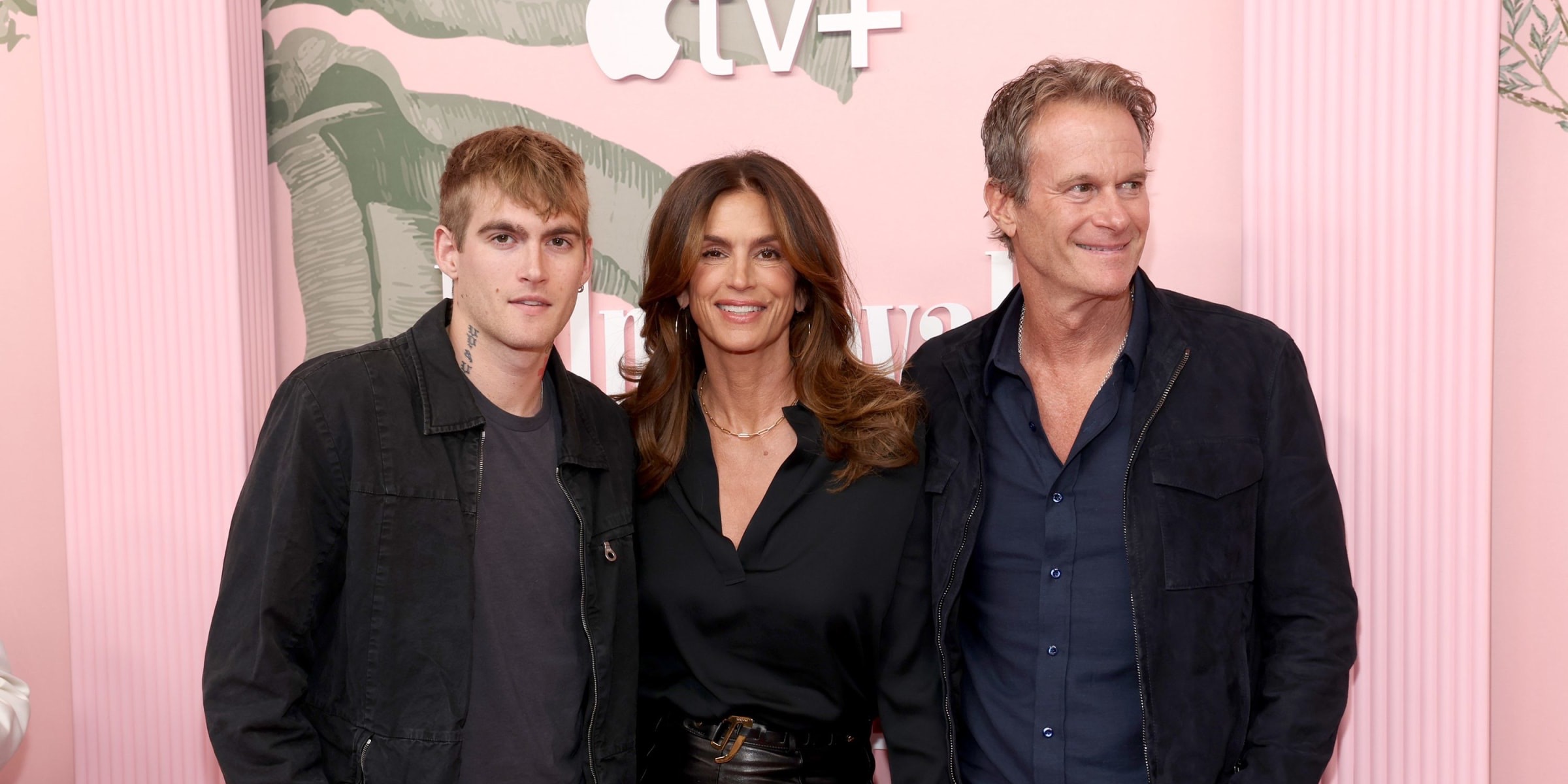

Presley Gerber | Source: Getty Images
Presley Gerber’s Friends Have a Different Theory About His Death — and One Person Is at the Center of It

By
Paula Moskal
Sep 23, 2026 - 12:04 P.M.
Presley Gerber had spent years doing something many people find almost impossible: admitting out loud when he was struggling. In the months before his death, however, some of what he said about getting help sounded less like certainty and more like a young man still desperately trying to find the right answer.
Advertisement
Now, after Presley died at just 27, friends are looking back at those conversations differently. 1 thing he privately opened up about before his death has become part of a much more troubling question — one that has now shifted attention toward the treatment he was receiving.
Behind the model, the famous surname, and the family photographs was also a son who had been unusually honest about the parts of his life that were not going well. Long before his final weekend, Presley had already begun telling people just how complicated his search for help had become.

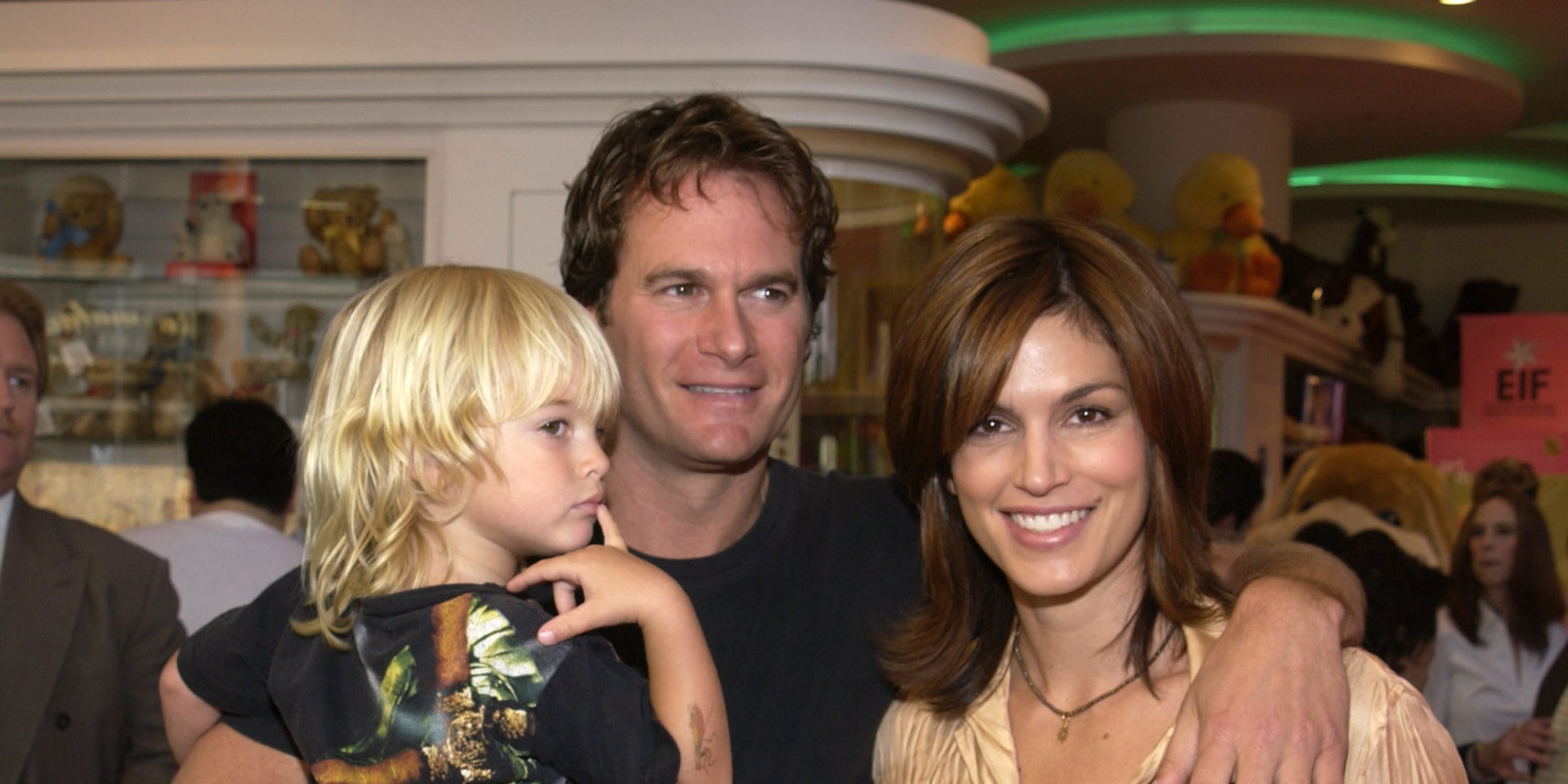
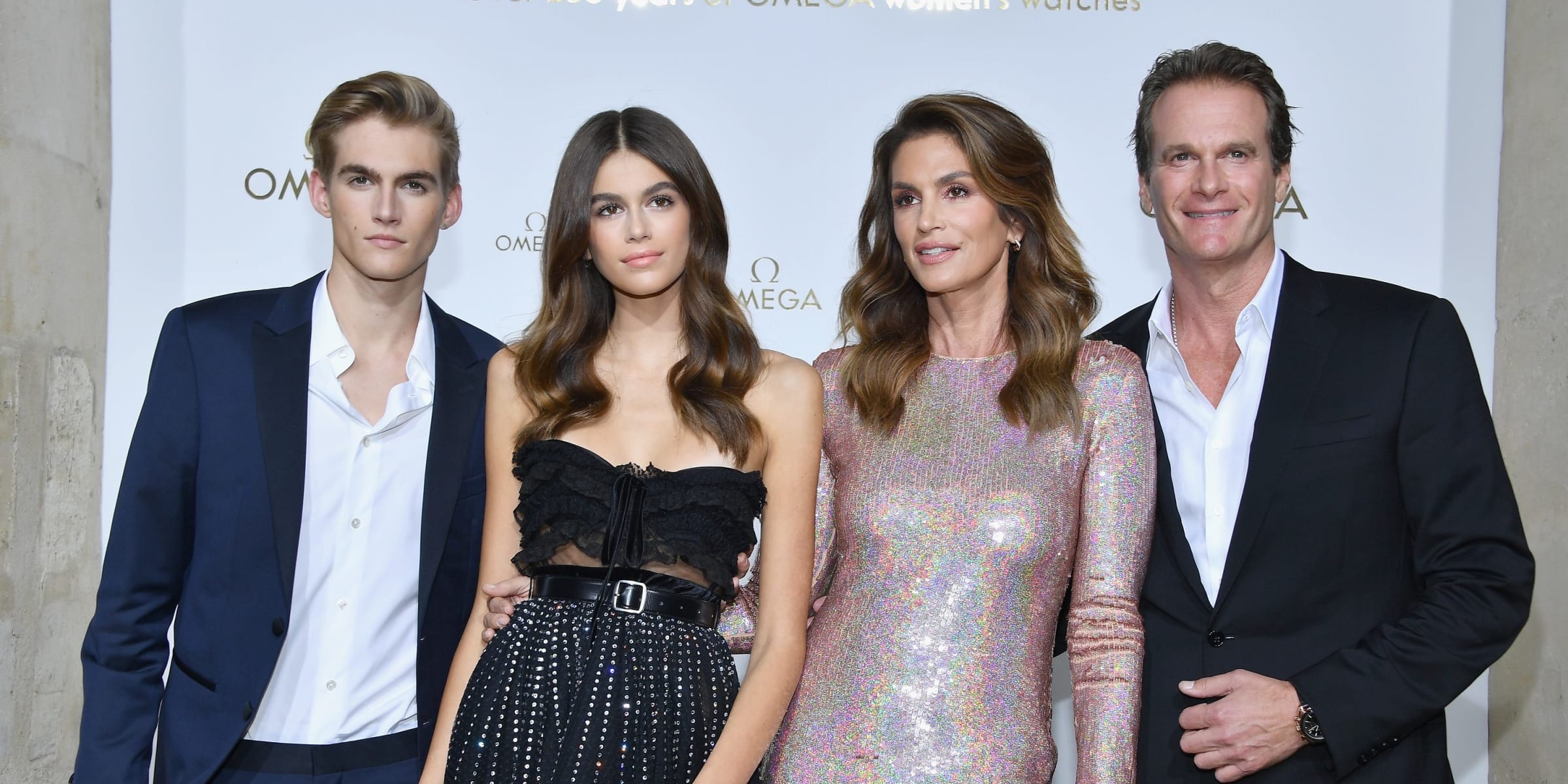
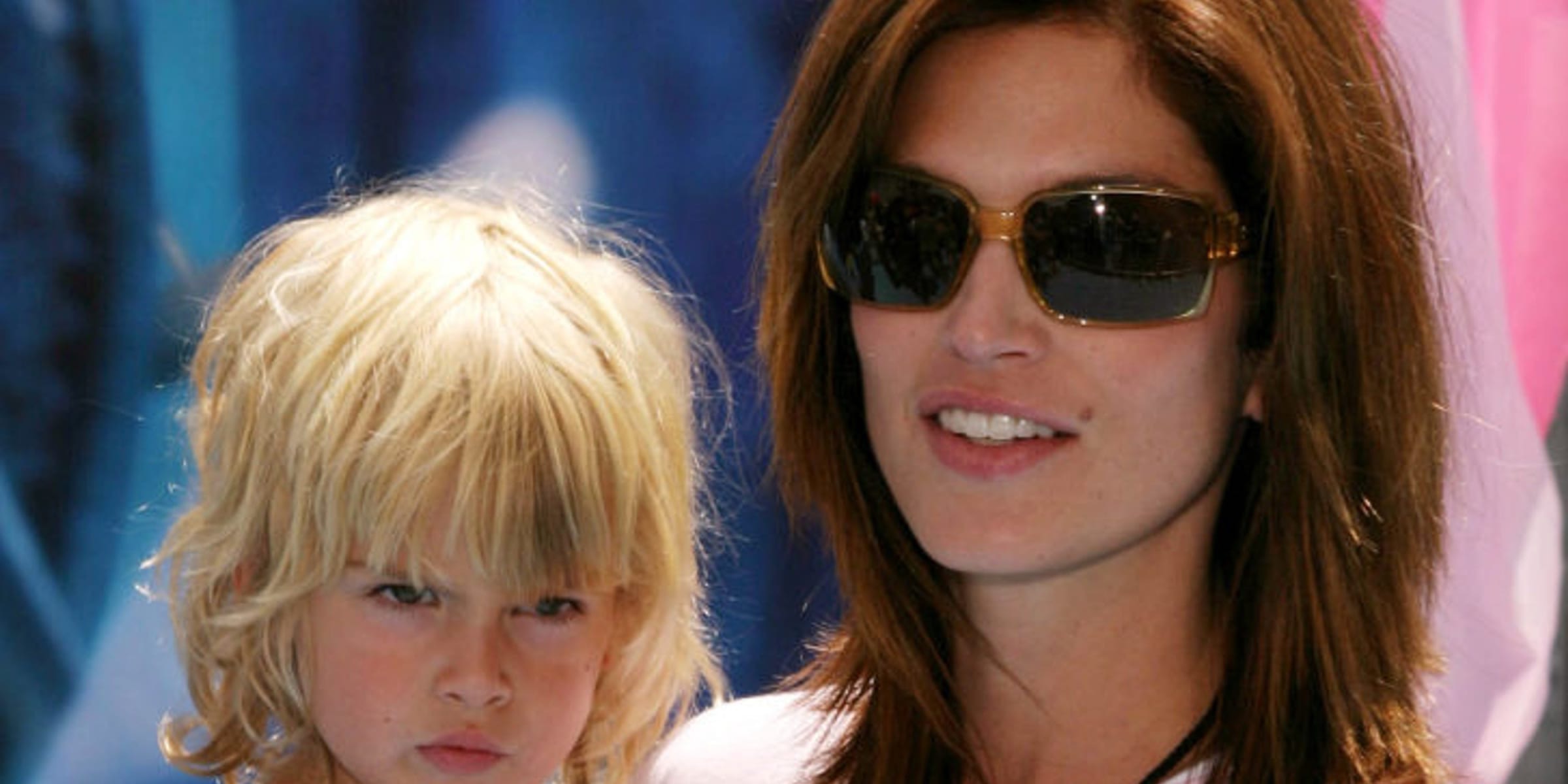
Presley was born in July 1999, a little more than a year after Cindy Crawford and Rande Gerber married in May 1998. He was the couple’s 1st child. | Source: Getty Images
He Was Already Telling People More Than They Knew
Long before investigators were trying to piece together Presley's final hours, he was talking publicly about the things most people hide. As his struggles became more visible, he increasingly stopped pretending that recovery followed a neat, straight line.
Advertisement
In 2023, Presley explained that his own experiences with depression, mental health, and substance use had made him want to help other people. He hoped that talking openly about what he had lived through could reach someone who was struggling in the same way.
That openness eventually became part of the way Presley presented himself to the world. He developed “Mental Health Mondays”, conversations in which he wanted to discuss therapy, treatment, exercise, nutrition, and the “green flags and red flags” people should watch for when seeking help.

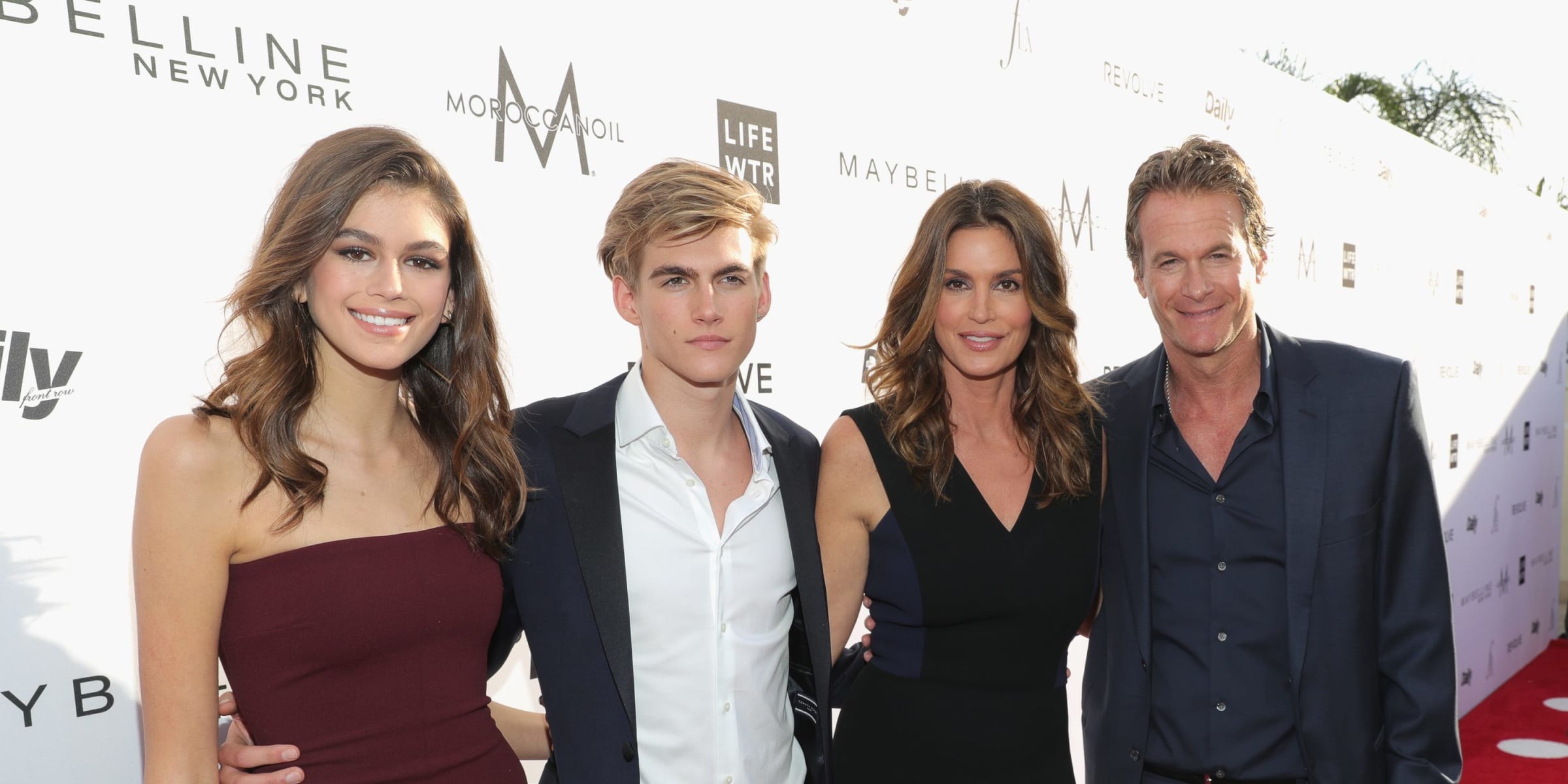
At 18, Presley reached a major career milestone alongside Kaia when the siblings became faces of a global Calvin Klein Jeans advertising campaign. | Source: Getty Images
By November 2025, he acknowledged that even speaking publicly had sometimes become too much. “I had to step back and take care of my own mental health for a bit,” he wrote, while saying he still wanted to “spark real conversations about the stuff most people hide.”
Advertisement
For Cindy Crawford, there was another side to all of this. Presley was a grown man making his own decisions, but to his mother, he was still her son, and his very public efforts to get better were unfolding alongside struggles no parent could simply take away for him.
Presley kept trying anyway. And by the end of 2025, the things he was saying publicly had moved far beyond broad conversations about mental wellness — he began describing exactly how difficult treatment itself had become.

By 2023, modeling was no longer Presley's only professional plan. He said he was also working toward obtaining his real estate license. | Source: Getty Images
The Part He Could Never Quite Make Simple
In an emotional video about his treatment, Presley described a complicated mix of medications, doctors, detox attempts, and treatments that had become part of his life.
Advertisement
He said he had seen around 15 psychiatrists, but hearing so many different opinions had not necessarily made things easier. “All these doctors say a lot of different things, so it’s kind of scary,” Presley admitted.
There was 1 thing he seemed to want from them that sounded painfully simple: a plan. When discussing medication and instructions that could amount to taking something “as needed,” Presley said, “I need some direction.”

As a teenager, Presley said fashion appealed to him partly because it allowed him to travel, meet creative people, and learn more about photography. | Source: Getty Images
The same period showed that Presley was trying to make changes on his own, too. He had spoken about stopping alcohol, exercising, finding healthier influences, and trying to understand how to safely reduce some of the medication he was taking.
Advertisement
“I’m just looking for a doctor that’s going to actually help me taper,” he said. He was not speaking like someone who believed the hardest part was already behind him; he was openly admitting that figuring out his own treatment could leave him frightened.
By early 2026, his search for another way forward was taking him beyond the doctors and medications he had already tried. The next step would take Presley outside the United States.

Presley's teenage 10-year plan once included living in New York and owning his own bar or club, following his father Rande into the hospitality business. | Source: Getty Images
He Hoped This Time Would Be Different
In March 2026, Presley traveled to Mexico for ibogaine treatment as part of his efforts to deal with addiction. Before undergoing what he described as an “ibogaine flood dose,” he wrote that he was “absolutely terrified” and was “praying it’s the last time I have to come back.”
Advertisement
Addiction specialist Dr. Drew Pinsky later raised concerns about that treatment, saying he had seen people turn to ibogaine and ayahuasca for decades. “There’s nothing magic about it, I assure you,” he said, adding that many patients he had treated eventually relapsed.
By then, Presley's search for recovery had already taken him through psychiatrists, prescriptions, detox, alternative treatment, and repeated attempts to find something he could live with long term.

When Presley was younger, he described his ultimate ambition in unusually simple terms: he wanted a job he enjoyed enough that going to work would not feel like work. | Source: Getty Images
Life still carried on around those struggles. There were family outings, modeling events, public appearances, and photographs in which Presley simply looked like a young man spending time beside the people who loved him.
Advertisement
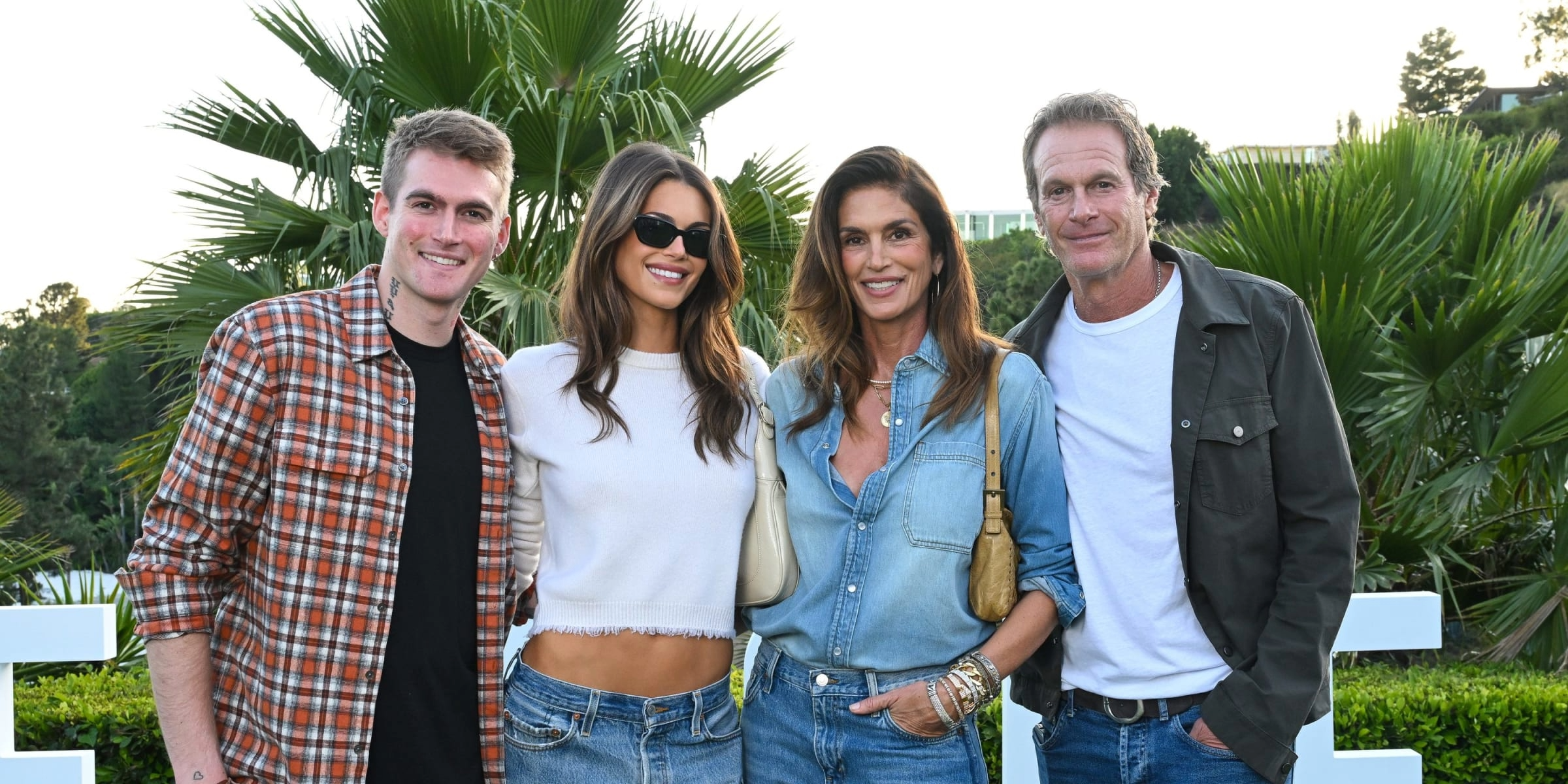
In 1 of his later public appearances, Presley again spoke about honesty and mental health while Cindy and Rande were there with him. His message was simple: move your body, go outside, get some sun, and be honest with yourself about where you are.
Then came a weekend when the family would no longer be waiting for another update about treatment. Instead, they would be waiting for answers about what had happened over the course of a single night.
Advertisement
The Last Night Began With One More Attempt to Get Help
On Saturday night, September 19, Presley checked into a Santa Monica recovery facility. According to people who had contact with him during those final hours, he “did not appear sober” when he arrived seeking treatment for substance-use issues.
The window between Presley's arrival and the emergency response was less than 12 hours. By the following morning, he was found unresponsive, and emergency responders were called to the property.
He was pronounced dead at 9:45 a.m. on September 20, only hours after checking in. The official cause and manner of death remained unresolved while additional testing was carried out.

Only weeks before Presley's death, Kaia described her brother as an “absolute teacher” for choosing to be unusually open about struggles their famously private family once kept away from public view. | Source: Getty Images
Advertisement
The investigation soon moved beyond what happened inside the facility. Authorities were reportedly trying to determinewhether any drugs Presley may have taken had been prescribed or whether they could have come from a dealer or friend.
Police also interviewed people who had been staying at the facility. The emergency response itself included 2 dispatches at around 9:35 a.m., describing an overdose and cardiac arrest, before paramedics pronounced Presley dead minutes later.
For his family, the loss arrived before the explanation. But among some people who had been close to Presley, anger was already beginning to settle on 1 part of the treatment he had been receiving before that final night.

Presley's struggles had drawn public attention years earlier. After a 2019 DUI arrest, he received 3 years of probation, was ordered to complete a DUI program, and received 2 days of community service. | Source: Getty Images
Advertisement
The Question Friends Couldn’t Let Go Of
TMZ reported, citing sources it described as people who had been in regular contact with Presley and had direct knowledge of his situation, that a doctor had been prescribing him ketamine. According to those sources, the physician knew about Presley's addiction history and knew ketamine had previously become a problem for him.
The outlet did not identify the physician. Still, the same sources said Presley's close friends are angry that the unnamed doctor continued prescribing the substance and believe the physician should be prosecuted.
TMZ also reported that Presley had spoken to close friends about his problems with ketamine before his death. That private disclosure is part of why those friends are now looking back so closely at the treatment he was receiving.
Advertisement
The concern did not begin with a substance whose name appeared only after Presley died. Months earlier, he had already publicly described ketamine as part of his own treatment regimen.
That detail came during one of the most revealing discussions Presley ever gave about the medications and therapies he had been trying. And unlike the private conversations now described by his friends, these were Presley's own words, shared publicly while he was still trying to find a treatment plan that worked for him.
By then, he had already spent months telling followers about his efforts to manage addiction and mental health. Ketamine was one part of a much larger treatment picture he had chosen to put into the open.

By 2020, reports said Cindy and Rande were already seeking additional help for their son, years before Presley began discussing the details of his recovery so openly himself. | Source; Getty Images
Advertisement
The Word He Had Already Used Himself
In that December 2025 video, Presley listed some of the different treatments he had undergone. At 1 point, he said, “Ketamine, I do the NAD and ketamine drips…” and explained that he had received the drips in Las Vegas and California, including around periods of detox.
In the same video, Presley described taking Xanax when his panic attacks became “really, really bad.” Ketamine drips were part of a far larger treatment regimen he was trying to manage at the time.
He also referred to gabapentin and other “comfort meds,” alongside opiates, benzodiazepines, antidepressants, and blood-pressure medication. By December, the list of medications and treatments Presley was navigating stretched far beyond a single prescription.
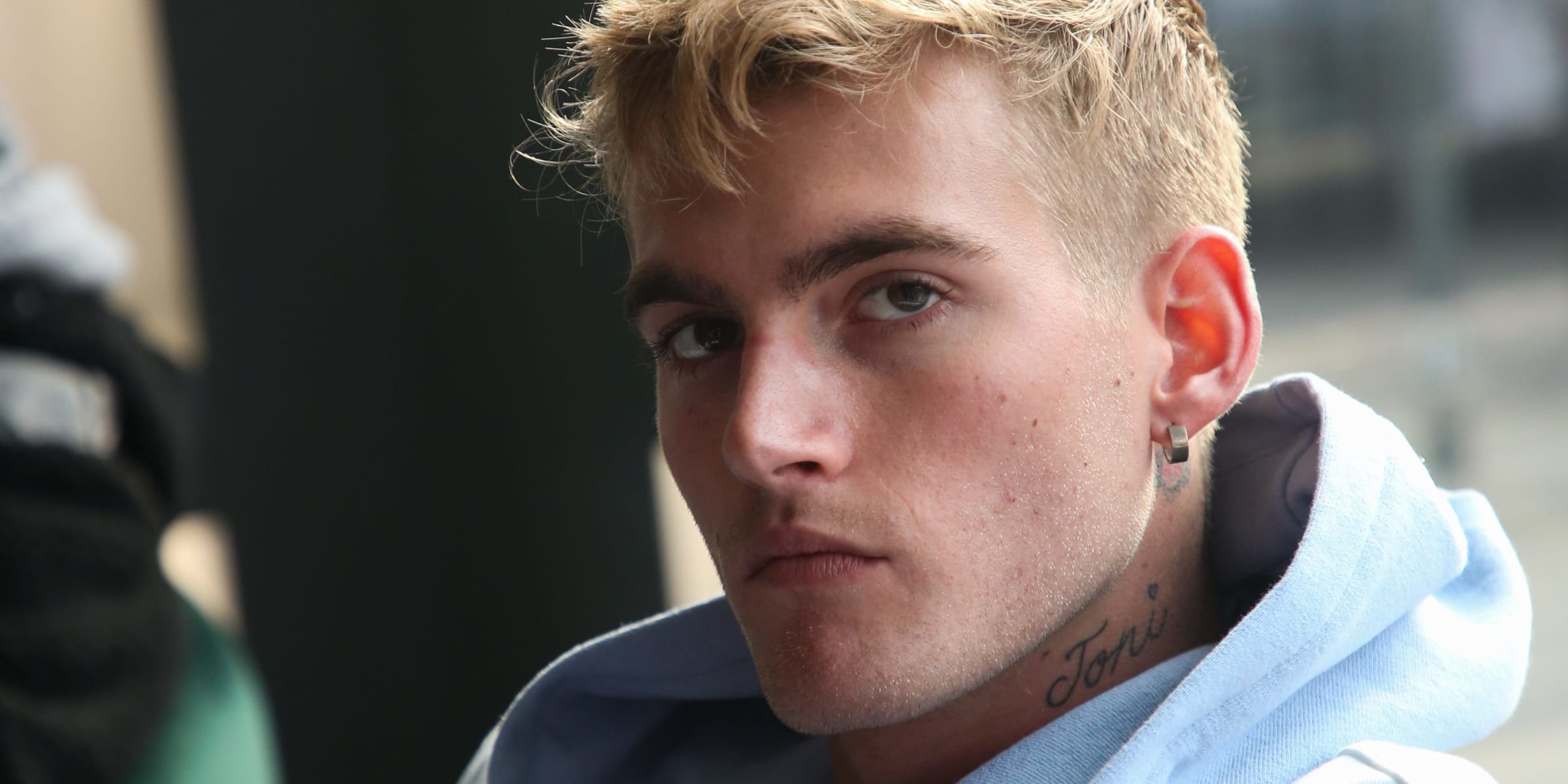
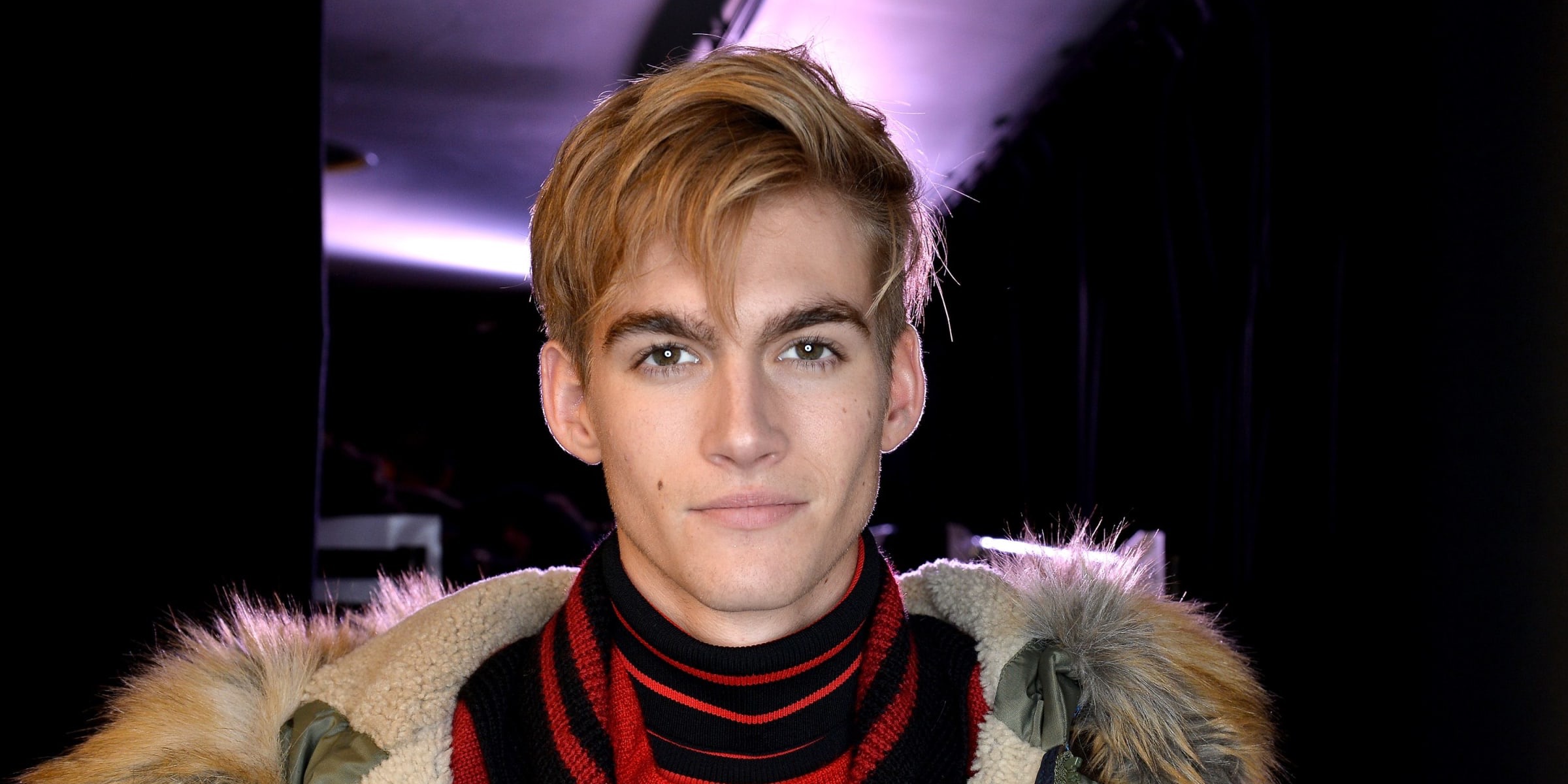

Presley later said he was proud that Mental Health Mondays had grown beyond his original idea and had helped start a wider conversation about openness and healing. | Source: Getty Images
Advertisement
The December video had been recorded months before the events in Santa Monica and already showed how many different medications and treatment approaches had become part of Presley's recovery efforts.
By September, police were asking a different question: where any drugs involved in his final hours had come from. Investigators were looking at prescriptions as well as the possibility that a substance could have come from a dealer or friend.
For Cindy, Rande, and Kaia, none of those questions changes what has already happened. Their representative has asked for privacy during a “very difficult and painful time,” while the investigation into Presley's final hours continues.

Presley made his runway debut at Moschino's Los Angeles show in June 2016, stepping onto the catwalk as a teenager in a vivid orange lace suit. | Source: Getty Images
Advertisement
One Piece of the Story Is Still Missing
Presley's autopsy has been completed, and the official cause and manner of death were deferred while additional testing continues. Police are investigating the case as a suspected overdose.
Police are also tracing the source of any drugs involved in his final hours, including whether they came from a prescription, dealer, or friend. That investigation is unfolding separately from the accusation Presley's friends have made about the unnamed doctor cited in TMZ's report.
What Presley did leave behind was an unusually candid record of how hard he had been trying to navigate recovery. He talked about fear, conflicting medical opinions, needing direction, giving up alcohol, trying different treatments, and wanting his own mistakes to help someone else avoid the same pain.

Presley's autopsy was performed on September 21, the day after his death, as the Medical Examiner began the process of determining his official cause and manner of death. | Source: Getty Images
Advertisement
For now, the people who loved Presley are left with a question that goes beyond simply naming a substance. They want to know who understood how vulnerable he was, what the people involved in his treatment knew about his history, and whether a different decision could have changed anything.
For his mother, father, sister, and friends, Presley's own words now sit at the center of the story. He had spent his final years openly telling people he was trying to get better — and asking for direction while he did it.
Advertisement

The information in this article is not intended or implied to be a substitute for professional medical advice, diagnosis or treatment. All content, including text, and images contained on ondoho.com, or available through ondoho.com is for general information purposes only. ondoho.com does not take responsibility for any action taken as a result of reading this article. Before undertaking any course of treatment please consult with your healthcare provider.